







Why September is a Gardener's Best Friend
Across most of India, September marks a welcome transition. The intense heat of summer and the relentless downpours of monsoon give way to cooler temperatures, ample but gentler sunlight, and soil that retains moisture without being waterlogged. This
environment is less stressful for plants, encouraging robust root growth and reducing the risk of fungal diseases that often plague gardens during the wet season. It's the ideal time to clear out any monsoon-weary plants and prepare your pots for a vibrant cool-season harvest that will last through winter.
Winter Flowers to Sow Now
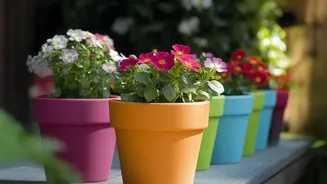
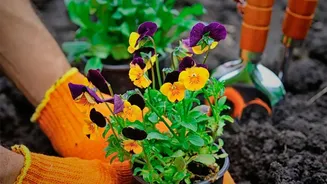
To ensure a balcony bursting with colour in the coming months, September is the perfect time to sow winter flower seeds. Many varieties planted now will establish strong roots before winter and reward you with beautiful blooms. Consider planting Marigolds (Genda), which are hardy, pest-repellent, and a festive favourite. Petunias are another excellent choice, especially for hanging baskets where their profuse blooms can cascade beautifully. Other great options to plant from seed or sapling include the cheerful Pansy, medicinal Calendula, and fragrant Sweet Pea, which will need a small trellis or support to climb.
An Edible Balcony Harvest
The cooler, milder weather is perfect for growing a variety of herbs and vegetables. Leafy greens, which tend to struggle in extreme heat, thrive when planted in September. Spinach (Palak) is one of the easiest to grow in pots and can be ready for its first harvest in just over a month. Coriander (Dhaniya) also prefers the milder climate of autumn. This is also an excellent time to sow seeds for carrots, radishes, beetroot, and various types of lettuce. For those with slightly larger containers and good sunlight, you can also start plants like tomatoes, chillies, and brinjal for a winter-long supply.
Essential Care for the Seasonal Shift
Transitioning your garden from monsoon to autumn requires a few key adjustments. Start by cleaning up your space, removing any dead leaves or debris to prevent pests and fungal growth. The soil in your pots is likely compacted and stripped of nutrients after heavy rains. Gently loosen the topsoil with a small fork and enrich it by mixing in compost or vermicompost. This is also a good time to check if any plants have outgrown their pots and need to be moved to a larger container. As the rains subside, your watering schedule will need to change. Instead of relying on the rain, check the soil every day or two; water only when the top inch feels dry to the touch.
Smart Solutions for Small Spaces
A small balcony doesn't have to limit your gardening ambitions. The key is to think vertically and use your space efficiently. Railing planters are perfect for colourful flowers or trailing plants that won't take up floor space. Vertical wall planters or tiered stands can help you grow a variety of herbs and leafy greens in a compact footprint. Climbing plants like Morning Glory or Sweet Pea can be trained up a simple trellis, adding vertical interest and a lush, green backdrop. By choosing the right plants and planters, you can transform even a modest space into a productive and beautiful green oasis.