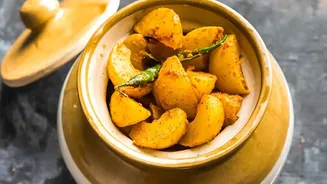



For generations, the Indian dining table has been incomplete without a sliver of achar. But lately, the contents of that pickle jar are changing, telling a delicious story of a more connected and curious national food culture.
The Pickle Jar’s New Map
For most, the word 'pickle'
conjures up the familiar taste of aam ka achaar or perhaps a tangy nimbu variant. These staples, long preserved in countless family martabans, have been the undisputed kings of condiments. Yet, a quiet but flavourful revolution is taking place. Unique, region-specific pickles, once the cherished secrets of local communities, are now finding their way into kitchens and onto dinner plates across the country. Fiery, pungent, sour, and sweet tastes from West Bengal, Andhra Pradesh, Rajasthan, and beyond are becoming part of the mainstream culinary conversation. This isn't just about new flavours; it's a reflection of a deeper integration of India's diverse food traditions, where a taste of another state is no longer a novelty but a part of the daily meal.
A Tale of Two Pickles
Consider two prime examples of this trend: Bengal's Kasundi and Andhra's Gongura pachadi. Kasundi, often called the Indian wasabi for its sharp pungency, is a fermented mustard sauce that was historically a well-kept secret of Bengali kitchens. Its preparation was once governed by strict rituals and caste rules, reserved for elite households. Today, bottled kasundi is not only ubiquitous in Bengal but is also used by chefs and home cooks nationwide as a dip for fried snacks or a bold sandwich spread. Similarly, Gongura pickle, made from the distinctively sour sorrel leaves native to Andhra and Telangana, was a taste of home primarily for Telugu people. The leaves are delicate and don't travel well fresh, which made the pickle the main way for its flavour to journey outside the region. Now, its unique tang is sought after across India, adding a sour kick to everything from dal to marinades.
Drivers of a Delicious Trend
Several factors are stirring this melting pot. Increased internal migration for work and education has meant that people carry their culinary traditions with them, introducing new colleagues and friends to their native flavours. This organic sharing is amplified exponentially by social media. Food bloggers and Instagram influencers have become powerful champions for regional cuisines, showcasing lesser-known dishes and ingredients to a vast, curious audience. Viral reels and visually appealing posts have the power to make a regional specialty, like Rajasthan's Ker-Sangri pickle or a Kumaoni potato dish, a national topic of interest overnight. This digital exposure has also fuelled a commercial boom. A growing market of artisanal and boutique brands now makes authentic, high-quality regional pickles accessible to anyone with an internet connection, bridging the gap between curiosity and consumption.
Old Methods, New Appeal
The appeal of these traditional pickling methods goes beyond just flavour. In an age of mass-produced foods, there's a growing appreciation for the science and health benefits of age-old preservation techniques. Many traditional Indian pickles rely on natural fermentation and sun drying processes that create probiotics beneficial for gut health. Unlike pickles made with synthetic vinegar these naturally fermented foods can aid digestion and increase the bioavailability of nutrients. The spices used—like turmeric fenugreek and mustard seeds—are also known for their medicinal properties from anti inflammatory benefits to helping regulate blood sugar. As consumers become more health conscious these 'living' foods offer a compelling alternative to factory made condiments providing complex flavours rooted in wellness traditions.