
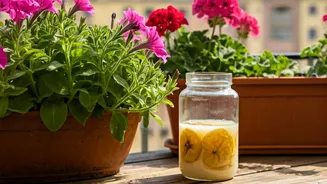


The Viral Garden Hack Explained
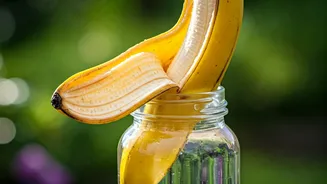
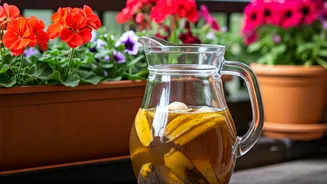
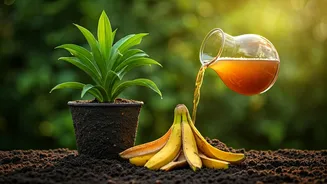
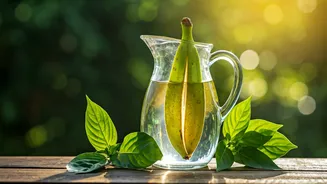
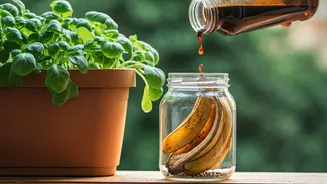
The idea is simple and appealing. Instead of tossing your banana peels, you chop them up, soak them in a jar of water for a few days to a week, and then use this homemade “liquid fertilizer” to water your houseplants and garden. Proponents on social media
and gardening forums swear by it, posting before-and-after photos of vibrant blooms and flourishing foliage. The appeal is obvious: it’s organic, free, and reduces kitchen waste. It feels like a clever, eco-friendly trick that connects our kitchens to our gardens. This method, often called “banana tea,” has become one of the most popular DIY garden solutions, but its rapid rise has also left many gardeners wondering about the science behind the soak.
What’s Really in a Banana Peel?
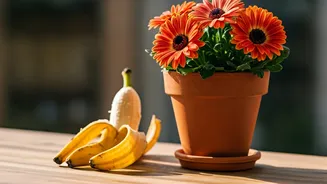
To understand if this works, we need to look at what’s actually in a banana peel. Peels are a significant source of potassium, a crucial macronutrient for plants. Potassium helps regulate water uptake, strengthens cell walls, and plays a vital role in flowering and fruiting. This is why the claims often focus on “massive flower growth.” Banana peels also contain smaller amounts of calcium, magnesium, and manganese. However, what they lack is just as important. They contain very little nitrogen (essential for leafy green growth) and phosphorus (critical for root development and energy transfer). A fertilizer needs a balance of all three—Nitrogen (N), Phosphorus (P), and Potassium (K)—to be considered “complete.” While the potassium in a peel is real, it’s only one piece of the plant nutrition puzzle.
Does It Actually Work?
Here’s the nuanced answer: yes, but not in the way the hype suggests. Soaking banana peels in water does leach some potassium into the liquid. When you water your plants with this “tea,” you are giving them a small, gentle dose of this nutrient. For flowering and fruiting plants like roses, tomatoes, or hibiscus that have high potassium needs, this can be a beneficial supplement. It can encourage stronger stems and more robust blooms. However, the claim of “massive” growth is an overstatement. The amount of potassium that transfers into the water is relatively low, and it certainly won't fix a nutrient-deficient plant or act as a substitute for a balanced fertilizer. Think of it as a vitamin-infused water for your plants, not a full meal. The most dramatic results seen online are likely due to other factors like good soil, proper watering, and adequate sunlight.
How to Make Banana Peel Tea
If you want to try it as a supplemental nutrient boost, here’s the best way to do it. For best results, use peels from organic bananas to avoid steeping pesticides into your plant water. 1. **Collect and Chop:** Take the peels from one or two bananas and chop them into small, one-inch pieces. Chopping increases the surface area, allowing more nutrients to leach into the water. 2. **Soak:** Place the chopped peels in a large jar and fill it with water, leaving an inch of space at the top. Seal the jar and leave it in a cool, dark place for three to seven days. The water will turn cloudy or brownish. 3. **Strain and Dilute:** After a week, strain the liquid to remove the solid peel pieces (these can be added to your compost pile). Dilute the resulting “tea” with an equal amount of fresh water to make it go further and ensure it’s not too concentrated in any one spot. 4. **Water Your Plants:** Use the diluted mixture to water your plants at the base, as you would with a normal watering. Apply it once every two to four weeks during the growing season.
Best Practices and What to Avoid
To get the most out of your banana tea, use it as a supplement, not a primary fertilizer. It’s best for established plants that are about to flower or are actively fruiting. Be mindful not to let the soaking mixture sit for too long (more than a week), as it can start to ferment unpleasantly and attract fruit flies or develop mold. Never leave the soggy peel pieces on the surface of your soil, as this can attract pests like fungus gnats and may lead to rot. The most effective way to use banana peels in your garden is actually to chop them up and add them directly to your compost bin. The composting process breaks them down completely, making all their nutrients fully available in a rich, balanced soil amendment.