





The shift from monsoon humidity to the crisp, dry winds of autumn can be a shock to your hair. That sudden drop in air moisture is often the culprit behind unexpected frizz, dullness, and breakage. The solution is simpler than you think.
Why Your Hair Hates Post-Monsoon Winds
After months of
dealing with high humidity, your hair has to suddenly adjust to a much drier environment. Dry air, especially when propelled by wind, actively pulls moisture from your hair strands. This process lifts the hair's outer layer, known as the cuticle, causing it to feel rough and look frizzy. Hair that is already dry, colour-treated, or porous is particularly vulnerable, becoming brittle and prone to tangles and breakage in these conditions. The constant whipping motion from wind can also create knots and roughen the hair surface, leading to split ends.
Your Non-Negotiable Hero: The Leave-In Conditioner
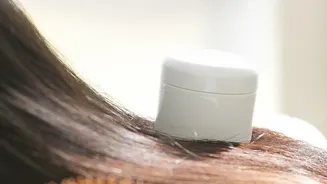
While your in-shower conditioner provides a quick moisture boost, a leave-in conditioner is designed to stay on the hair, offering a continuous shield of protection and hydration. Think of it as a moisturiser for your hair that works all day. It smooths the hair cuticle, which not only adds shine and reduces frizz but also makes detangling much easier, preventing the mechanical damage that comes from wrestling with knots. In the face of dry post-monsoon winds, a good leave-in is essential for maintaining your hair's moisture balance.
Choose Your Fighter: Cream, Spray, or Lotion
Not all leave-in conditioners are created equal, and choosing the right format for your hair type is crucial. Sprays are the most lightweight and are ideal for fine hair that gets easily weighed down. They provide a light mist of hydration without sacrificing volume. Lotions and milks offer a bit more substance and are great for wavy or medium-textured hair. Creams are the richest option, perfect for thick, curly, coily, or very dry hair that needs intense, lasting moisture to define its texture and fight off dryness.
Switch Up Your Ingredients for Dry Weather
As the weather changes, so should your product's ingredient list. For dry winds, look for formulas rich in humectants, which attract moisture, and emollients, which seal it in. Key ingredients to look for include glycerin, hyaluronic acid, and panthenol for hydration. Nourishing ingredients like shea butter, argan oil, jojoba oil, and amino acids are excellent for softening strands and providing a protective barrier. If your hair is on the finer side or has low porosity (meaning it resists absorbing moisture), stick to lighter, water_based products. If your hair is porous and loses moisture quickly, richer creams with butters and oils will be more effective.
Application Is Everything: Get It Right
How you apply your leave_in conditioner matters just as much as the product itself. For best results, apply it to clean, damp hair that has been gently towel_dried until it's no longer dripping wet. Applying it to soaking wet hair can dilute the product, while applying to dry hair can make distribution uneven. Warm the product between your palms and focus the application on the mid_lengths and ends, as these are the oldest and driest parts of your hair. Avoid the scalp to prevent greasy roots and product buildup. Use a wide_tooth comb to gently distribute the product evenly from the ends upwards, which also helps with detangling.
The Pro_Tip: Sealing in the Moisture
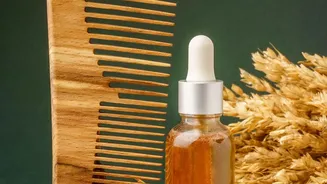
For those with especially dry, porous, or curly hair, consider layering a lightweight hair oil or serum over your leave_in conditioner. This technique, often part of the LOC (Liquid,' Oil,' Cream) method,' uses the oil to seal the cuticle and lock in the hydration provided by the water_based leave_in. Just a few drops of a quality hair oil,' pressed over the ends after your leave_in has been applied,' can make a significant difference in preventing moisture from escaping into the dry air throughout the day.' This final step provides an extra layer of defence against frizz and keeps hair feeling softer for longer.