





Stay Updated with Official Alerts
The first step to staying safe is staying informed. The India Meteorological Department (IMD) is the official source for weather warnings, including forecasts for heavy rainfall, thunderstorms, and strong winds. You can follow their updates through their website,
social media channels, or local news broadcasts. For disaster-specific information, the National Disaster Management Authority (NDMA) provides crucial guidelines and alerts. Several mobile apps like 'Damini' for lightning alerts and 'Sachet' for general disaster warnings are also recommended by government bodies to provide timely, location-specific information. Keeping these channels handy will ensure you receive the latest advisories, from warnings about very heavy rainfall in states like Uttar Pradesh and Bihar to alerts about potential landslides in hilly regions.
Plan Your Routes and Travel
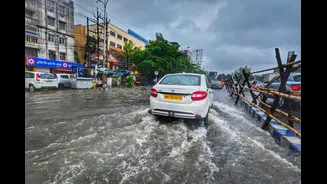
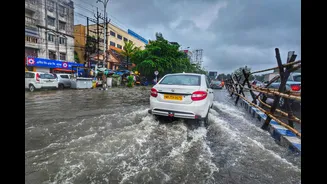
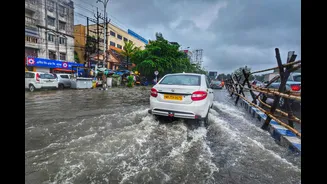
Travel during heavy rains requires extra caution. Waterlogging is a major problem in many cities, turning routine commutes into hazardous journeys. Before heading out, check for traffic updates and information on flooded routes. Navigation apps like Google Maps and Mappls allow users to report and view incidents like waterlogging, accidents, and road closures, which can be invaluable for planning a safer route. If you must travel, drive slowly, keep your headlights on for visibility, and maintain a safe distance from other vehicles. The NDMA strongly advises against driving through flooded areas, as just half a meter of water can be enough to carry a car away. It's also dangerous to wade through floodwaters, which can hide open manholes, debris, or carry electrical currents from fallen wires. If possible, avoid non-essential travel altogether.
Stock Your Home with Essentials
Power cuts are common during heavy storms, so having an emergency kit at home is crucial. Start with a good flashlight or headlamp with extra batteries. Keep your mobile phones and power banks fully charged. Stock up on enough drinking water and non-perishable food items like biscuits, granola bars, and nuts to last a couple of days. A first-aid kit with basic medicines, bandages, and antiseptic is another must-have. To prevent water from entering your home, check for leaks in roofs and windows, and ensure drainage pipes around your building are clear. It's also wise to have mosquito repellent on hand, as stagnant water becomes a breeding ground for mosquitoes, increasing the risk of diseases.
Prioritise Electrical and Health Safety
Water and electricity are a deadly combination. The NDMA recommends unplugging all non-essential electrical appliances during a storm to protect them from power surges and prevent accidents. Never touch switches or appliances with wet hands. If you notice fallen power lines, stay far away and report them to the local electricity board immediately. Health-wise, the monsoon season brings a higher risk of water-borne diseases. To protect your family, always drink boiled or filtered water. Avoid consuming street food, as it can be easily contaminated. Maintaining good hygiene by washing hands frequently can also prevent the spread of germs that thrive in the damp weather. If you or a family member feels unwell, especially with fever or stomach issues, it's best to consult a doctor.
Prepare Your Vehicle for the Rain
If you rely on a car or two-wheeler for transport, a few checks can prevent a breakdown in the middle of a downpour. Ensure your tyres have good tread to maintain grip on slippery roads. Check that your headlights, taillights, and indicators are all working correctly for maximum visibility. Wiper blades are often overlooked but are essential for a clear view; replace them if they are worn out and leave streaks. It's also a good practice to keep an umbrella, a sturdy raincoat, and waterproof footwear in your vehicle. A waterproof bag for your phone and wallet is also a smart addition. Having these items ready can make a significant difference if you are caught in an unexpected and intense spell of rain while on the road.