
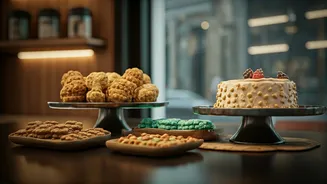


The Rise of Permissible Indulgence
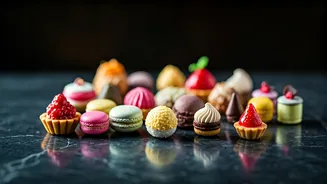
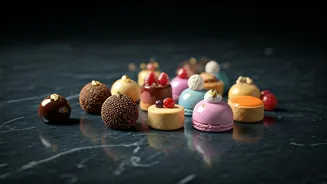
Walk into a chic bakery or coffee shop in any major U.S. city today, and you’ll see it. Next to the hefty croissants and formidable cake slices sits an array of jewel-like creations: tiny tarts, petite cheesecakes, single-serving pots de crème, and, of course,
the ever-present macaron. This isn't just about shrinking desserts; it’s a fundamental shift in how we approach indulgence. The movement towards single-bite sweets offers a psychological loophole, a form of “permissible indulgence” that neatly sidesteps the guilt often associated with dessert. In an era dominated by wellness culture, where mindful eating is the goal, these miniature marvels provide a perfect compromise. They allow for the full sensory experience of a high-quality sweet—the flavor, the texture, the artistry—without the feeling of overdoing it. It’s the dessert equivalent of having your cake and eating it too, because the portion is just small enough to feel like a tasting rather than a transgression.
A Dessert Made for the Camera
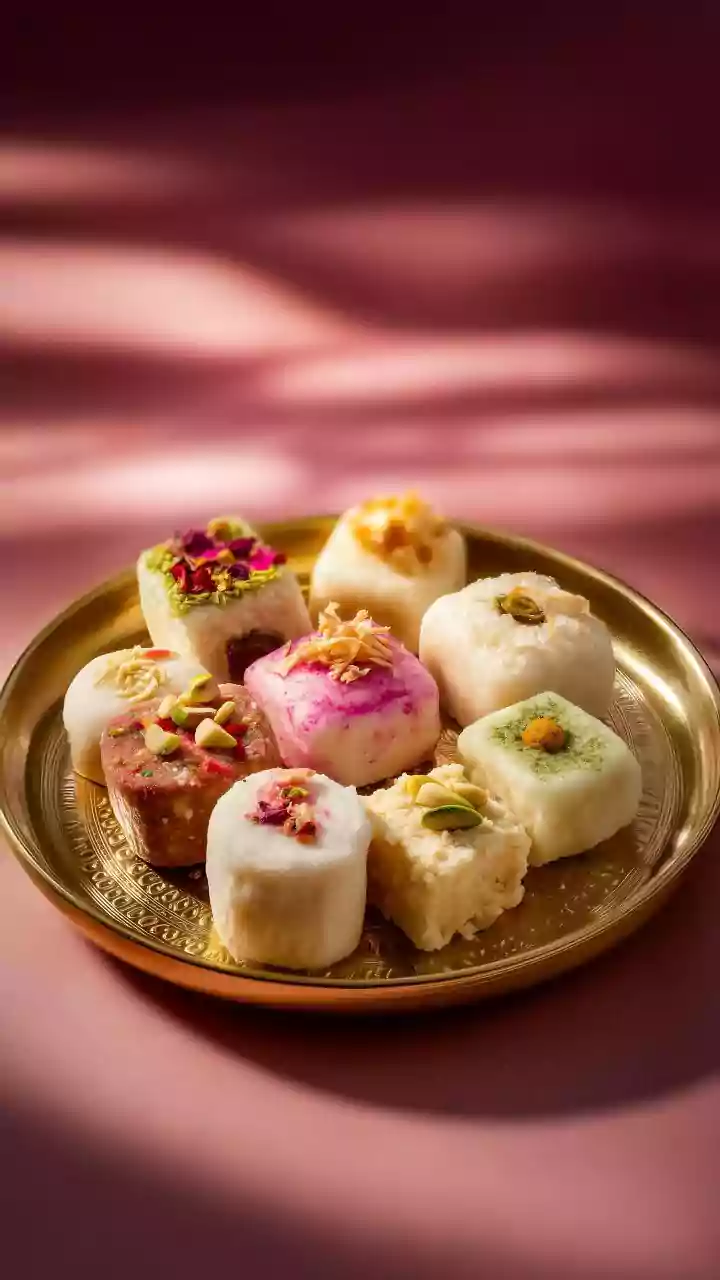
A huge factor driving the micro-dessert trend is its sheer photogenic nature. A large, messy slice of chocolate fudge cake can be delicious, but it rarely looks elegant on an Instagram feed. A tiny, perfectly crafted lemon tart with a single, glistening raspberry on top? That’s art. These bite-sized treats are designed with aesthetics in mind. Their small scale allows for meticulous detail, turning each one into a miniature masterpiece. Bakeries understand that in the digital age, the visual appeal of a product is almost as important as its taste. A beautiful, bite-sized dessert is a marketing tool in itself. Customers are not just buying a treat; they're buying a shareable moment. The vibrant colors of a macaron flight or the glossy finish on a tiny chocolate dome are engineered for the grid, encouraging diners to snap, post, and tag, creating a viral loop of desire and discovery that a humble brownie could only dream of.
The Smart Economics of the Bite
This trend is as much about smart business as it is about consumer psychology. For the customer, the single-bite model lowers the barrier to entry for luxury. A full-sized cake from a star pastry chef might cost a prohibitive amount, but a $4 miniature version of the same creation feels like an accessible splurge. This encourages tasting and experimentation. Instead of committing to one flavor, a customer might buy three or four different mini-items, ultimately spending more than they would have on a single slice while feeling like they got more variety and value. For bakeries, the math works out beautifully. The perceived value and intricate labor allow for premium pricing on a per-ounce basis, often leading to higher profit margins. It also reduces waste and gives pastry chefs a canvas for creativity, allowing them to test new flavor combinations on a small scale before committing to a full-sized product.
From Mini Cupcakes to Gourmet Squares
While the macaron has long been the poster child for petite patisserie, the trend has expanded dramatically. New York’s Baked by Melissa built an empire on its signature tie-dye mini cupcakes, proving that a tiny format could have massive appeal. Now, the landscape is dotted with innovation. You can find single-serving Japanese cheesecakes that jiggle mesmerizingly, tiny donuts with gourmet glazes, and single-origin chocolate bars portioned into elegant, individual squares designed for a slow, mindful tasting. Even classic American desserts are getting the treatment, with two-bite brownies, mini key lime pies, and thimble-sized bread puddings appearing on menus. This isn’t about deprivation; it’s about curation. Each offering is designed to deliver a concentrated burst of flavor and satisfaction, making the experience feel special and intentional.