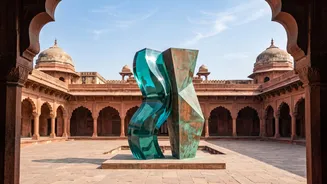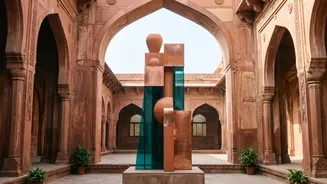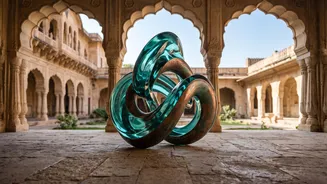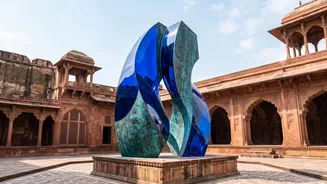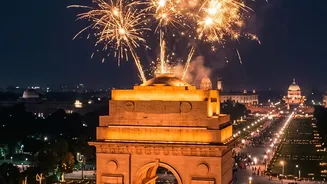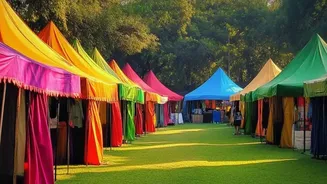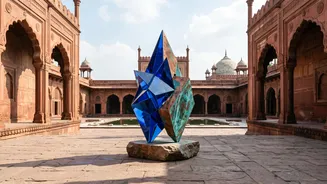

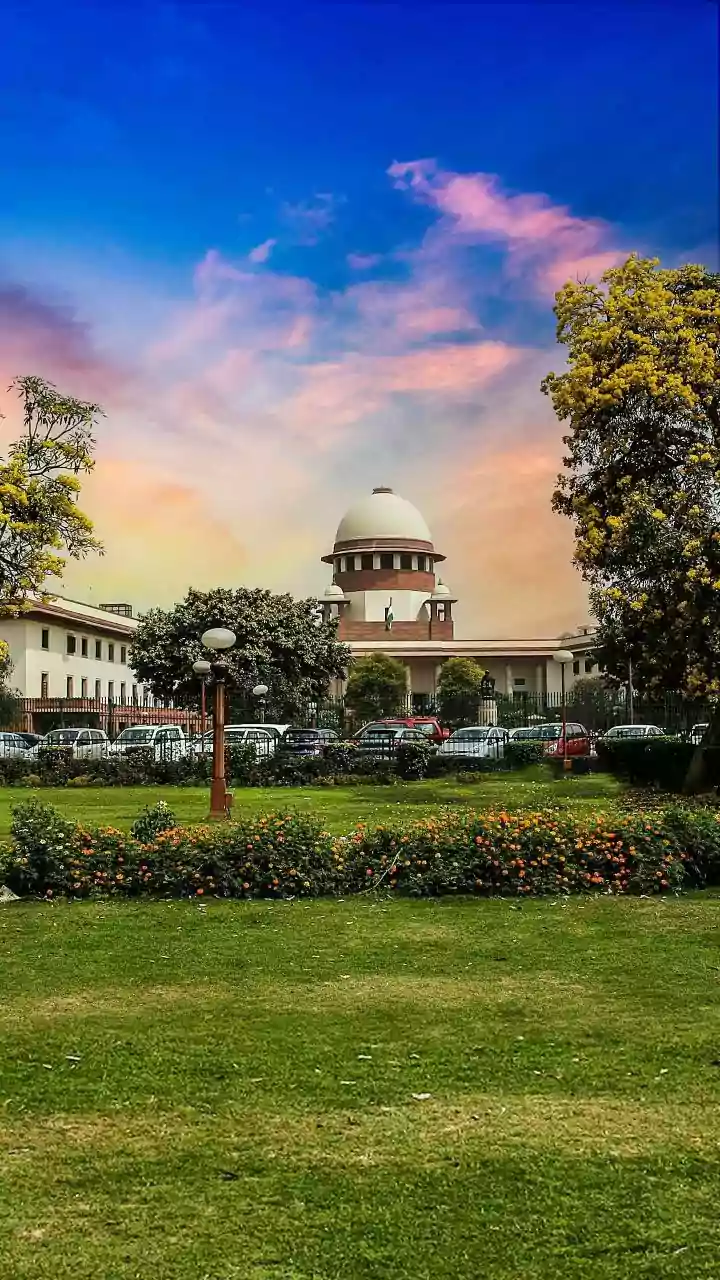



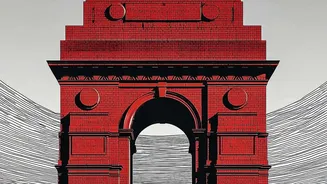
This winter, Delhi is set to become one of the world's most unique art galleries. The India Biennale launches on December 4, 2026, transforming the city's most treasured historical monuments into breathtaking backdrops for contemporary art.
A City-Wide Cultural Canvas
For 108 days,
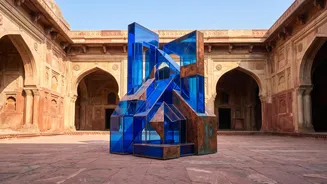
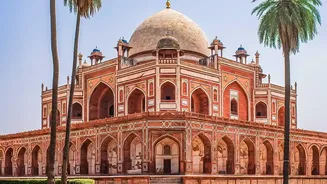
from December 4, 2026, to March 21, 2027, the second edition of the India Art, Architecture and Design Biennale (IAADB) will unfold across the national capital. Unlike traditional art events confined to galleries, this biennale, presented by the Ministry of Culture, uses Delhi itself as the main stage. The core idea is to create a dynamic conversation between India's rich past and its vibrant creative present. Imagine contemporary installations set against the ancient walls of Purana Qila, digital art illuminating the Lodhi Garden, and sculptural works interacting with the architectural marvels of Qutub Minar and Humayun's Tomb. This approach invites visitors not just to see art, but to experience it within the layers of history that define the city.
What Exactly Is a Biennale?
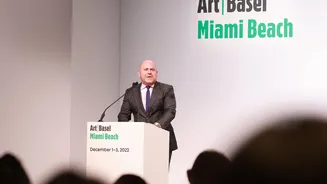
The term 'biennale' comes from the Italian word for 'biennial' and refers to a large-scale international contemporary art exhibition held every two years. The concept was popularized by the Venice Biennale, which started in 1895. These events are distinct from art fairs as they are typically non-commercial platforms focused on showcasing cutting-edge artistic practices and fostering cultural dialogue. Biennales serve as major touchstones in the art world, bringing together artists, curators, and the public to explore a specific theme and shaping global artistic conversations. For a host city, a biennale can be a significant driver of cultural tourism and local pride.
The Theme: 'Tat Tvam Asi'
The central theme for the 2026 edition is 'Tat Tvam Asi', a Sanskrit expression from the Upanishads that translates to 'You Are That'. This philosophical concept explores the idea that the individual self is not separate from the universe it inhabits. In an era often defined by digital distraction, the theme is a call to reconnect—with ourselves, with each other, and with our environment through art. The curatorial vision encourages a wide spectrum of creative interpretations, from traditional crafts and handmade objects to immersive digital media, all exploring this profound idea of interconnectedness.
Iconic Venues Turned Galleries
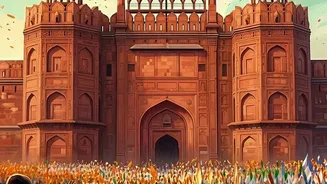
The list of confirmed venues reads like a tour of Delhi's most celebrated landmarks. Purana Qila will serve as the main venue, hosting several pavilions. Other iconic sites being activated include the Red Fort, Safdarjung Tomb, Qutub Minar, Jantar Mantar, and Agrasen ki Baoli. Even green spaces like Lodhi Garden are part of the canvas. The programming also extends to the city's premier cultural institutions, such as the National Gallery of Modern Art (NGMA), the National Museum, and Lalit Kala Akademi. This sprawling, multi-venue format encourages visitors to embark on a cultural journey across the city, discovering art in both expected and unexpected locations.
A Platform for Emerging and Student Artists
Alongside established Indian and international artists, the biennale places a strong emphasis on nurturing the next generation of talent. A key component of the event is the Student Biennale, which provides a national platform for young artists and design students to showcase their work. This initiative offers mentorship and grant support, aiming to bridge the gap between educational institutions and the professional art world. It ensures that the event is not just a showcase of established names but also a launchpad for creative careers, fostering a spirit of experimentation and fresh thinking.