



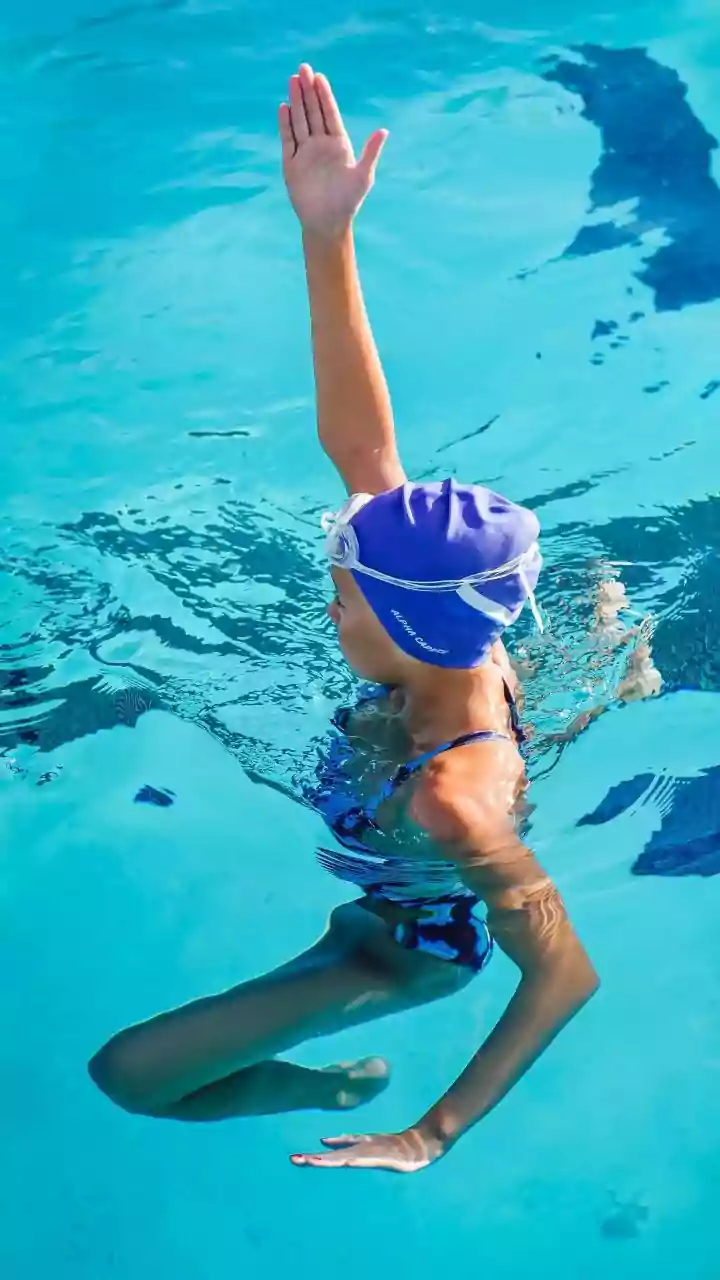



It happens in an instant: a splash from the shower, an unexpected dip in the pool, or just washing your face. Getting water on your contact lenses might seem harmless, but it poses a significant risk to your eye health that many people overlook.
Why Water and Contacts Don't Mix
The core
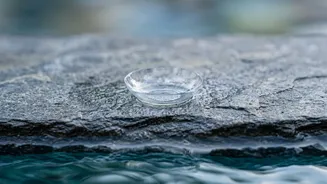
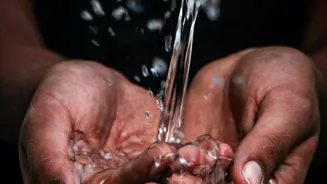
rule of contact lens care is simple: lenses and water are a dangerous combination. This applies to all kinds of water, including tap water from your shower, pool water, ocean water, and even bottled water. None of these sources are sterile. They contain countless microorganisms, some of which can be exceptionally harmful to your eyes. When a soft contact lens gets wet, it acts like a sponge, absorbing and trapping these germs directly against the surface of your eye. Furthermore, water can cause the lens to swell, change its shape, and stick to your cornea, which can be uncomfortable and cause microscopic scratches. These tiny abrasions create a perfect entry point for bacteria and other pathogens to cause an infection.
The Most Serious Risk: Acanthamoeba Keratitis
Among the germs lurking in water, the most notorious is a microscopic amoeba called Acanthamoeba. This organism is commonly found in tap water, lakes, soil, and pools and is highly resistant to chlorine. If Acanthamoeba becomes trapped behind a contact lens, it can cause a severe and extremely painful infection of the cornea called Acanthamoeba keratitis. Health authorities like the CDC warn that this infection is notoriously difficult to treat, sometimes requiring a year or more of intensive medical care. In severe cases, it can lead to permanent vision loss or even require a corneal transplant to restore sight.
Immediate Steps After Water Exposure
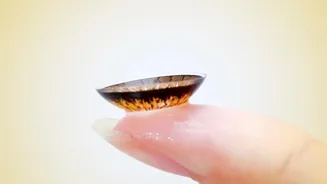
If your contact lenses get wet, act quickly. The first and most important step is to remove the lenses as soon as possible with clean, dry hands. What you do next depends on the type of lenses you wear. If you wear daily disposables, the advice is unanimous: throw them away immediately and insert a fresh, sterile pair. Do not attempt to clean or save them. For reusable lenses (bi-weekly or monthly), the safest option recommended by many experts and the FDA is to discard them as well. While some guidelines suggest you can thoroughly clean and disinfect them overnight in fresh solution, the risk of contamination remains. When in doubt, throwing the lenses out is the safest choice for your eyes.
Warning Signs of an Infection
After any water exposure, it's crucial to monitor your eyes for the next few days. An infection is not always immediate. If you notice any of the following symptoms, remove your lenses right away and contact your eye doctor without delay. Key warning signs include persistent eye pain or soreness, redness that doesn't go away, extreme sensitivity to light, blurred vision, or a constant feeling that something is in your eye. Other red flags are excessive tearing or any unusual discharge. Acting fast at the first sign of trouble is essential to prevent a minor issue from escalating into a serious infection.
Simple Habits for Prevention
The best strategy is prevention. The CDC and American Academy of Ophthalmology strongly advise removing contact lenses before showering, swimming, or using a hot tub. Make it a habit to take your contacts out as part of your evening routine before you wash your face. Never use tap water to rinse your lenses or your contact lens case; only use fresh, commercially prepared contact lens solution. If you are an active swimmer who needs vision correction, prescription swimming goggles are the safest and most effective solution, providing clear vision while creating a watertight seal to protect your eyes. For convenience, consider asking your doctor if daily disposable lenses are a good option for your lifestyle, as they reduce risks associated with cleaning and storage.