







An Involuntary, Comforting Craving
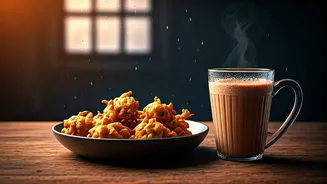
It’s a response that feels almost Pavlovian. The scent of petrichor—that earthy perfume released by rain on dry soil—triggers a deep-seated desire for something warm, substantial, and profoundly comforting. While a cup of chai and a plate of pakoras have
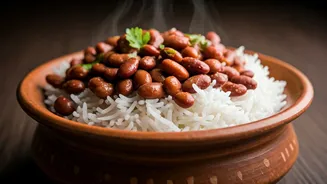
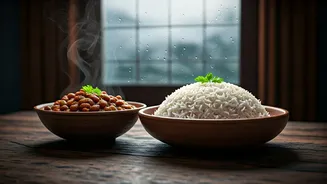
their own rainy-day charm, they are merely the opening act. The main event, the meal that truly soothes the soul as the downpour continues, is almost always rajma chawal. It’s not just a dish; it’s a feeling, a culinary hug that promises to ward off the gloominess of the weather and replace it with a sense of deep-seated contentment.
A Taste of Home and Nostalgia
More than any other dish, rajma chawal is steeped in nostalgia. For many, it’s the taste of childhood Sundays, a weekly ritual lovingly prepared by a mother or grandmother. The process itself is a slow, deliberate act of love. It begins the night before, with the kidney beans being soaked, a quiet promise of the feast to come. The next day, the pressure cooker’s whistle becomes the soundtrack of the afternoon, a rhythmic announcement that something special is on its way. That aroma of onions, ginger, garlic, and tomatoes simmering into a thick, luscious gravy is the smell of home. Eating it on a rainy evening transports us back to those simpler times, to a place of safety and unconditional love.
The Simple Science of Solace
There’s a scientific reason behind this powerful craving. Cold, gloomy weather can cause a dip in our serotonin levels, the neurotransmitter responsible for feelings of happiness and well-being. Our bodies instinctively seek out carbohydrate-rich foods to counteract this. The combination of protein-rich rajma and carb-heavy chawal provides a slow, steady release of energy and helps boost serotonin production. This is why a bowl of rajma chawal doesn't just fill your stomach; it quite literally makes you feel better. It’s the body’s way of self-medicating with the most delicious prescription available, providing warmth from the inside out when the world outside is cold and damp.
The Perfect Symphony in a Bowl
Let’s not forget the sheer sensory pleasure of the meal itself. A perfect plate of rajma chawal is a masterclass in texture and flavour. The kidney beans should be cooked to a point of creamy tenderness, melting in your mouth without being mushy. The gravy, the heart of the dish, must be a harmonious blend of tangy tomatoes, aromatic spices, and a subtle, earthy depth. This is ladled generously over a bed of fluffy, fragrant basmati rice, each grain perfectly separate and ready to soak up the flavour. Add to this the classic accompaniments—a dollop of plain dahi to cool the palate, a crisp salad of sliced onions with a squeeze of lime, and a piece of tangy pickle—and you have a meal that engages every single taste bud.
A Ritual of Anticipation and Joy
The magic of rainy-day rajma chawal isn’t just in the eating; it’s in the entire ritual. It’s about the decision, the shared glance with a family member that says, “Today is a rajma day.” It’s about the slow simmer that fills the house with an appetising fug. The joy is in mashing a spoonful of rajma into the rice, creating the perfect bite, and savouring it while listening to the rhythmic drumming of the rain outside. It’s a simple, unpretentious pleasure that requires nothing more than a comfortable chair, a full bowl, and the time to enjoy it. It turns a potentially dreary evening into an occasion for cozy celebration.