
Setting the Stage for Your Tasting
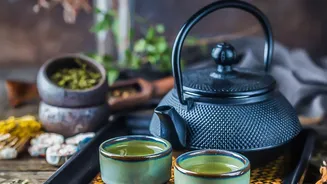
To create the right atmosphere, you don’t need much. Start with the essentials: a teapot for each type of tea you plan to serve, or at least one that can be thoroughly rinsed between brews. Use filtered water for the best flavour, as the quality of your
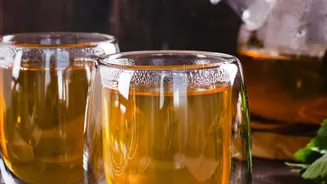
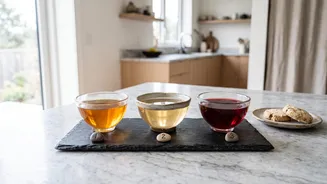
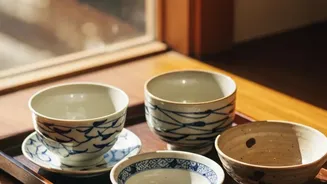
water significantly impacts the taste of the tea. Provide small, preferably white or clear, cups for each guest so they can appreciate the colour of each infusion. Lastly, consider providing notecards and pens. This allows your guests to jot down their thoughts on the aroma, flavour, and finish of each tea, making the experience more interactive and memorable.
The Robust Classic: Black Tea
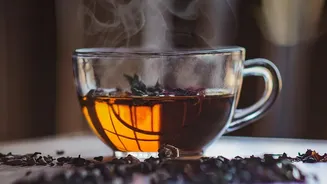
Black tea is the most familiar to many and the most oxidised of all tea types, which gives it a characteristically robust, malty, and sometimes brisk flavour. It's also the most forgiving to brew, handling fully boiling water (95-100°C) well. Plan to steep it for about 3 to 5 minutes. For a tasting, consider offering two distinct varieties to showcase its range. For example, a strong, malty Assam from India contrasts beautifully with a more delicate and floral Darjeeling. This allows your guests to experience how origin and processing create different profiles within the same category.
The Delicate Art: Green Tea
Green tea is unoxidized, a process that preserves its fresh, vegetal, and sometimes grassy character. It requires more care in brewing than black tea. Using water that is too hot or steeping it for too long can result in a bitter taste. The ideal water temperature is significantly lower, around 75-85°C. A good rule of thumb is to let boiled water cool for a few minutes before pouring. A steeping time of 2 to 3 minutes is usually sufficient. Its delicate nature makes it a perfect second step in your tasting, following the lighter teas and preceding the more complex ones.
The Complex Character: Oolong Tea
Oolong is a fascinating category that sits between green and black tea in terms of oxidation. This partial oxidation can range from very light (around 15%) to heavy (up to 85%), creating an incredible spectrum of flavours. Lighter oolongs can be floral, creamy, and sweet, reminiscent of green tea. Heavily oxidized and roasted oolongs offer nutty, woody, and caramel-rich notes that lean closer to black tea. This complexity makes it a highlight of any tasting. Brew with water between 85-95°C for 3 to 5 minutes to unlock its layered aromas.
The Soothing Sip: Herbal Infusions
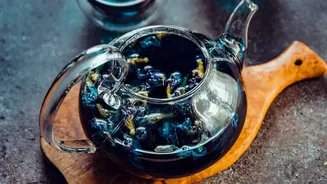
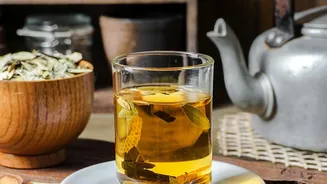
Technically not 'teas' because they don't come from the Camellia sinensis plant, herbal infusions (or 'tisanes') are made from herbs, flowers, fruits, and spices. They are naturally caffeine-free, making them a wonderful, soothing option to include, especially towards the end of your tasting. Popular choices include chamomile for its gentle, apple-like sweetness, peppermint for its cooling properties, and hibiscus for its tart, fruity flavour. These should be brewed with boiling water (100°C) for 5 to 7 minutes to fully extract their flavours.
Guiding the Tasting Experience
Arrange your tasting to move from the lightest teas to the boldest: typically starting with green or a light oolong, moving to darker oolongs, then black tea, and finishing with herbal infusions. For each tea, guide your guests through a sensory evaluation. First, observe the dry leaves, then smell the aroma of the brewed tea. When tasting, encourage a slight slurp to aerate the tea and spread it across the palate, which helps reveal its full range of flavours. Discuss what everyone notices—is it floral, earthy, sweet, or smoky? The goal isn't to be an expert, but to share the experience.
Simple Snacks and Palate Cleansers
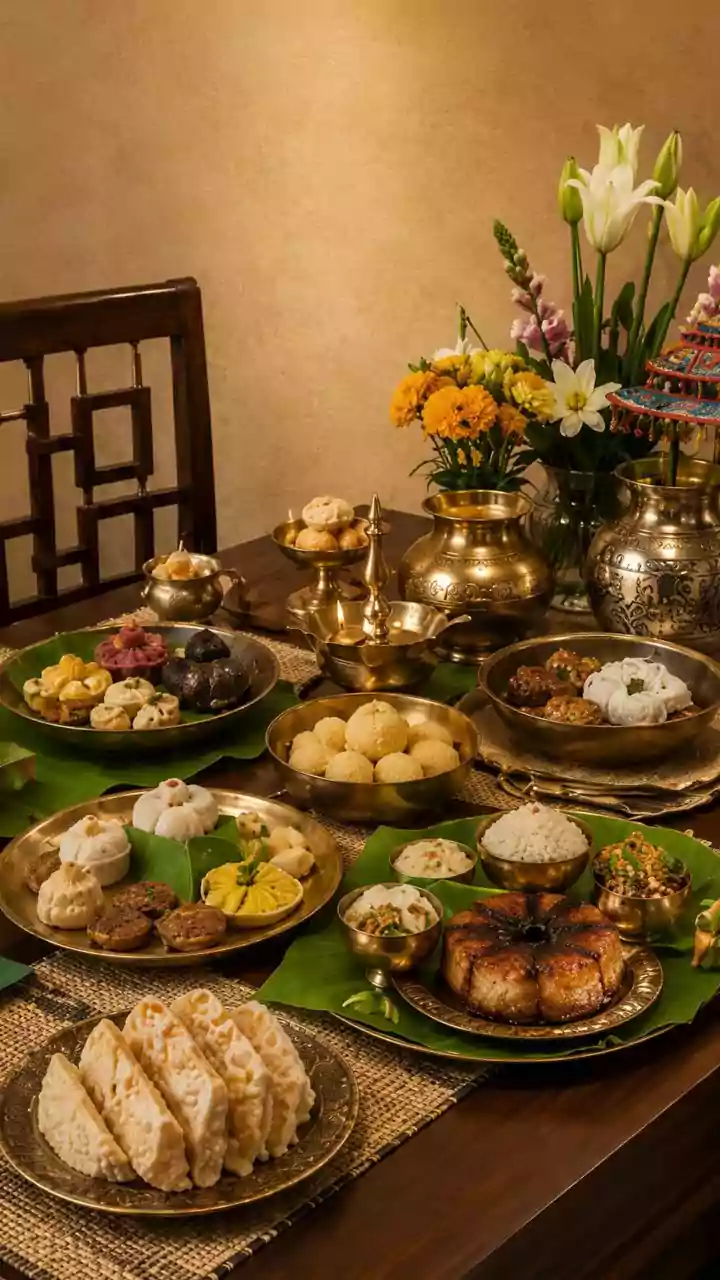
While the tea is the star, light snacks can complement the experience. To avoid overpowering the delicate tea flavours, choose neutral options. Plain crackers, light butter biscuits, or simple scones are excellent choices. You can also offer specific pairings. Green tea, for instance, goes well with seafood or rice-based snacks. Robust black teas can stand up to richer foods like chocolate desserts, while lighter oolongs pair nicely with salty treats or white meats. Have water available for guests to cleanse their palates between different teas.