

The Great Urban Exhaustion
For many young professionals in India's bustling metropolitan centres, the daily grind has become a source of significant burnout. Long commutes, rising pollution levels, high-stress work environments, and the sheer expense of city living have taken their
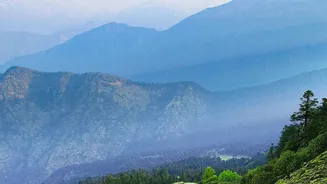
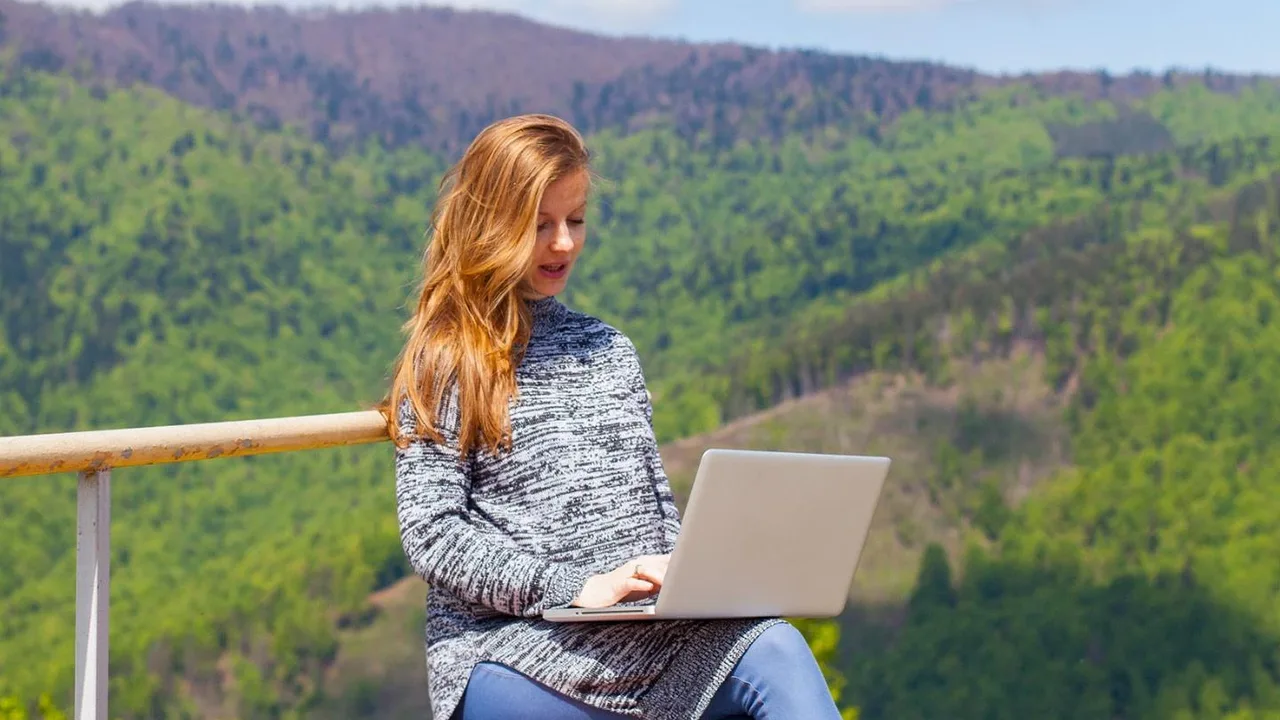
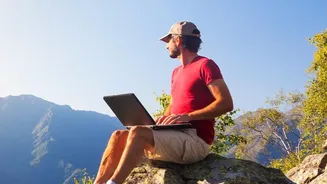
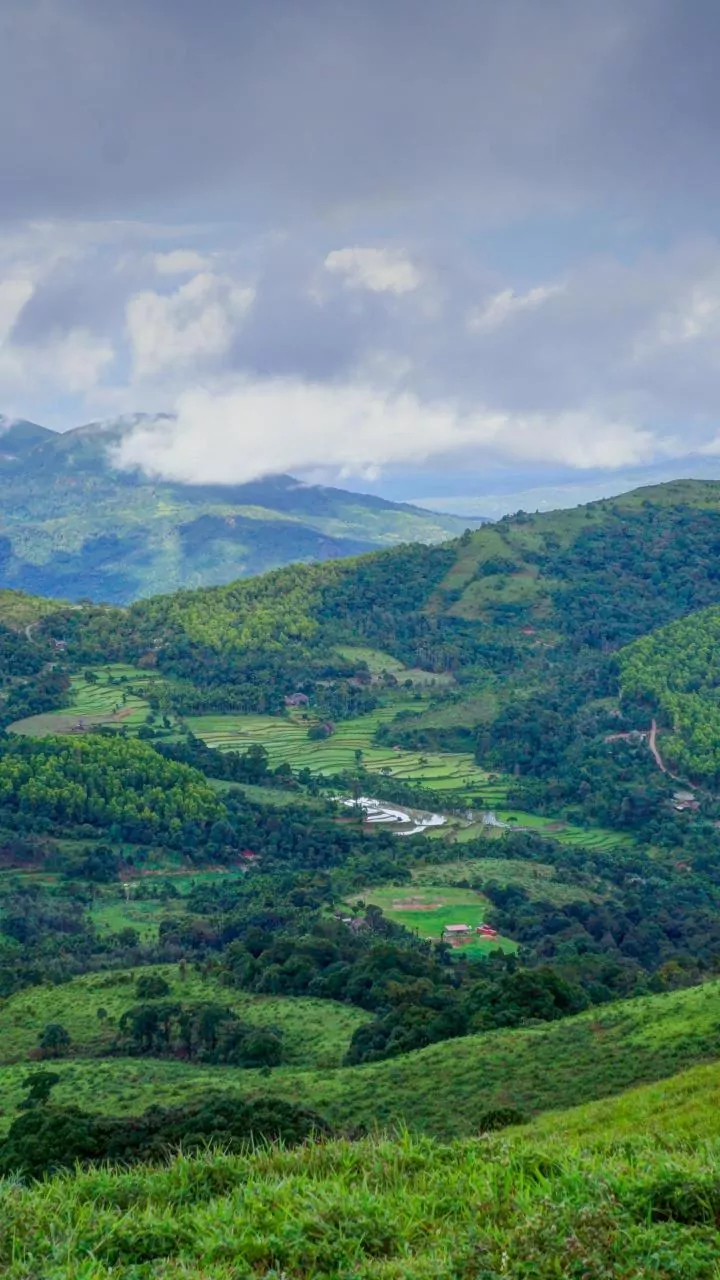
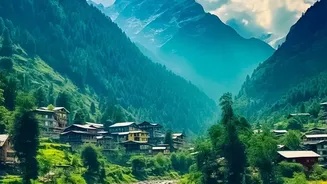
toll. The post-pandemic era normalized remote work, giving many a taste of life without the mandatory office presence. Freelancers, already accustomed to a degree of location independence, were the first to ask a critical question: if work can be done from a city apartment, why not from a mountain-view balcony? This desire for a slower, more intentional pace of life, combined with cleaner air and a respite from urban chaos, is a primary driver for this trend.
The New Work-Life Equation
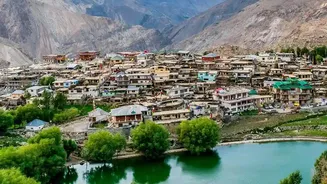
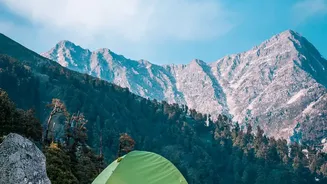
The concept of a 'workation' — blending work with a vacation-like setting — has matured into a sustainable lifestyle choice for many. Instead of brief annual holidays, freelancers are opting for extended stays of a month or more, allowing them to maintain productivity while immersing themselves in a new environment. This model offers a more profound work-life balance. Weekdays are for deadlines, powered by surprisingly robust internet, while weekends are for trekking, exploring local cafes, or simply unwinding in nature. Towns like Dharamshala, Manali, and Bir have become hubs for this new way of living, where productivity and peace are not mutually exclusive.
The Economics of Escape
Beyond the wellness benefits, the financial logic is compelling. The cost of living in a Himachali town is significantly lower than in a metro like Mumbai, Bengaluru, or Delhi. A freelancer can rent a comfortable room or even a small apartment in places like McLeod Ganj or Bir for a fraction of the cost of a 1BHK in a major city. Food expenses are lower, with access to fresh, local produce, and the daily temptation of expensive urban entertainment is replaced by low-cost activities like hiking and community gatherings. This allows freelancers, whose income can often be variable, to save money while arguably enjoying a higher quality of life.
A Growing Support Infrastructure
This migration is not happening in a vacuum. The towns themselves are evolving to cater to this new demographic. What started with a few cafes offering Wi-Fi has blossomed into a full-fledged ecosystem. Co-working and co-living spaces like NomadGao and AltSpace now offer high-speed internet (often 100-200 Mbps), power backup, ergonomic chairs, and, crucially, a built-in community of like-minded individuals. Homestays and guesthouses have also adapted, advertising long-stay packages with reliable internet and work-friendly setups. This infrastructure removes many of the logistical hurdles that previously made long-term remote work in the mountains a challenge.
More Than Just a Desk with a View
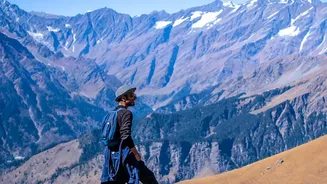
Ultimately, the appeal goes deeper than just scenery and savings. It's about community and connection. The shared experience of building a life and career outside conventional structures forges strong bonds. Evenings are spent not in traffic, but around bonfires, at open-mic nights, or in shared kitchens. There is a palpable sense of a subculture emerging, one that values collaboration, mindfulness, and a connection to nature. In towns like Dharamkot or Old Manali, a freelancer is not an anomaly but part of a thriving community of writers, designers, coders, and entrepreneurs who have all chosen to redefine success on their own terms, against the serene backdrop of the Himalayas.