

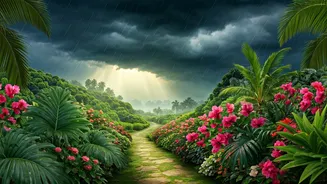



The New Monsoon Itinerary
Forget frantic, multi-city tours. The new-age monsoon vacation is about slowing down and digging deep into one place. Recent travel data shows a significant shift towards experience-led travel, with Indian travellers prioritizing personal interests and cultural
immersion over simply checking off a list of sights. This approach, often called 'slow travel', means choosing a destination and using it as a base for authentic local encounters. Instead of just seeing the sights, people want to participate in the local way of life. This can mean staying at a family-run homestay, a farm, or an eco-resort that offers more than just a room with a view. The advantages are clear: fewer crowds, a more relaxed pace, and a richer, more memorable connection to the place you're visiting.
Embracing Agri-Tourism
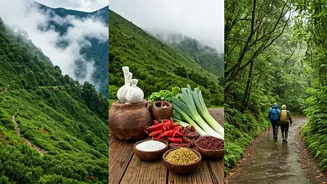
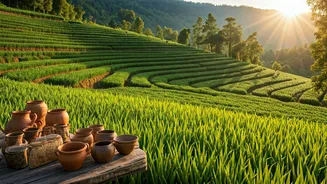
One of the biggest expressions of this trend is the boom in agri-tourism. As urban populations seek authentic rural experiences, farm stays across states like Maharashtra, Karnataka, and Kerala are becoming popular monsoon getaways. Imagine waking up to the smell of wet earth, learning to plant paddy in a rain-soaked field, or taking a tour of a coffee or spice plantation. These trips offer a direct connection to the agricultural heart of India, which is especially vibrant during the monsoon when farming activities are in full swing. It's an opportunity to understand where our food comes from, enjoy farm-to-table meals, and support rural livelihoods, all while enjoying a unique holiday.
Hands-On Heritage and Crafts
Another way travellers are engaging more deeply is through local art and craft workshops. The monsoon, being a quieter tourist season, is the perfect time to learn a new skill from a local artisan. In places like Rajasthan, you might find a block-printing workshop, or a pottery class in a quiet village. In regions like the Nilgiris or the Western Ghats, you can find yourself painting under a tree canopy or learning about local culinary traditions. These experiences are not just about creating a souvenir; they are about understanding the cultural fabric of a region through its heritage crafts. It’s a chance to connect with traditions passed down through generations and appreciate the skill that goes into them.
Wellness and Rejuvenation
The monsoon has long been considered the ideal season for Ayurvedic treatments and wellness practices in India. The cool, humid climate is believed to make the body more receptive to therapies. Today, this ancient wisdom is a cornerstone of modern monsoon travel. An increasing number of travellers are booking wellness retreats that offer yoga, meditation, and holistic therapies. Destinations like Rishikesh, and retreats in Kerala and the Himalayas, are seeing a surge in interest. These trips focus on rejuvenation, offering a chance to disconnect from the stresses of daily life and reconnect with oneself amidst the tranquil, rain-washed landscapes.
Adventure in the Rain
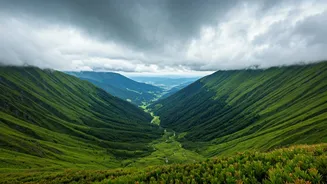
For the more adventurous, the monsoon turns landscapes into a natural playground. While some activities are restricted for safety, many others come into their own. Trekking in the Western Ghats, for instance, offers stunning views of cascading waterfalls and lush greenery in places like Malshej Ghat or Coorg. Caving in Meghalaya becomes a unique thrill, with the sound of rain echoing underground. Even white-water rafting in places like Rishikesh can be an exhilarating experience as the Ganga flows more swiftly. Guided by experts and with proper safety gear, these activities offer a powerful way to experience the raw beauty of nature during the rains.