



Choose Your Destination Wisely
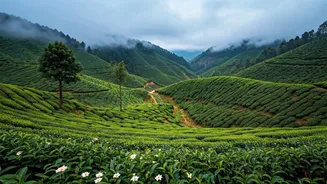
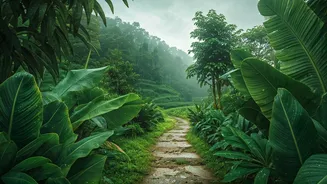
The monsoon transforms India, but not all destinations are created equal during the rains. Hill stations like Munnar in Kerala, Coorg in Karnataka, and Mount Abu in Rajasthan become spectacularly lush and are popular choices. The Western Ghats, including
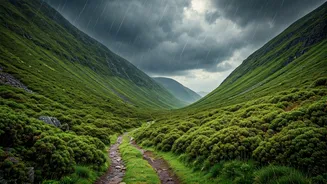
places like Lonavala and Malshej Ghat in Maharashtra, come alive with waterfalls and greenery. However, it's crucial to be cautious. Many hilly and mountainous regions, especially in Uttarakhand and Himachal Pradesh, are prone to landslides and road closures. Coastal areas can be beautiful but may experience intense rainfall and strong winds. Some wildlife sanctuaries like Periyar, Kabini, and buffer zones of parks like Ranthambore and Tadoba remain open, offering unique safari experiences in the rain. Always check local weather advisories and road conditions before booking and travelling.
Pack Smart, Not Heavy
Your packing strategy can make or break a monsoon trip. Prioritise lightweight, synthetic clothing like polyester and nylon blends that dry quickly. Heavy fabrics like denim and thick cotton will stay damp for days in the humidity. A reliable waterproof rain jacket or poncho is non-negotiable; umbrellas can be unreliable in strong winds. For footwear, rubber sandals, waterproof floaters, or trekking shoes with good grip are essential to navigate slippery paths and wet streets. Avoid leather shoes, sneakers, or anything that will get ruined by water. It's also wise to pack dark-coloured clothing, which won't show mud splashes as easily.
Waterproof Your World
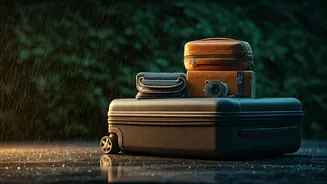
Protecting your belongings, especially electronics, is paramount. A waterproof backpack or a bag with a reliable rain cover is a great starting point. For extra security, use dry bags or waterproof stuff sacks inside your main luggage to compartmentalise clothes and gadgets. Simple ziplock bags are invaluable for protecting your phone, wallet, documents, and medications from sudden downpours. A power bank is also a smart addition, as power cuts can be more frequent during the monsoon season. A small, quick-dry microfibre towel will also prove incredibly useful for drying off yourself or your gear.
Prioritise Health and Hygiene
The monsoon season sees a spike in water-borne and mosquito-borne diseases like dengue, malaria, and typhoid. Be vigilant about your health. Drink only bottled, boiled, or purified water, and avoid tap water and ice from unknown sources. Be wary of street food, especially items that are uncooked or have been sitting out. Stick to freshly prepared, hot meals. Always carry a hand sanitiser and wash your hands frequently. A strong insect repellent containing DEET is crucial, especially in forested or rural areas. It's also wise to wear long-sleeved shirts and full-length pants to minimise exposed skin, particularly during evenings.
On the Road: Drive with Caution
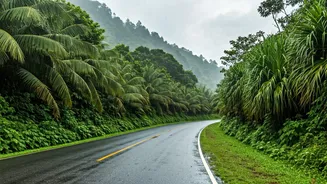
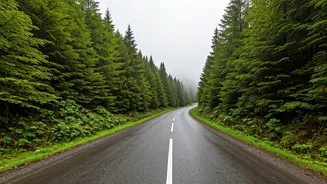
If you are planning a road trip, extra precautions are necessary. Before you leave, ensure your car’s tyres, brakes, and windscreen wipers are in excellent condition. On the road, reduce your speed and maintain a much larger distance than usual from the vehicle in front of you, as braking distances are longer on wet surfaces. Use your low-beam headlights during the day for better visibility. Avoid driving through flooded areas if you can't gauge the depth of the water; it could conceal deep potholes or open manholes. If visibility becomes dangerously low during a heavy downpour, it is safer to pull over to a safe spot and wait for the rain to subside.
Build a Monsoon First-Aid Kit
Your standard first-aid kit needs a few monsoon-specific upgrades. In addition to antiseptic wipes, bandages, and pain relievers, include medication for common monsoon ailments like cold, flu, and stomach issues. An antifungal powder or cream can be useful to prevent skin infections caused by dampness. Also pack any prescription medications you need, along with rehydration salts (ORS) in case of diarrhoea. Having these basic supplies handy can prevent minor issues from disrupting your trip.