





The Salty Truth About Our Diet
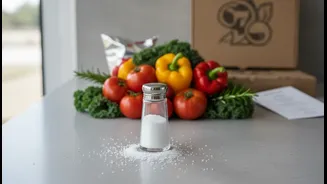
Salt is essential for our bodies to function, but most of us consume far more than we need. The World Health Organization (WHO) recommends a daily intake of less than 5 grams of salt, which is about one teaspoon. However, studies show that the average
daily salt intake in India is between 8 and 11 grams, nearly double the recommended limit. This excess is a major contributor to rising rates of high blood pressure, which increases the risk for heart disease, strokes, and kidney issues. The challenge is that much of this sodium isn't coming from the salt shaker we use at the dinner table.
Hidden Sodium in Everyday Favourites
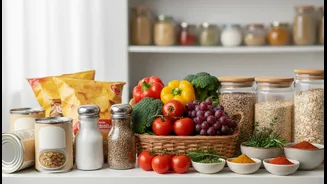
The biggest culprits are often the foods we least suspect. A significant portion of our daily sodium comes from processed and prepared foods. In an Indian context, this includes staples we cherish. That delicious pickle (achar) on the side of your plate can pack a surprising amount of sodium, as it's used as a preservative. The same goes for crispy papads, savoury namkeens, and street food like chaat and pav bhaji. Even seemingly innocuous items like bread, biscuits, and breakfast cereals contain hidden salt. Store-bought sauces, chutneys, and spice mixes (masalas) also contribute to our overall intake, making it easy to exceed the daily limit without ever picking up a salt shaker.
You Can Retrain Your Taste Buds
The good news is that your preference for salt is not permanent. Research shows that our taste buds are remarkably adaptable. When you consistently consume high levels of salt, your palate becomes desensitised, and you need more salt to register a 'salty' taste. However, by gradually reducing your sodium intake, you can retrain your taste buds in as little as a few weeks. As they become more sensitive again, you'll start noticing that heavily processed or restaurant foods taste overly salty. More importantly, you'll begin to appreciate the subtler, more complex flavours in your food that were previously masked by salt.
The Art of Flavour Without Excess Salt
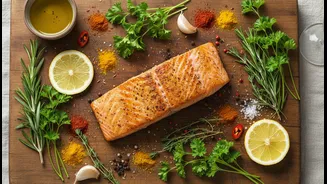
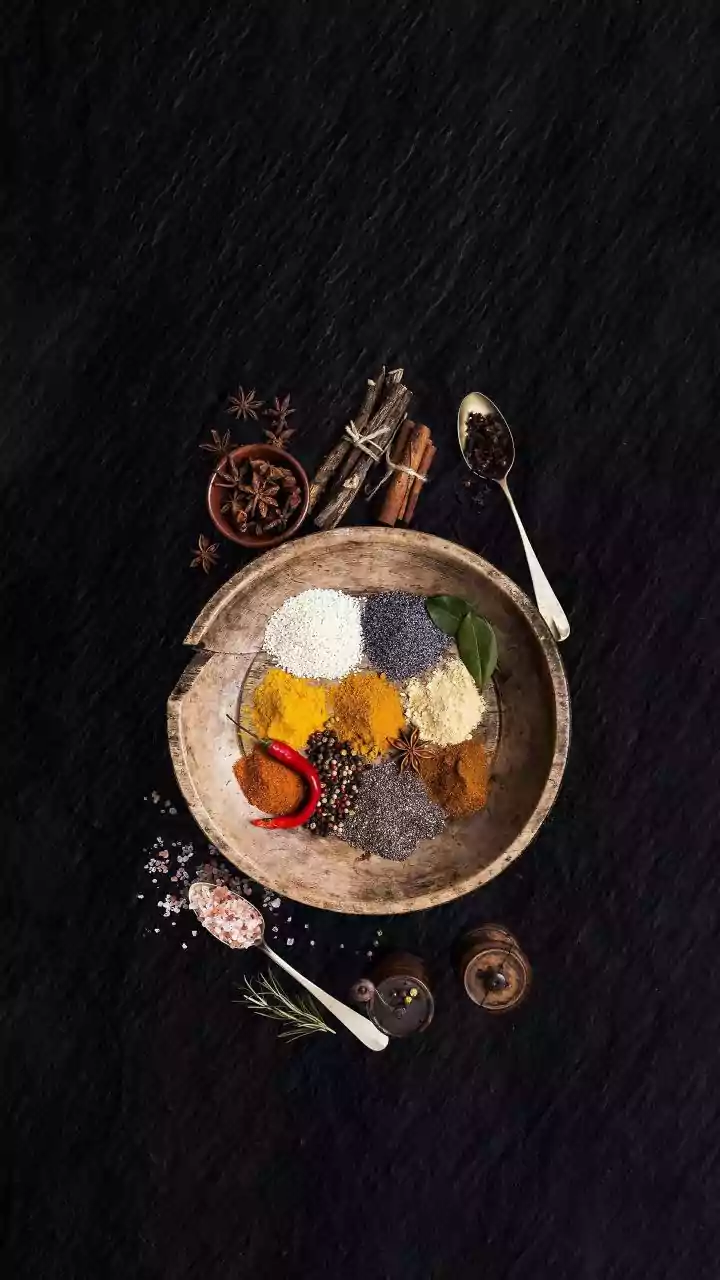
Reducing salt doesn't mean eating boring food; it means becoming smarter with flavour. Indian cuisine is perfectly equipped for this shift, thanks to its incredible diversity of spices and aromatics. Instead of reaching for more salt, dive into your masala dabba. Spices like cumin, coriander, turmeric, and black pepper build a deep, savoury foundation. Introduce tangy and sour notes to brighten dishes using amchur (dried mango powder), tamarind, kokum, or a simple squeeze of lemon or lime juice at the end. Creamy ingredients like yogurt, curd, or coconut milk can also balance flavours and reduce the perceived need for salt in curries. These additions create a layered, satisfying taste profile that makes food exciting without being a sodium bomb.
Mastering Aromatics and Techniques
The foundation of so much regional flavour comes from powerful aromatics. Generously use fresh ginger, garlic, and onions as the base of your dishes. Don't forget the power of fresh herbs. A handful of chopped cilantro or mint added just before serving can transform a meal with its bright, fresh aroma and taste. Cooking techniques also play a crucial role. Roasting or grilling vegetables brings out their natural sweetness through caramelization, reducing the need for added salt. Finally, a simple but effective trick is to add salt at the very end of the cooking process, rather than at the beginning. The salt will be on the surface of the food, providing a more immediate flavour impact on your tongue, allowing you to use less overall.