







The Urban Rush and the Quest for Convenience
The primary driver behind India's changing food habits is the relentless pace of urban life. As millions move to cities for work and education, time has become the most precious commodity. Long commutes, demanding jobs, and the rise of dual-income households
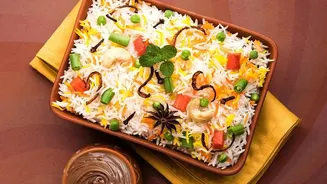
leave little time or energy for elaborate, traditional cooking. This has created a soaring demand for meal solutions that are quick and easy. The ready-to-eat (RTE) and ready-to-cook (RTC) market has exploded, offering everything from instant noodles and soups to pre-made curries and biryanis. This isn't about laziness; it's a practical response to a new reality where managing work and home requires smarter, time-saving choices. The growth of nuclear families, often without the support of an extended family network, further amplifies this need for convenient meal options.
A Market That's Ready to Serve
India's food market is rapidly adapting to this new demand. The ready-to-eat meals sector, valued at over USD 6 billion in 2025, is projected to grow significantly, with some estimates suggesting it could double in the coming years. This growth is fueled by the expansion of organized retail like supermarkets and hypermarkets, as well as the boom in quick commerce, making these products more accessible than ever. Manufacturers are innovating at a breakneck pace, moving beyond basic offerings to provide a diverse range of regional and international cuisines. They are also catering to a more health-conscious consumer, with an increasing focus on preservative-free, organic, and high-protein options. The packaging itself has improved, with technologies like retort packaging ensuring longer shelf life without compromising taste, further boosting consumer confidence.
The New Definition of 'Home-Cooked'
The shift isn't a complete abandonment of home cooking but rather a redefinition of it. For many, a ‘home-cooked’ meal might now involve using a ready-made ginger-garlic paste, a pre-packaged curry masala, or a ready-to-cook dosa batter. These products act as helpers in the kitchen, cutting down preparation time while allowing for a degree of personalization. The rise of working women has been a significant factor in this evolution. With women increasingly joining the workforce and managing careers, the traditional expectation of them solely handling kitchen duties is being challenged by the reality of shared responsibilities and time constraints. Studies show that when women have a greater say in household decisions, it often leads to better and more diverse family nutrition, and convenience foods can be a tool to achieve that balance in a time-poor household.
Health, Tradition, and the Road Ahead
While convenience is a major pull, it's not the only factor. Indian consumers are increasingly reading labels and demanding healthier options. There is a growing awareness around wellness, with a focus on gut health, high-protein diets, and functional foods that offer benefits beyond basic nutrition. This has led to a surge in popularity for healthier alternatives like millets, oats, and makhana over refined flours and conventional snacks. However, this trend also brings challenges. The reliance on processed foods has been linked to a rise in lifestyle diseases, creating a 'double burden' of malnutrition where undernutrition coexists with obesity. The key seems to lie in balance. Consumers are not just replacing old habits but integrating new ones, seeking products that offer both the comfort of familiar tastes and the convenience required by modern schedules.