




The Burning Question of Safety
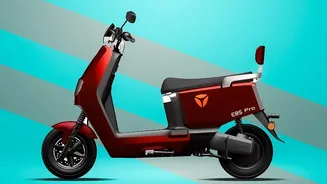
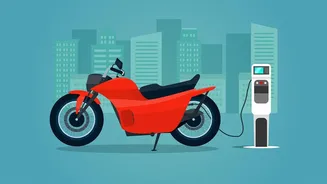
The promise of clean, affordable electric mobility in India has been intermittently clouded by smoke. A series of highly publicised incidents involving electric two-wheelers catching fire has created a significant challenge for the industry. These events,
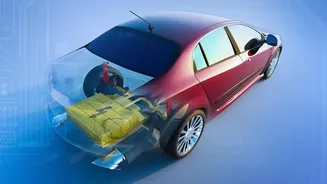
often linked to thermal runaway in lithium-ion batteries, have not only resulted in vehicle recalls but have also sown seeds of doubt among potential buyers. Experts have pointed to a combination of factors, including poor quality cells, inadequate battery management systems, and designs not suited for India's extreme temperatures, as root causes for these dangerous failures. This has pushed the government and manufacturers to implement stricter safety standards, but the search for a fundamentally safer technology has become more urgent than ever.
A Solid Solution on the Horizon
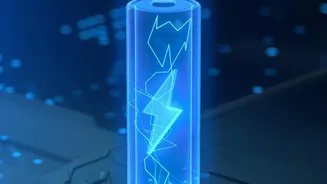
Enter the solid-state battery. Hailed by many as the next frontier in energy storage, this technology is now the focus of intense research and development globally and within India. Unlike conventional lithium-ion batteries that use a flammable liquid electrolyte to conduct ions, solid-state batteries use a solid material—like a ceramic or polymer. This fundamental structural difference is at the heart of their promise. By eliminating the volatile liquid component, the risk of leaks, fire, and the kind of thermal runaway seen in recent incidents is dramatically reduced. This makes the technology intrinsically safer, a key selling point for an industry looking to rebuild trust.
More Than Just Safe
The advantages of solid-state technology extend beyond just safety. Proponents claim these batteries can offer significantly higher energy density, meaning more power can be packed into a smaller, lighter battery. For an EV user, this could translate to a much longer range on a single charge, addressing another major consumer pain point: range anxiety. Furthermore, solid-state designs have the potential for faster charging times and a longer overall lifespan, as they are less prone to the chemical degradation that affects liquid-based batteries. While today's lithium-ion batteries are still superior in some metrics like immediate charging speed, the long-term potential of solid-state technology is immense.
The Hurdles on the Road to Adoption
Despite the compelling benefits, solid-state batteries are not yet ready for a mass-market takeover. The primary obstacles are cost and manufacturing complexity. The materials are expensive, and the production processes are still being perfected, making them significantly pricier than their lithium-ion counterparts for now. Scaling up production from the lab to gigafactories presents a formidable challenge that requires new techniques and massive investment. There are also technical issues to iron out, such as ensuring perfect contact between the solid layers of the battery to maintain performance over thousands of charging cycles.
Indian Players Join the Race
The Indian government and private sector are not sitting on the sidelines. Recognizing the strategic importance of next-generation battery tech, initiatives like the Advanced Chemistry Cell (ACC) mission are encouraging domestic manufacturing. Major players like Ola Electric have announced ambitious plans to build gigafactories with a focus on developing solid-state cells. Meanwhile, companies like Vikram Solar and startups such as Inventus Battery Energy Technologies are also making headway into developing indigenous solid-state battery technology, aiming to reduce reliance on imports and cater to Indian conditions. These efforts signal a clear intent to make India a key player in the future of battery manufacturing, not just a consumer.