





First, Check the Official Forecast
Before you even think about packing, your first step is to consult the India Meteorological Department (IMD). The IMD is the most authoritative source for weather in India and uses a simple colour-coded system for warnings. A 'Green' alert means all is clear,
'Yellow' advises you to stay aware, 'Orange' means be prepared for potentially disruptive heavy rain, and 'Red' is a warning to take action as extremely severe weather is expected. If your planned destination or the route to it falls under an orange or red alert, it is wisest to postpone or alter your plans. You can access these critical updates via the IMD's 'Mausam' website and mobile app.
Hill Stations: Lush Beauty vs. Landslide Risk
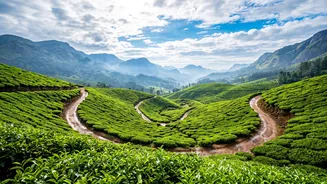
Monsoon renders the hills breathtakingly beautiful. Destinations across the Western Ghats like Coorg and Munnar, or Himalayan foothills like Ranikhet, are cloaked in mist and greenery. However, this beauty comes with a significant risk. Hilly regions in states like Himachal Pradesh, Uttarakhand, and Kerala are prone to landslides and flash floods during periods of intense rain. Recent reports from August 2026 show that heavy rains have led to numerous road closures in Himachal Pradesh, with over 100 roads blocked at a time, particularly in districts like Mandi and Kullu. If you have your heart set on the hills, choose destinations known for better stability, travel during daylight hours, and add buffer days to your itinerary to account for potential delays. Always avoid routes known for frequent landslides, like the Kalka-Shimla stretch or parts of NH-5 in Kinnaur during peak rains.
Coastal Getaways: Navigating High Tides and Rain
A coastal trip to places like Goa or Kerala offers a different monsoon experience. The beaches are often less crowded and resorts may offer off-season prices. However, the sea can be rough, and swimming is generally not advised. The focus shifts from the beach itself to the lush hinterlands, tranquil backwaters, and the simple pleasure of watching the rain from a cozy seaside shack or hotel. Widespread rainfall is common along the Konkan coast and Kerala during late August. When choosing accommodation, look for properties on higher ground with good drainage. Be mindful of high tide warnings and avoid driving through waterlogged coastal roads.
Consider the Rain-Shadow Regions
If you want the pleasant monsoon climate without the intense downpours, consider a trip to a rain-shadow region. These are areas that are geographically sheltered from rain-bearing clouds by mountain ranges. Leh-Ladakh is a classic example, as it remains largely dry while the rest of the country is drenched. Similarly, the eastern side of the Western Ghats, parts of the Deccan Plateau, and much of Rajasthan receive significantly less rainfall. Destinations like Udaipur can be particularly charming, as the lakes fill up and the surrounding Aravalli Hills turn green, but without the travel disruptions seen in heavy rainfall zones. Tamil Nadu also receives less rain during the southwest monsoon, making it another viable option.
How to Check Real-Time Road Conditions
Knowing the weather forecast is only half the battle; you must also verify your route. For the most up-to-date information, use a multi-pronged approach. Start with navigation apps like Google Maps or Waze, which provide real-time traffic data and often show road closures. For national highways, the NHAI's 'Rajmargyatra' app can be a useful resource. Crucially, supplement this with information from social media. Many state and district traffic police departments post live updates about blockages and diversions on platforms like X (formerly Twitter). Finally, searching travel-focused Facebook groups for your destination can provide firsthand accounts from fellow travellers who have just been on those same roads. Calling your hotel or homestay at the destination for a local update is also a highly recommended final check.
Your Monsoon Travel Checklist
Smart packing is key to an enjoyable monsoon trip. Prioritise quick-drying synthetic clothing over cotton. Sturdy, waterproof footwear with a good grip is non-negotiable. An essential part of your kit should be a waterproof bag or cover to protect your luggage and electronics. Always carry a first-aid kit, insect repellent, and any personal medications. Given the potential for power cuts or getting stranded, a fully charged power bank is a modern necessity. Finally, pack some non-perishable snacks and a bottle of drinking water, as journey times can be unpredictable.