
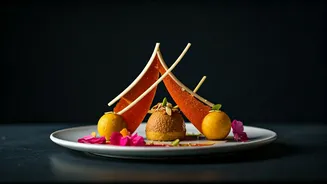
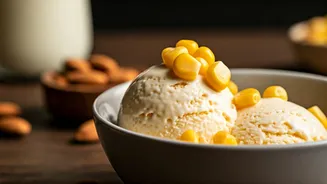


The Enduring Charm of a Classic
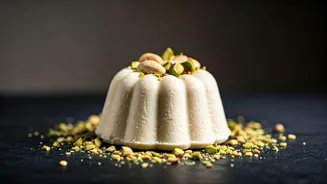
Kulfi is more than just an ice cream; it's a piece of culinary history. [8] Often described as traditional Indian ice cream, its origins trace back to the Mughal Empire in the 16th century. [3, 9] Unlike Western ice cream, which is churned to incorporate
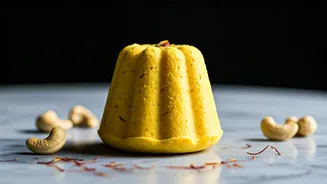
air, kulfi is made by slowly simmering milk for hours to reduce it, a process that results in a dense, rich, and creamy dessert that melts slower in the summer heat. [3, 8] This thickened milk, or rabri, is then traditionally flavoured with ingredients like pistachios, cardamom, and luxurious saffron before being frozen in conical moulds called 'qulfi', from which it gets its name. [8, 9] From royal courts to the bustling carts of kulfiwallahs on city streets, it has become a staple at festivals, celebrations, and family gatherings across the country. [2, 3]
Why A Vegan Kulfi?
The move toward plant-based eating has inspired chefs and home cooks to reimagine traditional recipes for modern lifestyles. Whether due to lactose intolerance, ethical choices, or dietary preferences, more people are seeking dairy-free alternatives to their favourite foods. [19] This has led to a wave of innovation in the dessert space, where the challenge lies in recreating beloved textures and flavours without traditional dairy ingredients. The goal isn't to replace the original but to create a new version that stands proudly on its own, capturing the essence of the classic while making it accessible to a wider audience. This saffron cashew milk kulfi is a perfect example of this culinary evolution, blending tradition with contemporary needs.
Deconstructing the Dairy-Free Remake
Creating a convincing vegan kulfi requires a deep understanding of what makes the original so special. The secret to this remake lies in its star ingredients: cashews and saffron. Cashew milk is a popular choice for vegan desserts due to its high-fat content and neutral flavour, which allows other ingredients to shine. [20, 25] When soaked and blended, cashews create a remarkably creamy base that mimics the richness of reduced full-fat milk. [19, 21] Saffron, a classic kulfi flavouring, imparts its signature golden hue and delicate, aromatic taste that is instantly recognizable. [4, 5] Together, they form a foundation that honours the traditional flavour profile while being entirely plant-based. [12, 13]
The Art of a Creamy, Iceless Scoop
One of the biggest hurdles in making non-dairy frozen desserts is avoiding the dreaded icy texture. [15] Traditional kulfi's density comes from milk solids and fat, which are absent in plant-based versions. [3] To achieve that signature smoothness, vegan recipes rely on different techniques. Using full-fat coconut milk alongside cashew milk can boost the fat content, which is crucial for a creamy mouthfeel. [13, 16] Some recipes also call for a natural thickener like cornstarch or arrowroot powder, which helps to absorb excess water and prevent large ice crystals from forming during the freezing process. [12, 22] The key is to create a base that is thick and well-emulsified before it even enters the freezer, ensuring a final product that is dense and smooth, not watery or gritty.
A Taste of the Future, Rooted in the Past
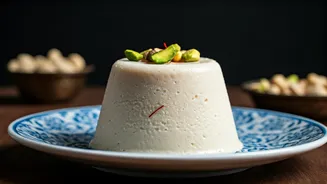
This vegan saffron cashew milk kulfi is more than just a recipe; it's a testament to how food traditions evolve. It demonstrates that classic dishes can be adapted without losing their soul. While traditional malai kulfi will always have its place, innovative takes like this one ensure that the legacy of kulfi continues to grow and adapt. [10] It opens the door for new flavour combinations and techniques, pushing the boundaries of what a traditional dessert can be. This blend of old and new allows a new generation to connect with a historic dish in a way that aligns with their values and dietary needs, proving that the future of food is both delicious and inclusive.