





The Global Squeeze: Tensions and Supply Cuts
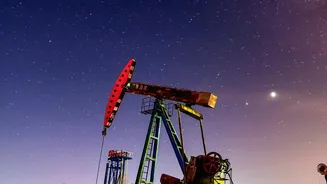
The primary driver behind the recent surge in oil prices is a potent mix of geopolitical instability and deliberate supply cuts. Brent crude, the international benchmark, has been trading around $85 to $90 per barrel, a significant jump. A major factor
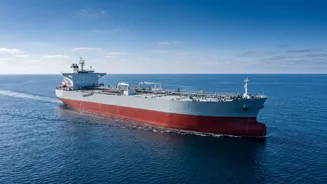
is the ongoing tension surrounding the Strait of Hormuz, a critical channel for global oil shipments. Disruptions and conflicts in this narrow waterway make traders nervous, leading them to bid up prices due to fears of future scarcity. At the same time, a group of major oil-producing nations, known as OPEC+, has been adjusting its output. Seven member countries agreed to a production adjustment starting in August 2026. While sometimes reported as a cut, these adjustments are part of a strategy to manage global supply and support prices, effectively keeping the market tight. This combination of real-world conflict and managed supply is putting upward pressure on the base cost of every barrel of oil.
From Barrel to Pump: India's Pricing Mechanism
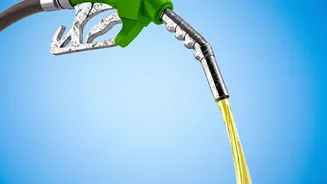
The journey of crude oil from a port to your vehicle's tank in India is a complex one. Because India imports nearly 90% of its crude oil needs, it is highly sensitive to global price movements. The price isn't just about crude; it’s a multi-layered calculation. It starts with the price of crude oil, which is paid for in US dollars. This means the Rupee-to-Dollar exchange rate plays a crucial role; a weaker rupee makes oil imports more expensive. After the crude arrives, it is refined. The state-owned Oil Marketing Companies (OMCs) like Indian Oil, BPCL, and HPCL then set a base price for dealers. This price is meant to be revised daily at 6 a.m. to align with international rates, a system known as dynamic fuel pricing that was adopted in 2017.
The Elephant in the Room: Taxes
A very large portion of the price you pay for petrol and diesel has little to do with the actual cost of oil. It’s taxes. Both the central and state governments levy significant taxes on fuel, which can make up anywhere from 40% to over 50% of the final retail price. The central government imposes a fixed levy called an excise duty. This is a set amount per litre and doesn't change with the oil price. On top of that, each state government adds its own Value Added Tax (VAT). This is where prices across the country diverge significantly. A state with high VAT will have much costlier fuel than a state with lower rates, which is why petrol in Mumbai is consistently more expensive than in Delhi. This tax-on-tax structure means that even a small increase in the base price of oil can be amplified by the time it reaches the consumer.
Why You May Not Feel the Pinch Immediately
The headline notes that you could eventually notice the change, and there's a reason for that lag. While India has a dynamic pricing system, it isn't always fully implemented in practice. At times, particularly during periods of high volatility or for political reasons, OMCs have been known to absorb the rising costs themselves rather than passing them directly to consumers every day. This can create a period of stable retail prices even when global crude is surging. For example, an excise duty cut by the government earlier in 2026 was used to help OMCs recover their losses from absorbing high prices, rather than being passed on as a discount to consumers. However, this cushioning effect cannot last forever. If international prices remain high, OMCs will eventually have to raise pump prices to avoid mounting financial losses.