






The Gentle Squeeze: What is Cold-Pressing?
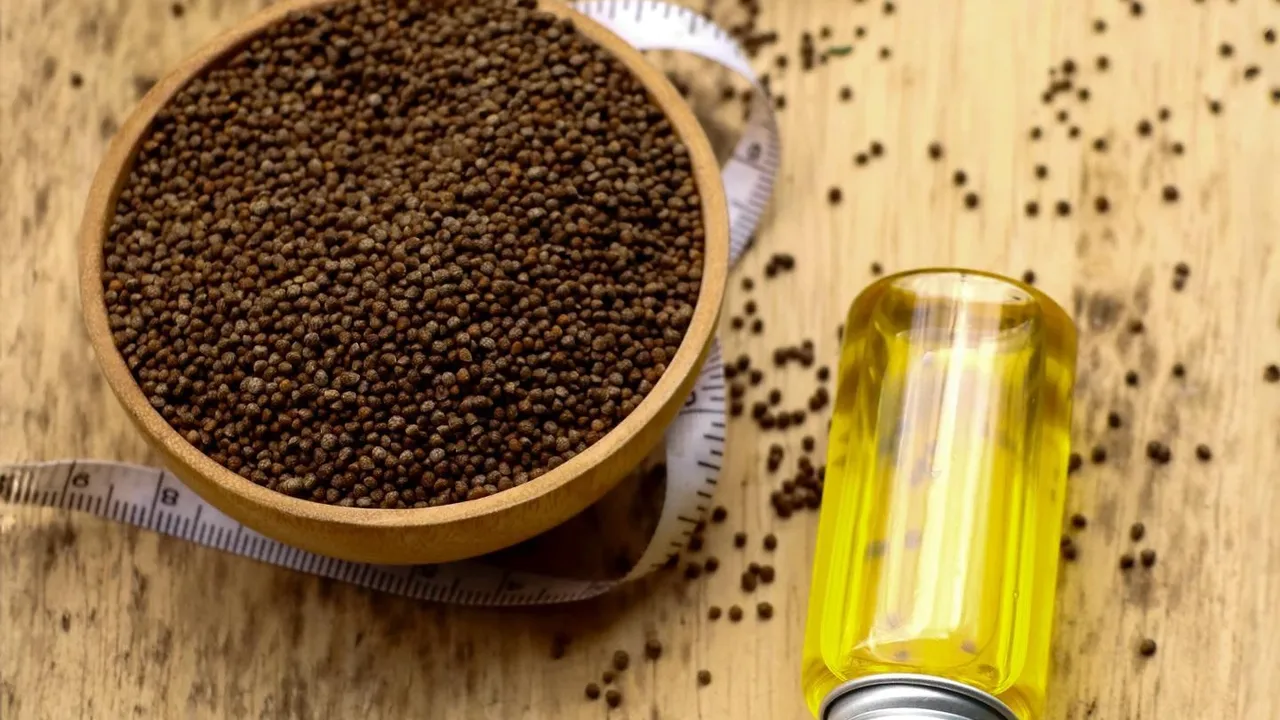
Cold-pressing is a traditional method of oil extraction where seeds or nuts are simply crushed and pressed to release their oil. This is often done using a mechanical press, like a traditional wooden 'ghani', at low temperatures. The key is the absence
of high heat and chemical solvents. This gentle process ensures that the oil retains the natural flavour, aroma, colour, and nutrients of the source ingredient, be it mustard seeds, coconuts, or groundnuts. The resulting oil is essentially the purest liquid form of the seed, carrying its distinct personality directly into your cooking pot.
The Industrial Process: Understanding Refined Oils
Refined oils, in contrast, undergo a multi-stage industrial process designed for mass production and longer shelf life. This often involves extracting oil using high heat and chemical solvents like hexane. The crude oil then goes through several steps including degumming, neutralization to remove free fatty acids, bleaching to lighten the colour, and deodorization to remove any aroma or taste. While this process results in a neutral, stable oil with a high smoke point, it also strips away many of the natural compounds that contribute to flavour and nutritional value. A deodorized oil is deliberately designed to be devoid of any taste.
Flavour and Aroma: Lost in Translation
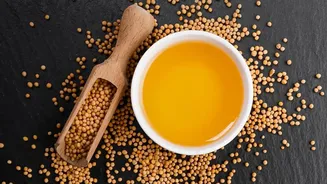
The single biggest difference for any home cook is the impact on flavour. Refined oils are intentionally neutral; they are a blank canvas. Cold-pressed oils are an ingredient in their own right. The pungent, sharp aroma of cold-pressed mustard oil, for example, comes from a natural compound called allyl isothiocyanate, which is largely preserved during cold-pressing but diminished during refining. Similarly, the nutty sweetness of cold-pressed groundnut oil or the distinct fragrance of coconut oil comes from delicate aromatic compounds that are lost during the high-heat, chemical-heavy refining process. In many Indian recipes, the oil is not just a cooking medium but a foundational flavour layer that defines the dish's identity.
A Culinary Tour of India Through its Oils
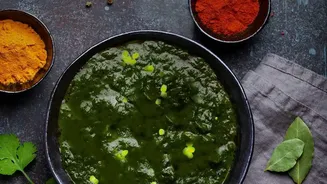
India's diverse regional cuisines are historically tied to the oils produced locally. Using the right cold-pressed oil can transport a dish to its place of origin. In Bengal and Punjab, the assertive pungency of cold-pressed mustard oil is essential for fish curries and pickles like sarson da saag. In the South, particularly Kerala and Tamil Nadu, cold-pressed coconut oil is indispensable. Its unique aroma is the soul of dishes like avial, thoran, and coastal fish curries, where it complements the use of fresh coconut and curry leaves. In Western and other parts of Southern India, cold-pressed groundnut oil is a versatile staple, its milder nutty flavour perfect for everything from sautéing vegetables to deep-frying snacks.
Beyond Taste: The Nutritional Advantage
The benefits of cold-pressed oils extend beyond flavour. Because they are minimally processed, they retain more of their natural nutrients. This includes healthy fats like monounsaturated (MUFA) and polyunsaturated (PUFA) fatty acids, antioxidants, and vitamins like Vitamin E. The refining process, particularly the high-heat stages, can significantly reduce the content of these beneficial compounds. Cold-pressed oils are also free from chemical residues that can be part of the solvent extraction process used for some refined oils. This makes them a more wholesome choice, aligning with a lifestyle that prioritizes natural and unprocessed foods.