



The New Business Recipe
Imagine your favourite Instagram food influencer, the one whose reel of a perfectly cheesy pizza made you hungry last night. What if you could order that exact pizza, made to their specifications, and have it delivered to your door? This is no longer
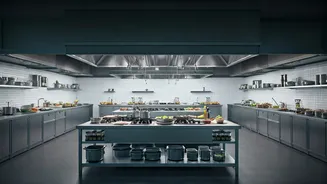
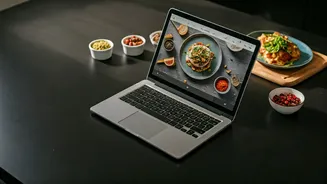
a hypothetical. In India, a new business model is rapidly taking shape at the intersection of two booming sectors: the creator economy and cloud kitchens. Cloud kitchens, or delivery-only restaurants with no physical storefront, provide the infrastructure. Food creators—influencers, chefs, and bloggers—bring the brand, the community, and the built-in demand. The result is a direct-to-consumer food brand, powered by social media influence and facilitated by the country's robust food delivery network.
The Perfect Ingredients for Disruption
Several factors are making this trend possible right now. First, the economics of cloud kitchens are incredibly attractive. They require 40-60% lower upfront investment compared to a traditional restaurant, removing a massive barrier to entry for entrepreneurs. Second, India's creator economy is a behemoth, valued at over ₹10,000 crore and growing at 35% annually, with more than 80 million creators. Brands have taken note, with influencer marketing spend projected to reach ₹5,000 crore by 2027. Food creators, who command highly engaged audiences, are realizing they can move from promoting other brands to building their own. The final piece is the ubiquity of food delivery platforms like Zomato and Swiggy, which handle the logistics of getting food from the kitchen to the customer.
From Content to Cooking
This isn't just a theory; it's already happening at scale. Major cloud kitchen players are actively partnering with creators to launch virtual brands. Rebel Foods, which operates over 45 brands like Faasos and Behrouz Biryani, has a 'Rebel Launcher' program to partner with influencers and existing brands. An early example was their collaboration with Malaika Arora for the brand 'Nude Bowls'. Similarly, Curefoods, a house of brands including EatFit and CakeZone, operates on a model of acquiring and scaling food brands, often leveraging celebrity endorsements and partnerships, like their recent one with Hrithik Roshan. These larger companies provide the operational muscle—standardized recipes, supply chain management, and kitchen infrastructure—allowing creators to focus on marketing to their dedicated communities.
More Than Just a Famous Name
The success of these creator-led brands hinges on authenticity. Consumers are not just buying a meal; they are buying into the creator's personal brand and taste. This model allows for hyper-niche concepts that might not sustain a full-fledged restaurant. A creator known for healthy eating can launch a line of millet-based bowls, while a baker with a huge following can start a delivery-only dessert brand. This shift is also pushing creators to become more professional, with a growing number registering as business entities to manage their income and partnerships. This formalization signals a move from one-off collaborations to building long-term, scalable businesses.
The Challenges on the Menu
However, the path is not without its hurdles. The cloud kitchen market is becoming increasingly competitive, and many have struggled with the harsh unit economics. High commission rates from delivery aggregators can severely erode profit margins. For creators, the challenge lies in translating online engagement into consistent sales and ensuring quality control as the business scales. A single bad review can damage both the food brand and the creator's personal brand. Furthermore, there's the risk of depending too heavily on platforms they don't control, whether it's Instagram for marketing or Zomato for delivery. Survivors in this space are those who build strong brand loyalty, manage operational costs tightly, and diversify their customer acquisition channels beyond just the big platforms.