




Beyond the Man Cave: Redefining the Den
Forget the old stereotype of a dark, masculine room filled with leather and smoke. The modern den, surging in popularity for 2026, is a fluid concept defined by its user. It’s a quiet corner, a small spare room, or a partitioned section of a larger space
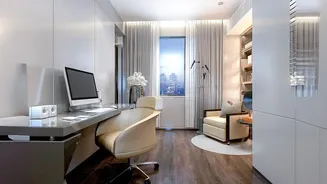
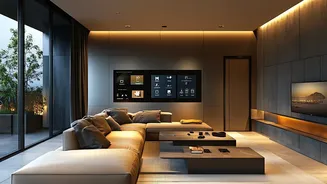
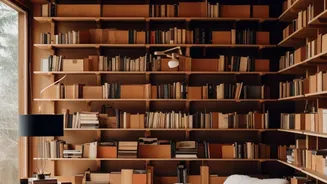
dedicated to personal pursuits. Interior designers note that its primary characteristic is flexibility. This revived space serves not as a formal living room, but as a casual, comfortable retreat for activities that get lost in open-plan homes: reading a book, listening to music, practicing a hobby, or simply enjoying a quiet moment alone. It’s less about entertainment and more about personal decompression. This shift reflects a broader trend towards creating homes that cater to our mental well-being and individual needs.
A Reaction to Open-Plan Living
For the last two decades, the open-concept floor plan has reigned supreme. But the experience of spending more time at home has revealed its limitations. Constant noise, a lack of privacy, and visual clutter have led many to crave walls and doors. The den offers a direct solution—a dedicated space that can be closed off. Architects and designers are seeing a clear move away from completely open layouts toward more 'broken-plan' or fully enclosed rooms that provide functional and acoustic separation. This isn't about isolation, but about creating a home that can support simultaneous, different activities—one person can work or read in the quiet den while family life continues in the main living area. This desire for privacy and quiet focus is a major driver of the den’s resurgence.
The Rise of the Hobby Room
The new den is, above all, a room for doing things you love. It’s a tangible result of the growing appreciation for hobbies and creative outlets. Whether it’s a dedicated spot for painting, a corner for yoga and meditation, or a nook for crafting and sewing, people are seeking spaces where they can pursue passions without interruption. A key benefit is the ability to leave a project out mid-way without having to clean up for guests or daily life, which experts say encourages more consistent practice. These spaces are being designed around the activity itself, with a focus on functional elements like good task lighting, smart storage, and comfortable seating.
Making it Work in Indian Homes
While the idea of a spare room might seem like a luxury, the modern den is highly adaptable to urban Indian living. The key is thinking about zones and multi-functionality. Even a small corner of a bedroom or a section of a balcony can be transformed into a dedicated hobby or reading nook. A space as small as 50-80 square feet can be sufficient. Interior experts suggest using visual dividers like a stylish bookshelf, a foldable screen, or even a large area rug to demarcate the space. Smart, vertical storage is critical; wall-mounted shelves and pegboards can keep supplies organized without eating up precious floor space. Furniture that serves more than one purpose, like a storage ottoman or a fold-down desk, is also a perfect solution for creating a flexible den in a compact apartment.
Designing Your Personal Sanctuary
Creating a den is less about following strict design rules and more about personal expression. The goal is to craft a space that feels like a welcoming retreat. Start with a comfortable chair or a small sofa. Layered lighting is crucial—combine ambient light with a focused task lamp for reading or crafting. Colour can also play a huge role; some prefer cozy, moody palettes to create a cocoon-like feel, while others might opt for calming, neutral tones. Finally, personalize the space with art, plants, and objects that are meaningful to you. This personal layer is what transforms a simple room into a true sanctuary.