


Start Small and Simple
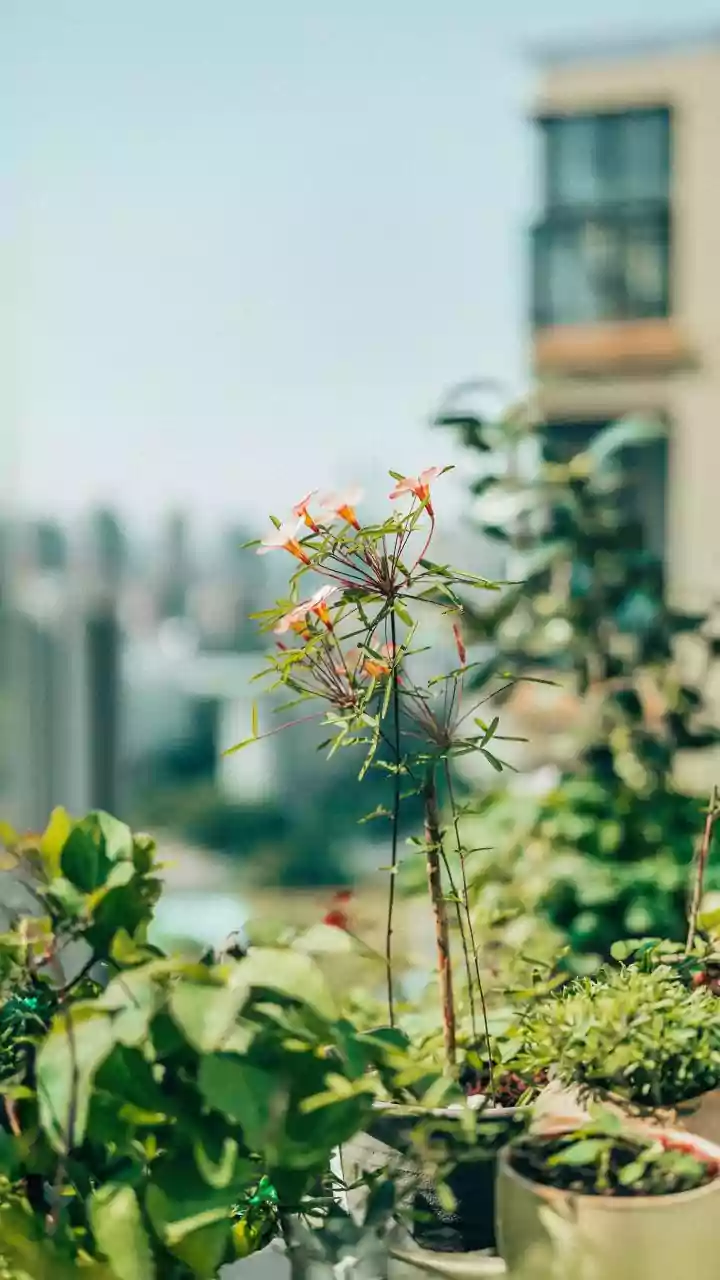
One of the most common mistakes beginners make is starting too big, too fast. It's exciting to imagine a large, vibrant garden, but it can quickly become overwhelming. Instead, begin with a small, manageable space like a few containers on a balcony or
a small patch in your yard. This allows you to learn the ropes of watering, feeding, and pest control without feeling defeated. Starting with three or four easy-to-grow plants is a great approach. As you gain confidence and familiarity with their needs, you can gradually expand your collection.
Choose the Right Spot
Before you buy a single seed, observe your space. Most vegetables and many flowering plants need about five to six hours of direct sunlight each day. Spend some time noting which parts of your balcony, terrace, or yard get sun in the morning versus the afternoon. A good location should also be convenient to access for watering and care. If a garden is out of sight, it's often out of mind, making it easy to forget crucial tasks. Also, try to find a spot that offers some protection from strong winds, which can damage young plants.
Prepare Your Soil
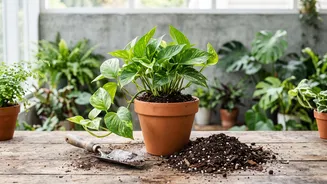
Good soil is the foundation of a healthy garden. Simply using dirt from your yard in containers is often a mistake, as it can be too heavy, drain poorly, and introduce weeds or diseases. For pots and containers, it's best to use a quality potting mix designed for that purpose. A common recommendation for a healthy mix is a combination of coco peat, compost, and soil, often in equal parts. This creates a loose, well-draining medium that gives roots the oxygen and nutrients they need to thrive. Adding organic compost is one of the best things you can do for your soil's health.
Master the Art of Watering
Overwatering is one of the most frequent errors made by new gardeners. It's tempting to douse your plants daily, but this can lead to root rot. Instead of watering on a strict schedule, check the soil first. A good rule of thumb is to stick your finger about an inch or two into the soil; if it feels dry at that depth, it's time to water. If it's still moist, you can wait. When you do water, do so thoroughly until it runs out of the drainage holes, which encourages deeper root growth. The best time to water is usually in the early morning or late evening to minimise evaporation.
Choose Beginner-Friendly Plants
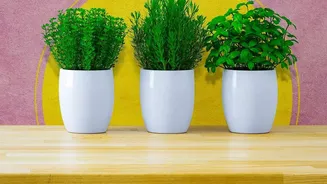
Set yourself up for success by starting with plants that are known to be resilient and productive. For a kitchen garden in India, easy-to-grow options include herbs like mint and coriander, and vegetables like spinach and methi. These grow quickly and can provide a rewarding first harvest. When planting seeds, a general guideline is to sow them at a depth of about two to three times their diameter, unless the seed packet specifies otherwise. For transplanting seedlings, dig a hole that is wider than the plant's root ball to give it room to spread out.