







Master the Post-Walk Paw Spa
Your dog’s paws are their first point of contact with wet, dirty streets, making them highly susceptible to fungal and bacterial infections. The single most effective habit to build this season is a mandatory paw-cleaning session the moment you return
indoors. Keep a dedicated ‘monsoon towel’ and a basin of lukewarm water by the door. Gently wash and wipe each paw, paying close attention to the spaces between the toes and pads where moisture and grime love to hide. After cleaning, dry them thoroughly. Trimming the long fur between their paw pads can also significantly reduce the amount of mud and water they track inside, making the cleanup process much faster.
The Five-Minute Full-Body Dry-Down
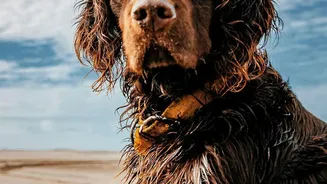
A damp coat is a breeding ground for skin problems like hotspots and yeast infections. While your dog might look dry on the surface, moisture can remain trapped in their undercoat for hours, especially in breeds with thick fur. After any exposure to rain, even a short drizzle, commit to a full-body towel dry. Use a highly absorbent microfiber towel and focus on areas that trap the most moisture: the belly, underarms, ears, and the base of the tail. For long-haired dogs, a blow dryer on a low-heat setting can be a lifesaver, ensuring no damp patches are left behind to cause trouble. Letting a dog air-dry is one of the biggest mistakes owners make during the monsoon.
Rethink the Bathing Schedule
It may seem logical to bathe your dog more often when they are constantly getting dirty, but over-bathing can do more harm than good. Frequent washing strips the natural oils from their coat, weakening the skin’s protective barrier and making it more vulnerable to infections. During the monsoon, it's better to stick to a bathing schedule of once every two to three weeks. When you do bathe them, consider using a vet-recommended medicated or anti-fungal shampoo containing ingredients like neem as a preventive measure. The most crucial step remains the post-bath drying; a half-dried coat is often worse than skipping a bath altogether.
Make Daily Pest Patrol a Priority
The warm and humid weather of the monsoon is paradise for ticks and fleas. These parasites are not just an itchy nuisance; they can transmit serious and sometimes fatal blood-borne diseases like ehrlichiosis and babesiosis. Make it a non-negotiable part of your daily routine to check your dog for ticks, especially after they have been outdoors. Run your fingers through their coat against the direction of hair growth, checking their entire body, including inside the ears, under the collar, between the toes, and near the tail. Continue to use their regular vet-prescribed tick and flea prevention treatment without fail throughout the season.
Safeguard Their Food and Water
Monsoon health risks aren't limited to the outside. Stagnant puddles are often contaminated with harmful bacteria, including the one that causes leptospirosis, a severe illness that can lead to kidney and liver damage. Always carry fresh drinking water for your dog on walks and actively prevent them from drinking from puddles. Inside the home, ensure their water bowl is cleaned and refilled with fresh water daily. The high humidity can also cause dry dog food to spoil or grow mould faster. Store kibble in an airtight container, not in the original bag, to keep it fresh and safe.
Keep Their Indoor World Dry and Clean
A hygienic home environment is your second line of defence. Damp bedding can quickly become a hotspot for the very same fungi and bacteria you’re trying to keep off your dog's skin. Wash your dog’s bed, blankets, and soft toys more frequently during the monsoon, at least once or twice a week in hot water. Whenever the sun makes an appearance, use the opportunity to sun-dry their bedding, as the UV rays act as a natural disinfectant. Improving ventilation in your home by opening windows when it's not raining can also help reduce overall humidity levels, benefitting both you and your pet.