





Why Your Brain Craves Green
There is a powerful, science-backed reason why a walk in a park feels so refreshing. It's called biophilia—the theory that humans have an inherent need to connect with nature. In urban environments, where we are surrounded by concrete and noise, this
connection is often severed, leading to increased stress and mental fatigue. Biophilic design aims to fix this by consciously incorporating natural elements into our living spaces. It’s more than just adding a few pots; it's about creating an environment that lowers stress levels, improves air quality, and boosts our overall sense of well-being.
Start with Low-Maintenance Greens
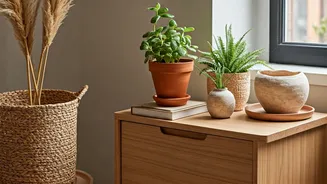
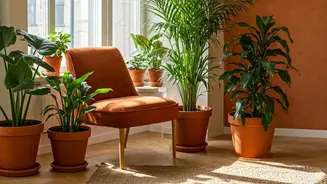
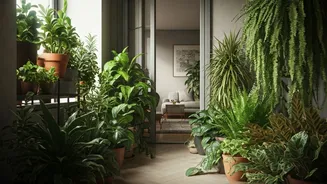
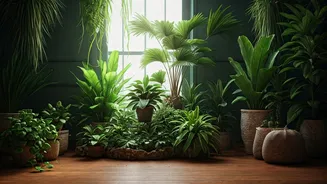
The easiest way to invite nature indoors is with plants. They are living, breathing additions that purify the air and add vibrant life to any corner. For busy urban dwellers in India, low-maintenance options are key. The Snake Plant is almost indestructible, thrives in low light, and releases oxygen at night, making it perfect for bedrooms. The humble Money Plant is a favourite in Indian households, easy to grow in both soil and water. Other robust choices include the ZZ Plant, which tolerates neglect, and the Areca Palm, which adds a lush, tropical feel to living rooms.
Embrace Natural, Earthy Materials
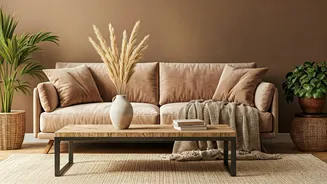
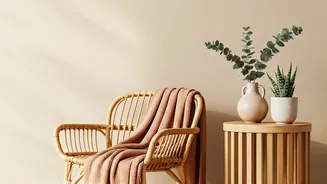
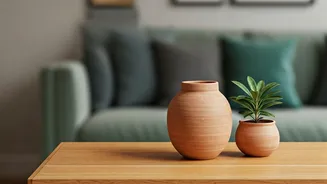
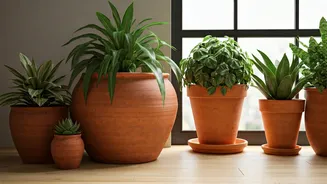
To counter the hard, artificial surfaces of the city, fill your home with natural textures. These materials add warmth, character, and a tactile sense of calm. Think about using jute or coir for rugs, cane or rattan for furniture accents and light fixtures, and reclaimed wood for tables or shelves. These materials are not only sustainable but are also deeply rooted in Indian design traditions. Terracotta pots, linen or cotton curtains, and stone accessories further enhance this earthy, grounded aesthetic, making your home feel more authentic and serene.
Choose a Calming Colour Palette
Colours have a profound psychological impact. To foster a peaceful environment, opt for a palette inspired by nature. Earthy tones like beige, terracotta, and soft browns create a grounding and stable atmosphere. Gentle shades of green and blue are known to be calming and restorative. Use these hues on walls or in textiles like cushions and curtains. The goal is to create a soft, harmonious backdrop that allows the mind to relax, rather than a jarring environment that overstimulates the senses.
Declutter for Mental Clarity
Physical clutter directly translates to mental clutter. A disorganised home bombards our brain with excessive stimuli, making it difficult to focus and relax. Studies have shown that living in a cluttered space can lead to increased levels of the stress hormone cortisol. The act of decluttering is about more than just tidying up; it's about making conscious decisions about what you truly need and value. Start small by tackling one drawer or shelf at a time. Creating clear, organised surfaces and open spaces gives your mind the visual quiet it needs to unwind and feel at peace.
Maximise Natural Light
Sunlight is a natural mood-lifter. Maximising the natural light in your apartment can dramatically change how it feels. If you have heavy curtains, swap them for sheer or light cotton drapes that allow light to filter through while maintaining privacy. Placing a large mirror opposite a window can help bounce light around the room, making it feel brighter and more expansive. Keeping window sills clear and furniture from blocking light sources are simple but effective ways to make your home feel more open, airy, and connected to the outdoors.