

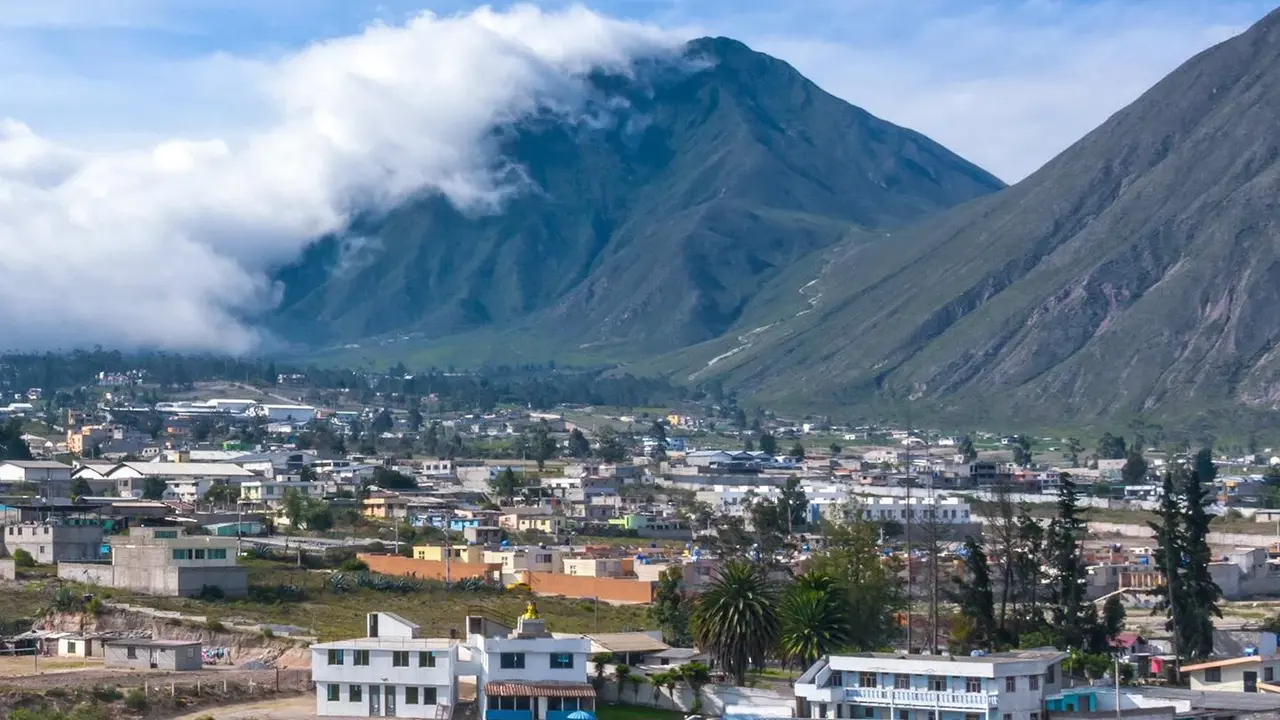

Ladakh: The Land of High Passes
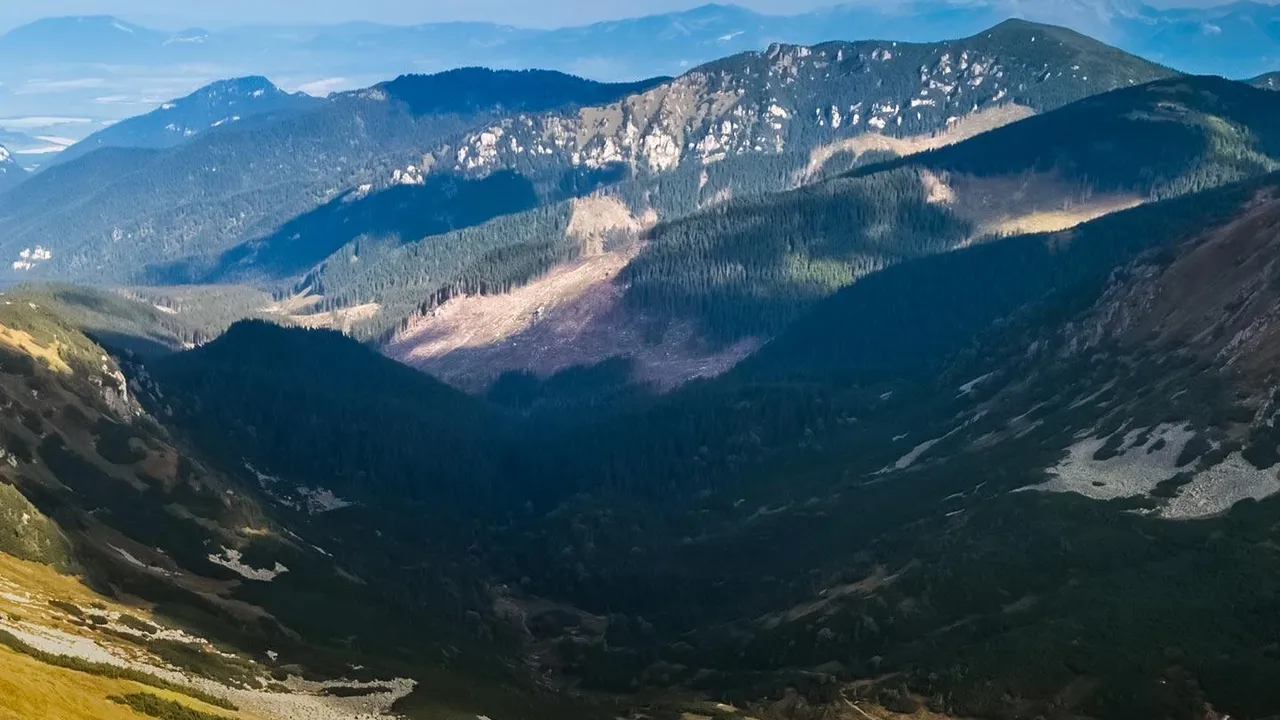
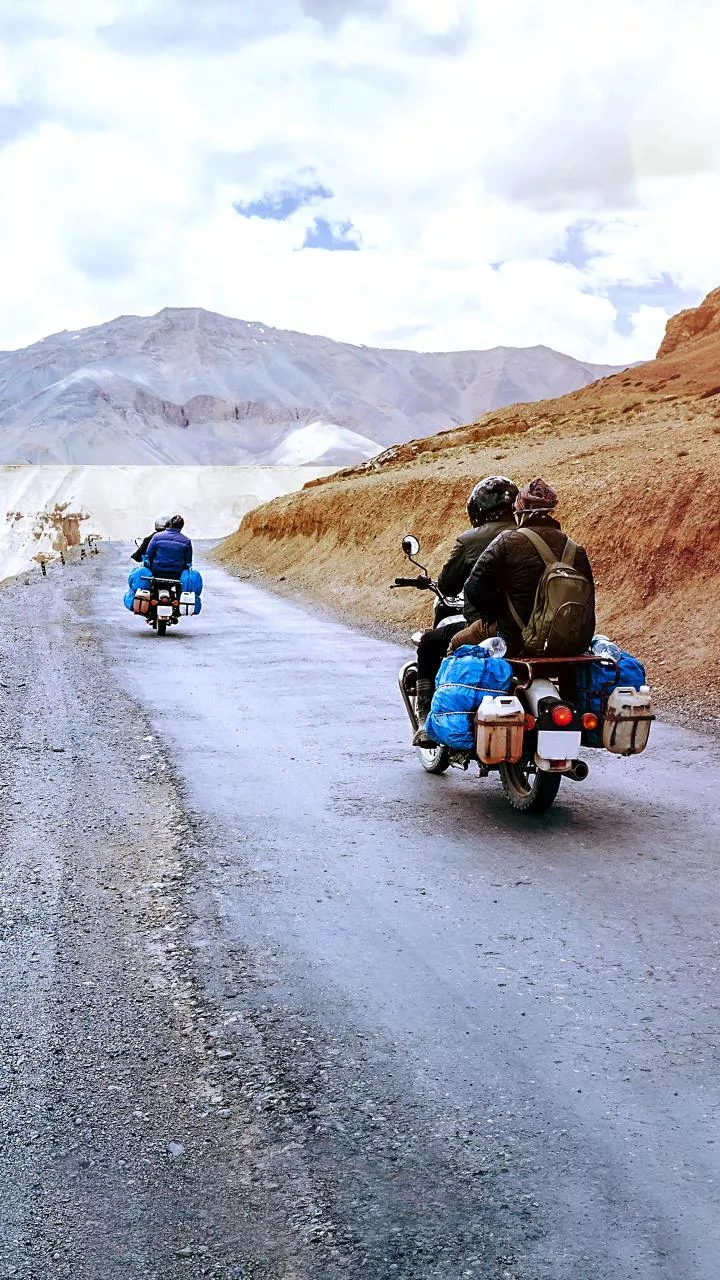
Often called the 'cold desert', Ladakh is the ultimate rain-avoiding destination. Protected by the mighty Himalayas which block most monsoon clouds, this region offers crystal-clear blue skies and brilliant sunshine in August. The weather is pleasant,
with daytime temperatures perfect for exploring. It's the ideal time for a road trip, with both the Manali-Leh and Srinagar-Leh highways generally open, though it's wise to check for any localised landslides on the approach routes. Once there, the dramatic landscapes of barren mountains, serene turquoise lakes like Pangong Tso, and the deep Nubra Valley await. Nature lovers can indulge in high-altitude trekking, river rafting on the Zanskar River, or simply soak in the otherworldly vistas from ancient Buddhist monasteries perched on hilltops.
Spiti Valley: A World Within a World
Much like its neighbour Ladakh, Spiti Valley in Himachal Pradesh is a rain-shadow region that remains largely dry throughout the monsoon season. August is considered one of the best months to visit, as the valley is fully accessible and the stark, lunar-like landscapes are occasionally softened by blooming wildflowers. The daytime weather is comfortable for sightseeing, though nights can get chilly. The journey to Spiti itself is an adventure, with rugged roads and stunning views. Inside the valley, you can explore some of the world's oldest monasteries, like Key and Tabo, visit remote high-altitude villages such as Kibber, and marvel at the surreal beauty of Chandratal Lake, the 'Moon Lake'. It offers a quieter, more raw alternative to Ladakh for those seeking solitude and dramatic natural beauty.
Tamil Nadu: The Rain-Shadow Retreat
While coastal and northeastern parts of India are at the peak of their monsoon, much of Tamil Nadu remains surprisingly dry. The state gets most of its rainfall during the retreating northeast monsoon later in the year, from October to December. This makes August a fantastic time to explore its natural and cultural treasures without heavy showers. You can head to hill stations like Kodaikanal or Ooty, which see pleasant weather and turn lush and green but receive less intense rainfall than their counterparts in Kerala or Karnataka. The plains and temple towns also remain accessible. For nature enthusiasts, this means enjoying serene lakes, pine forests, and scenic viewpoints in the hills or exploring the unique landscapes of the state with comfortable weather.
Mount Abu: Rajasthan’s Green Oasis
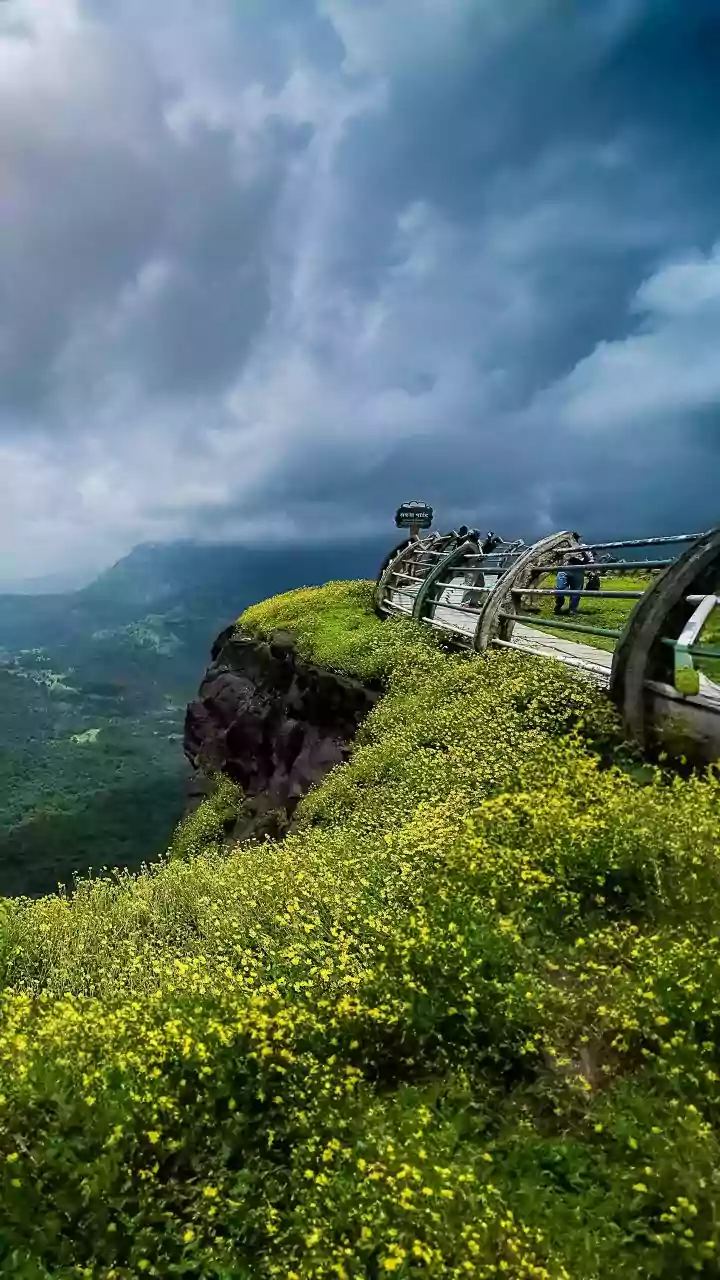
As the only hill station in the desert state of Rajasthan, Mount Abu offers a unique monsoon experience. While it does receive rainfall in August, it's generally moderate compared to other popular hill stations, transforming the arid Aravalli landscape into a lush, green paradise. The weather is cool and comfortable, making it ideal for exploring. The famous Nakki Lake is full and inviting for boating, and the surrounding hills are perfect for gentle treks and nature walks. Key attractions like the intricately carved Dilwara Temples are less crowded, and viewpoints such as Sunset Point offer misty, romantic vistas. It's an excellent choice for those looking for a refreshing natural escape that combines greenery with the cultural charm of Rajasthan, without the intense downpours found elsewhere.