





From Cardio-Centric to Strength-First
For decades, the Indian fitness landscape was dominated by the goal of subtraction: losing weight. This mindset translated into endless hours of cardio, crash diets, and an overarching focus on being thin. [19] However, a significant philosophical shift
is underway. The narrative is no longer just about shedding kilos but about adding strength, muscle, and energy. [19] Functional training, which mimics real-life movements, is rapidly replacing rows of isolated machines in gyms. [12] This move from a cardio-centric culture to a strength-first approach is being driven by a more informed, post-pandemic generation that views health as a long-term investment. [12, 19]
The Influence of Celebrities and Social Media
A major catalyst for this trend is the powerful influence of social media and Bollywood. [7] Fitness influencers and celebrity trainers are making strength training look aspirational and, more importantly, accessible. [10] Trainers like Prashant Sawant, known for transforming actors like Shah Rukh Khan and Varun Dhawan, have made building a strong, functional body a mainstream goal. [14, 17] When people see stars and influencers sharing their weight training regimens, it demystifies the practice and encourages them to start their own journey. [7] This digital wave has been particularly effective in breaking down old stereotypes, with a notable focus on strength training for women, empowering them to build stronger, more confident bodies. [9]
A New Definition of Health
The growing popularity of strength training is also tied to a more sophisticated understanding of health that goes beyond aesthetics. There's a rising awareness of its profound benefits for longevity and disease prevention. [6, 31] Experts now widely promote resistance training for its role in improving bone density, which is crucial for preventing osteoporosis, especially in women. [25] Furthermore, it is a powerful tool for improving metabolic health, building a higher resting metabolic rate, and reducing the risk of chronic diseases like type 2 diabetes and heart conditions. [31, 20] This focus on "active aging" means people are now training for their 80s, not just for the summer. [6, 18]
The Rise of Accessible Gyms and Fitness Communities
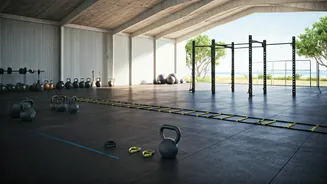
The physical infrastructure for fitness in India has evolved dramatically. The proliferation of gyms, from high-end international chains to affordable neighbourhood centres, has made equipment and training more accessible than ever. [4] This growth is a key factor accommodating a rising number of fitness enthusiasts. [9] Reports project that the number of fitness facility members in India is set to nearly double from 12.3 million in 2024 to 23.3 million by 2030. [16, 22] Beyond just providing space, many gyms are now fostering a sense of community, becoming a "third space" between home and work where people connect through group strength circuits and other social fitness activities. [6]
Empowerment and a Shift in Mindset
At its core, the strength training boom is about empowerment. In a post-pandemic world where many feel a lack of control, the act of physically getting stronger offers a tangible sense of achievement and self-reliance. [19] For many, especially women, lifting weights has become a way to feel more confident and independent. [9] This movement represents a departure from the old aesthetic ideals towards something more functional and personally meaningful. The goal is no longer just to look a certain way, but to build a body that is resilient, capable, and ready for life's challenges. It's a holistic shift from fitness as a chore to fitness as a celebration of what the body can achieve.