

First Steps: Visas and Essentials
Before you even pack your bags, let's talk logistics. For Indian citizens, both Laos and Cambodia offer relatively straightforward visa processes. You can get a tourist visa on arrival for both countries, or apply for an e-Visa online in advance to save
time at the border. The e-Visa is often recommended. For a visa on arrival, you'll typically need a passport with at least six months of validity, passport-sized photos, and the visa fee in US dollars. It's also wise to check for any required vaccinations and pack a basic first-aid kit. Remember that while these countries are incredibly welcoming, it's essential to have travel insurance for peace of mind.
Crafting Your Overland Route
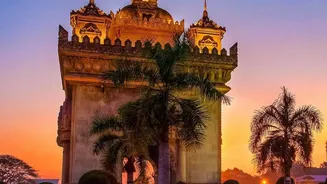
A popular and logical route starts in northern Laos and snakes its way south into Cambodia. Begin in the UNESCO World Heritage city of Luang Prabang, known for its serene temples and the stunning Kuang Si Falls. From there, travel south to Vang Vieng, which has transformed from a party hub into an eco-adventure paradise perfect for hiking and kayaking. Next, head to the capital, Vientiane, before continuing to the 4,000 Islands (Si Phan Don) region in southern Laos. This relaxed archipelago on the Mekong River is the perfect final stop before you cross the border into Cambodia.
The Laos-Cambodia Border Crossing
The most common overland crossing for backpackers is the Nong Nok Khiene (Laos) to Tropaeng Kreal (Cambodia) border. You can typically buy a single bus ticket from places like Pakse or Don Det in Laos that will take you all the way to Siem Reap or Phnom Penh in Cambodia. Be aware that a 'direct' bus often involves switching vehicles after the border. While stories of scams or unofficial 'fees' exist, the process is generally straightforward. Keep your visa paperwork handy, have some small US dollar bills, and stay patient. Remember that Cambodia’s e-Visa is accepted at this land checkpoint, which can simplify the process.
Your Daily Budget Breakdown
Laos and Cambodia are famously kind to the backpacker wallet. A shoestring budget can be as low as $25-$35 USD per day. A more comfortable but still budget-conscious trip can be managed for around $40 USD daily. Your biggest expenses will be accommodation, food, transport, and activities. Sticking to street food stalls and local markets is not only cheap but also a delicious way to experience the culture. Overnight buses are a classic backpacker move, saving you money on a night's accommodation while covering long distances.
Sleep Smart: Hostels are Key
For budget and socialising, hostels are your best friend in Southeast Asia. They are plentiful, cheap, and a fantastic way to meet other travellers. In cities like Luang Prabang, Siem Reap, and Vang Vieng, you'll find everything from chill, resort-style hostels with pools to lively party hostels. Many hostels like Mad Monkey and The Jam offer pod-style dorms for extra privacy, cafes, bars, and can help you book tours and transport. A dorm bed can cost as little as $5-$10 per night, forming the cornerstone of your low-cost travel strategy.
Beyond the Temples: Gen Z Experiences
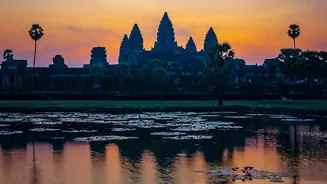
While Angkor Wat in Siem Reap is a non-negotiable, bucket-list highlight, there's so much more to see. In Laos, participate in the morning alms-giving ceremony in Luang Prabang, explore caves in Vang Vieng, or learn about rice cultivation at a community farm. In Cambodia, after exploring the temples, discover the thriving arts scene and cool cafes in Phnom Penh or head south to the islands of Koh Rong Sanloem for beach time. Look for ethical animal encounters, like visiting a bear rescue centre near Kuang Si Falls or the Laos Buffalo Dairy, a social enterprise. These experiences provide great content and a deeper connection to the places you visit.