

The Allure of Natural Planters
Gardeners are increasingly choosing pots made from coconut fibre, often called coir pots, for good reason. They are crafted from the fibrous husks of coconuts, a renewable byproduct of the coconut industry, which makes them a fantastic sustainable choice.
Beyond their eco-credentials, these pots are great for plants. Their breathable walls allow air to reach the roots, preventing them from circling and binding as they often do in plastic pots. This benefit truly shines when it’s time to transplant seedlings. Because the entire pot can be planted directly into the ground, there is no need to disturb the delicate root system, which significantly reduces transplant shock and helps young plants thrive.
Understanding Their Lifespan
The main question for anyone using coir pots is, “How long will they last?” There’s no single answer, as the lifespan depends heavily on the environment. Generally, you can expect a coir pot to remain structurally sound for anywhere from six months to two years. Pots used indoors or in sheltered locations will last longer, while those exposed to heavy rain and direct sun will break down more quickly. The frequency of watering also plays a role; constantly saturated pots will decompose faster than those that are allowed to dry out slightly between waterings. This natural breakdown is the entire point, but knowing the timeline helps you prepare.
Signs It’s Time for a Change
Knowing when a coir pot is nearing the end of its life is key to a smooth transition for your plants. You don’t need to wait for a catastrophic collapse. Look for subtle signs of decomposition. The pot may start to feel soft or spongy, especially near the bottom. You might notice small cracks appearing or see the fibrous texture begin to look fragmented and brittle. In some cases, you may see mold; small patches of white or grey fungi are a normal part of the microbial breakdown process, but black or slimy mold can be a sign of overwatering. Seeing roots poke through the sides is often a positive sign of a healthy, growing plant, and an excellent indicator that it’s ready to be planted into a larger space, pot and all.
Your Step-by-Step Replacement Strategy
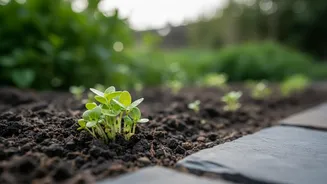
When your coir pot shows signs of wear, the best and most common strategy is to plant it directly into your garden or a larger container. This approach minimizes root disturbance and enriches the soil as the pot decomposes. For best results, score the bottom and sides of the coir pot with a knife to give roots an easier exit path. Dig a hole large enough to accommodate the entire pot and place it inside, ensuring the top rim of the coir pot is completely buried beneath the soil level. If the rim is left exposed to the air, it can act like a wick, pulling moisture away from the plant's roots. Water the area thoroughly after planting to help the pot’s fibres soften and begin to integrate with the surrounding soil.
Closing the Loop: Composting Old Pots
What if you aren’t transplanting into the ground and simply need to repot into a fresh container? In this case, the old, worn-out coir pot has one final role to play in your sustainable garden: becoming compost. Instead of throwing it in the bin, break the old pot into smaller pieces and add it to your compost pile. As a carbon-rich “brown” material, coconut coir helps improve the structure and aeration of your compost. It decomposes gradually, adding valuable organic matter that will eventually become nutrient-rich fertiliser for the rest of your garden. This completes the lifecycle, turning waste from one plant into food for another.