




The Fasting Pantry: Core Ingredients
During the nine nights of Navratri, many devotees abstain from grains like wheat and rice, lentils, onions, and garlic. Instead, the fast-friendly pantry is stocked with a unique set of ingredients. Flours such as kuttu (buckwheat), singhara (water chestnut),
and rajgira (amaranth) become staples for making breads. For a rice substitute, many turn to samak ke chawal (barnyard millet). Sabudana (tapioca pearls) and makhana (fox nuts) are also key components, used in a variety of dishes. Vegetables like potatoes, sweet potatoes, pumpkin, and bottle gourd are widely used, and meals are seasoned with sendha namak (rock salt) instead of regular table salt.
The North Indian Vrat Thali
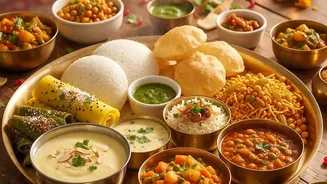
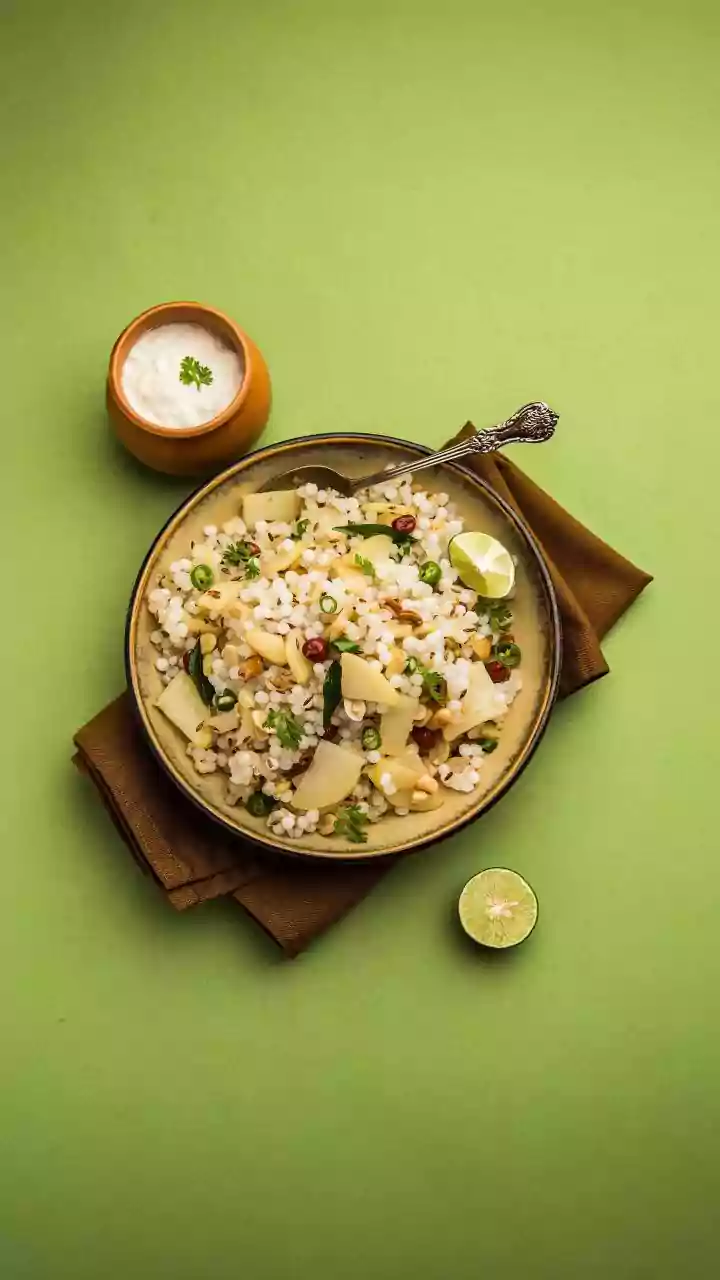
In North India, a typical Navratri thali is a hearty and flavourful affair. A centerpiece is often Kuttu ki Puri, a deep-fried bread made from buckwheat flour, paired with a simple yet delicious Aloo Tamatar Sabzi (potato and tomato curry). Another popular dish is Sabudana Khichdi, a comforting preparation of soaked tapioca pearls sautéed with peanuts and mild spices. For a complete meal, you might also find Paneer Makhana Curry, which is rich and creamy, and a side of fresh fruit salad or a cooling cucumber raita. These dishes are designed to be energising, providing sustenance through the day.
Western India's Fasting Favourites
In states like Maharashtra and Gujarat, Navratri fasting has its own distinct flavours, perfectly suited for fuelling nights of Garba and Dandiya. In Maharashtra, Sabudana Vada is an iconic snack, crispy on the outside and soft inside, often served with a peanut chutney. Sabudana Khichdi is also a beloved staple. In Gujarat, you might find dishes like Farali Pattice (a potato and arrowroot flour patty stuffed with coconut and nuts) and a sweet-and-sour pumpkin curry. Sweets like Singhaare ka Halwa (water chestnut flour sweet) and various kheers round out the meal.
Flavours from the South and East
While elaborate fasting thalis are more common in the north and west, South India and Bengal have their own unique culinary traditions for the festival. In the South, instead of a grain-free fast, the focus is often on offering 'sundal' as prasad. Sundal is a simple and protein-rich dish made from legumes like chickpeas or peanuts, seasoned with mustard seeds and coconut. Sweet offerings include Nei Payasam, made with rice, jaggery, and ghee. In Bengal, Navratri coincides with Durga Puja, which is a time for feasting rather than fasting for most. A special 'bhog' of khichuri (made with rice and lentils), labra (a mixed vegetable dish), and payesh (rice pudding) is offered to the goddess and shared among devotees.
Snacks, Sweets, and Drinks
Beyond the main courses, a Navratri plate is often adorned with a variety of snacks and sweets. Roasted makhana (fox nuts) are a light and crunchy snack. Fruit chaat, a mix of seasonal fruits with a sprinkle of rock salt and pepper, is both refreshing and hydrating. For those with a sweet tooth, there is no shortage of options. Makhana Kheer and Lauki ki Kheer (bottle gourd pudding) are popular desserts. Sabudana Kheer is another common treat. To drink, lassi, buttermilk (chaas), and fresh fruit juices are popular choices to stay hydrated and energised.








