

The Heart of the Matter: Rice and Milk
At its core, phirni is a deceptively simple pudding that originated in Mughal kitchens. Unlike kheer, which uses whole rice grains, phirni is defined by its use of ground rice. This single difference is what gives phirni its uniquely smooth yet slightly
grainy texture. The choice of rice is important; fragrant Basmati is traditional, as it lends a subtle aroma to the final dish. Equally critical is the milk. For a truly rich and creamy result, full-fat milk is non-negotiable. It provides the necessary fat content that reduces down to create a luscious, decadent base that simply cannot be achieved with low-fat alternatives. The combination of ground rice and rich milk is what sets the stage for a perfect phirni.
The Secret is in the Grind
Before you even turn on the stove, the most crucial step is preparing the rice. After soaking for about 30 minutes to an hour, the rice is drained and ground. The goal is not a fine powder but a coarse, semolina-like (sooji) texture. Over-grinding will result in a pasty, gluey dessert, while under-grinding will leave you with hard, uncooked bits. This specific consistency is the key to phirni’s signature texture. A common technique is to mix this rice paste with a small amount of cold milk before adding it to the pot. This simple step helps prevent lumps from forming when the rice meets the hot milk, ensuring a smooth cooking process from the start.
Patience and the Art of Slow Cooking
Making phirni is a lesson in patience. The process cannot be rushed. Once the rice paste is added to the simmering milk, the heat should be kept on low to medium. Continuous stirring, especially in the initial stages, is essential to prevent the rice from sticking to the bottom of the pan and burning. As the mixture cooks, the milk will gradually thicken as the rice granules swell and release their starch. This slow-cooking method allows the flavours to meld and develop, transforming the simple ingredients into something truly special. You’ll know it’s nearing completion when the mixture coats the back of a spoon. Remember, the phirni will thicken considerably as it cools, so it’s best to take it off the heat when it’s still slightly looser than your desired final consistency.
Welcoming the Star: The Sitaphal
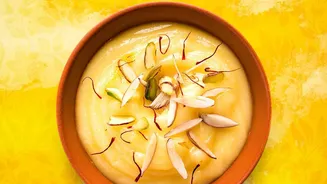
Now for the hero ingredient. The delicate flavour of Sitaphal, or custard apple, is best preserved by adding it at the right moment. After the phirni base is cooked and has cooled down slightly, the fresh, de_seeded custard apple pulp is gently folded in. Adding the pulp while the phirni is still piping hot can risk curdling the milk or 'cooking' the fruit, which would destroy its fresh, aromatic quality. The natural sweetness of the Sitaphal also means you can be mindful with the sugar. A hint of cardamom powder is often added at this stage to complement the fruit without overpowering it.
The Traditional Finish in Earthen Bowls
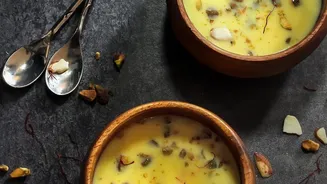
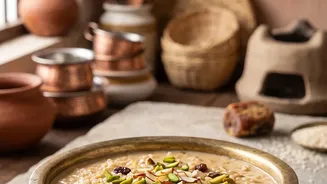
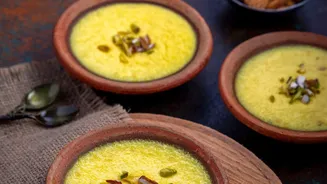
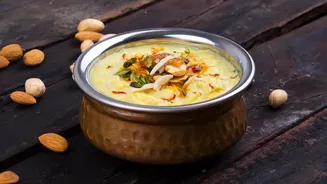
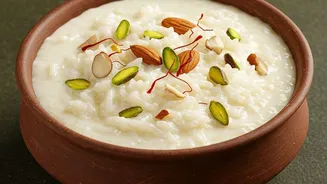
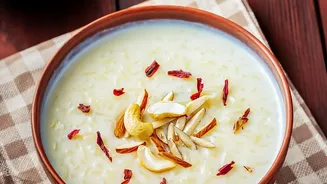
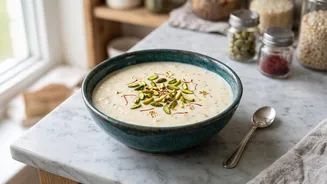
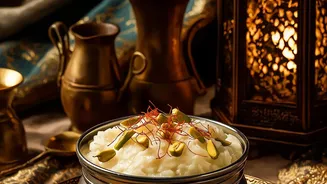
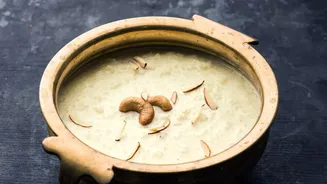
The final touch in a traditional phirni experience is the serving vessel. Phirni is almost always set and served chilled in small, unglazed earthen bowls called 'shikoras' or 'matkas'. This isn’t just for aesthetics. The porous clay absorbs excess moisture from the pudding, helping it to set to a thicker, firmer consistency. It also imparts a subtle, earthy aroma that beautifully complements the creamy sweetness of the dessert. Once poured intothe bowls,the phirniis chilled inthe refrigerator for several hours until completely set. Garnished with slivered pistachios or almonds, it’s a dessert that is as beautiful as it is delicious.