






The Economic Reality Check
The backdrop to the 2026 festive season is one of persistent economic pressure. Rising inflation, particularly in essential categories like food and fuel, has left many urban households with less disposable income. A survey by LocalCircles highlights
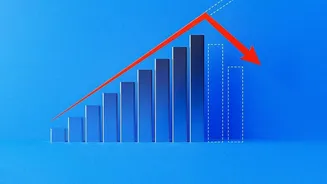
this trend, projecting a 6% drop in total urban festive spending to ₹1.97 lakh crore from ₹2.10 lakh crore in 2025. This isn't because the festive spirit has dimmed, but because household budgets are being stretched. Concerns over job security and global economic uncertainties are also playing a part, nudging consumers toward saving rather than splurging. According to one report, while financial well-being remains stable for many, the willingness to make large, big-ticket purchases has noticeably weakened.
From Big Splurges to Smart Buys
So, how is this caution manifesting in shopping aisles and online carts? The key theme is a pivot to 'value'. Consumers are not necessarily buying less, but they are buying more deliberately. A YouGov India report found that 26% of consumers plan to stick to their usual budget but shop more carefully, while another 23% are actively cutting back on non-essentials. This translates to several behavioural shifts. Shoppers are meticulously comparing prices, hunting for the best deals, and prioritizing product quality and utility over brand names alone. Many are opting for smaller gift packages, exchanging old gold for new items instead of buying outright, and focusing on practical purchases like apparel and home appliances over pure luxury goods. While fashion remains the top shopping category, the average spend per purchase is under scrutiny.
E-commerce Adapts to the Cautious Shopper
Online retail platforms, a major engine of festive sales, are responding to this new consumer mindset. While early sales data for the 2026 season shows strong user engagement and order volumes, especially from Tier-2 and Tier-3 cities, the nature of the transactions is changing. Discounts and affordability schemes are more crucial than ever. A significant number of shoppers cite deals and easy EMI options as primary drivers for their purchases. Retailers are extending their sale periods, offering early-bird deals to capture spending before the peak rush. This strategy helps consumers spread out their expenses and allows retailers to manage inventory and logistics more effectively. The focus is less on impulse buys and more on planned purchases facilitated by attractive financing and clear value propositions.
Experiences and Premiumisation Find Their Place
Despite the overarching caution, spending hasn't ground to a halt. In fact, it's being redirected. A notable trend is the continued strength in spending on experiences. While they might cut back on a new gadget, families are still willing to spend on travel, dining out, and other memorable activities. This reflects a 'premiumisation' trend in services, where consumers are willing to pay for quality experiences after a period of being home-bound. Even in product categories, a segment of consumers continues to seek premium goods, suggesting a split market. While the majority focuses on value, those with stable incomes are still upgrading, particularly in categories like electronics and smartphones. Retailers are thus facing a dual challenge: catering to the budget-conscious majority while also serving the aspirational needs of a smaller, but still significant, group.