

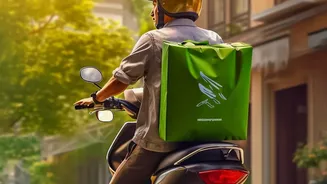

When the most anticipated video game in a decade arrives, the world doesn't just stop to play—it stops to eat. The launch of Grand Theft Auto VI is more than a cultural moment; it's a major economic event with a surprising impact on city life.
The Great Indoors
On November
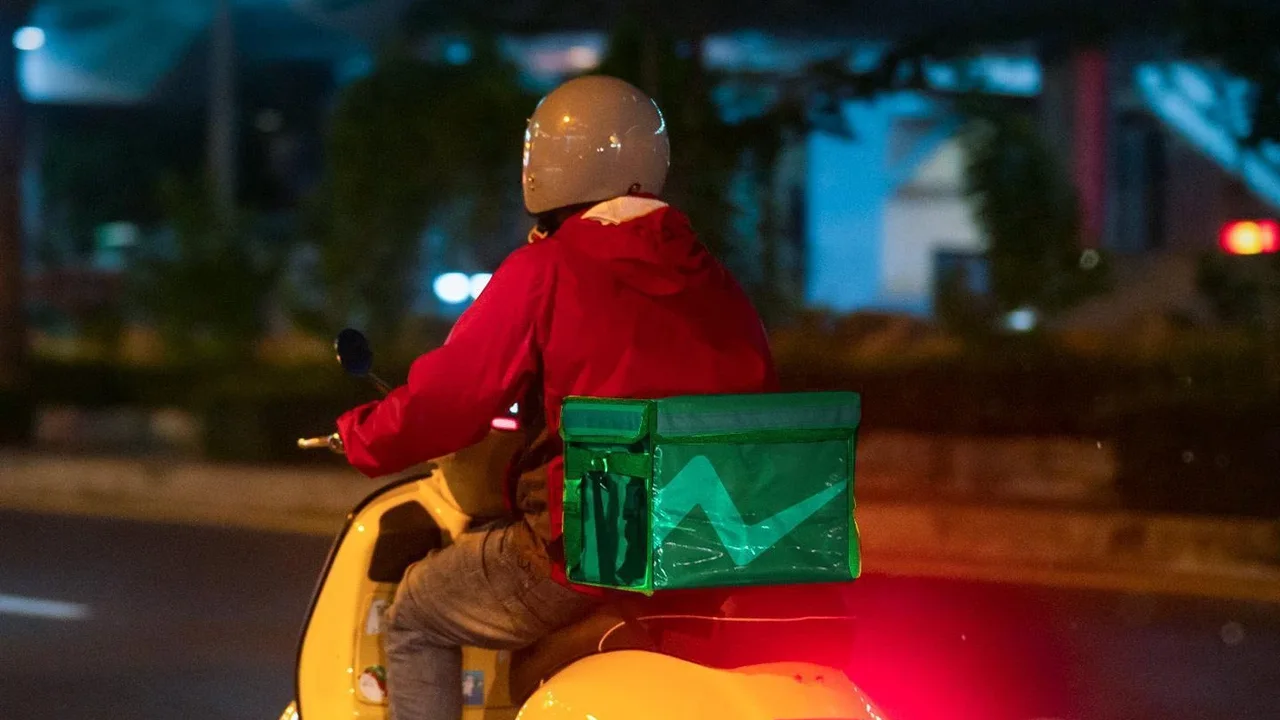
19, 2026, millions of people effectively disappeared from public life. They didn't go on vacation or leave town. They just went home, closed the blinds, and booted up their consoles. The release of Grand Theft Auto VI, the first new entry in the blockbuster series in over a decade, triggered a phenomenon observers call 'gaming hibernation'. For the first few days—and in many cases, weeks—a significant portion of the population reoriented their lives around the fictional state of Leonida. This mass voluntary lockdown has a fascinating and predictable side effect: a massive surge in demand for food that can be ordered online and eaten with one hand. Food delivery services have become the unofficial support crew for this cultural marathon, keeping players fueled as they dive into the game's sprawling world.
A Predictable Windfall
This isn't a new trend, but GTA VI has amplified it to an unprecedented scale. Major entertainment events, from the Super Bowl to season finales of hit shows, have long been known to cause spikes in delivery orders. But the immersive, multi-day commitment required by a game like Grand Theft Auto creates a more sustained demand. Market intelligence firm Sensor Tower forecasted that the game's launch would drive 50 million extra visits to food delivery apps in the United States within the first 30 days. On launch night alone, DoorDash reported that orders for items like chips, burgers, fries, and pizza rose more than 10%, while energy drink orders jumped over 20%. Uber Eats saw a similar pattern, with a notable 30% increase in orders in Miami—the real-world inspiration for the game's Vice City.
The One-Handed Meal
Delivery platforms didn't just wait for the orders to roll in; they actively prepared for the surge. Understanding that players wouldn't want to put their controllers down, services like Uber Eats specifically curated deals around 'one-handed' foods. Promotions on items like chicken nuggets, boneless wings, and pizza slices were designed for maximum convenience during uninterrupted gameplay. The most popular items tell a story of their own. Nationwide, Uber Eats saw orders for Totino's Pizza Rolls climb 54% and Red Bull Watermelon rise by 95%. Meanwhile, DoorDash saw a staggering 450% increase in orders for gaming accessories like controllers and a 440% jump for HDMI cables, proving that players weren't just ordering dinner, but also upgrading their setups for the long haul.
More Than Just a Game
The economic ripple effects extend beyond a few busy nights for delivery drivers. The launch of GTA VI was so significant that it impacted workplace attendance across the country. One survey found that 18% of full-time American employees planned to take the day off for the game's release. Data from HR platforms showed a nearly 13% spike in paid-time-off requests compared to previous years. This collective decision to stay home and play reshapes local economies temporarily. Money that might have been spent on commuting, grabbing lunch near the office, or going out for dinner is redirected toward digital purchases and at-home convenience. With day-one retail sales for the game reaching a record-shattering $3.79 billion, GTA VI is not just a product; it's a micro-economy of its own.