


Why Extra Caution Is Needed
The high humidity during the monsoon is a perfect breeding ground for bacteria and mould, causing food to spoil faster. Mushrooms, with their high water content, are particularly susceptible. They can absorb moisture and contaminants from the environment,
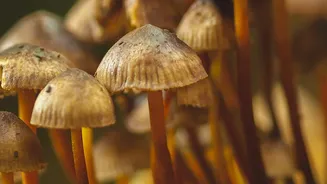
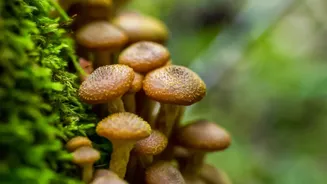
leading to rapid decay. The most significant danger, however, comes from wild mushrooms. The rainy season encourages many varieties to sprout, and some poisonous types look dangerously similar to edible ones. Incidents of mushroom poisoning, sometimes with fatal outcomes, often increase during this period.
Rule One: Identification Is Everything
Unless you are a trained mycologist or an expert forager, do not pick and eat mushrooms from the wild. Many poisonous mushrooms are mistaken for edible varieties, a common cause of poisoning. For example, the deadly Death Cap mushroom can be confused with the edible Paddy Straw mushroom. There is no simple home test to tell if a mushroom is safe; traditional beliefs about colour or smell are unreliable. Cooking or drying does not always destroy the potent toxins in poisonous fungi. The safest choice is always to buy mushrooms from a reputable supermarket, greengrocer, or a trusted local vendor who sells cultivated varieties.
How to Select the Best Mushrooms
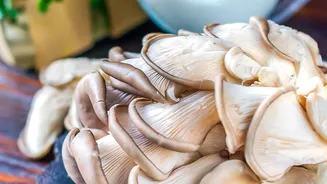
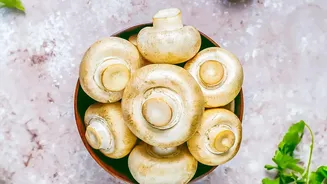
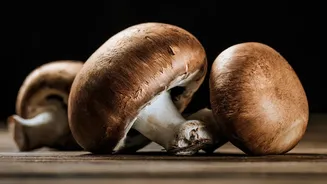
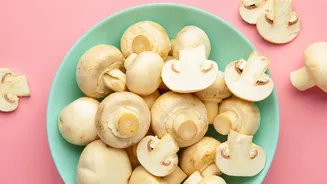
Whether you are buying button mushrooms or a more exotic variety, inspect them carefully. Fresh, safe-to-eat mushrooms should feel firm and dry, not soft or mushy. Look for a uniform colour and avoid any with dark spots, blemishes, or a slimy film. A fresh mushroom should have a pleasant, earthy smell. If it has a strong, unpleasant, or fishy odour, it is a clear sign of spoilage and should be discarded immediately. It's best to buy only what you need and use them quickly, as their shelf life is short, especially in damp weather.
The Proper Cleaning Protocol
Because they are like sponges, mushrooms should not be soaked in water for cleaning. Soaking makes them waterlogged, resulting in a slimy texture when cooked. The best way to clean them is to use a soft brush or a damp paper towel to wipe away any dirt. If they are particularly dirty, give them a quick rinse under cold running water and immediately pat them completely dry with a cloth or paper towel. It is crucial to clean mushrooms just before you plan to cook them; washing them beforehand and then storing them can accelerate spoilage.
Cook Thoroughly for Maximum Safety
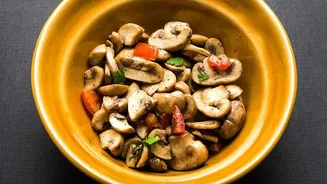
Always cook mushrooms thoroughly before eating. Cooking helps destroy many harmful bacteria and microorganisms that might be present, especially given the high humidity of the monsoon season. While heat improves digestibility, it's important to remember that it will not neutralize the potent toxins found in truly poisonous mushroom species. Methods like sautéing, roasting, or adding them to stews and curries are great ways to ensure they are well-cooked. Avoid consuming raw mushrooms, particularly during the rainy season, to minimize the risk of foodborne illnesses.
Recognise the Warning Signs
Mushroom poisoning symptoms can range from mild gastrointestinal distress to severe, life-threatening conditions. Common early symptoms include nausea, vomiting, abdominal cramps, and diarrhoea, which can appear anywhere from 20 minutes to several hours after consumption. In some severe cases, especially with toxic wild varieties like Amanita, symptoms may be delayed for more than six hours and can lead to liver or kidney failure. If you suspect you have eaten a poisonous mushroom, do not wait for symptoms to appear. Seek medical help immediately.