





Why Separation Is Not Negotiable
Most damage to jewellery happens during storage, not while you're wearing it. Gold-plated and artificial (or costume) jewellery are particularly vulnerable. Gold plating is a very thin layer of gold applied over a base metal like brass, copper, or stainless
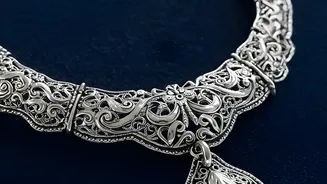
steel. This layer is susceptible to being scratched or rubbed off, exposing the metal underneath. Artificial jewellery is often made from softer alloys or materials that can easily be marked. When different pieces are stored together, harder materials like gemstones (especially diamonds), chunky clasps, and even the edges of other metal pieces can act like an abrasive, causing scratches, dents, and accelerated wear. Storing pieces separately is the single most effective way to prevent this contact damage.
The Golden Rules of Organisation
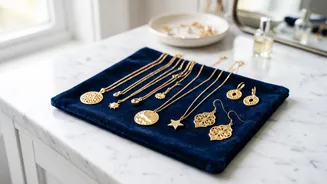
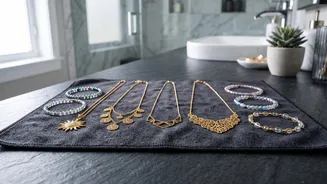
The core principle of safe jewellery storage is to keep like with like and to ensure individual pieces do not touch. Start by categorising your collection. Group necklaces together, rings in another section, and so on. Within those categories, further separation is crucial. Store fine jewellery separately from costume jewellery, as different metal qualities can react with each other and cause tarnishing. Pay special attention to pieces with hard gemstones like diamonds, which can easily scratch any metal they come into contact with; they should always be stored alone. Fastening the clasps on necklaces and bracelets before storing them is a simple habit that dramatically reduces the chance of them tangling with other items.
Smart and Simple Storage Solutions
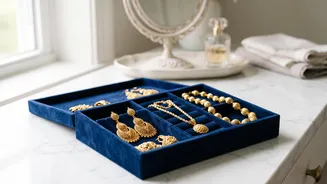
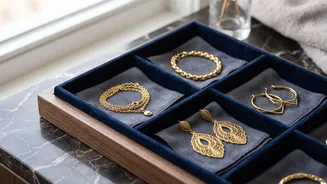
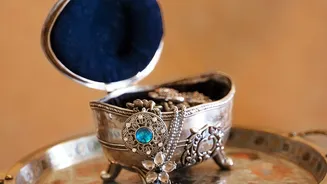
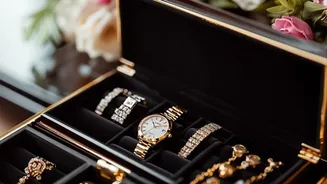
You don’t need an elaborate system to protect your accessories. The goal is to give each piece its own space. Soft pouches made of velvet or microfibre are an excellent and affordable option, providing a cushion that prevents scratches. Jewellery boxes with built-in, fabric-lined compartments are another great solution for keeping items organised and separated. Look for boxes with different sections for rings, earrings, and bracelets. For necklaces, which are prone to tangling, a hanging organiser or a box with hooks is ideal, as it allows them to hang vertically. For a DIY approach, even simple items like ice cube trays or egg cartons can be repurposed as drawer dividers to give each piece its own compartment.
Beyond the Jewellery Box: Daily Habits
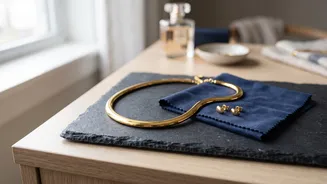
Proper storage is just one part of jewellery care. Your daily habits also play a significant role in the longevity of your pieces. A good rule of thumb is the 'last on, first off' principle. Put your jewellery on only after you have applied lotions, perfumes, makeup, and hairspray, as the chemicals in these products can damage the plating. Similarly, make it a habit to take your jewellery off first thing when you get home. It’s also vital to remove accessories before showering, swimming, or exercising. Both moisture and sweat can accelerate tarnishing, especially on gold-plated items where the base metal can begin to oxidise. After each wear, gently wipe your jewellery with a soft, dry cloth to remove oils and residue before putting it away.
Caring for Different Materials
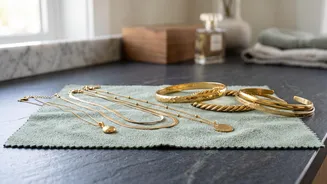
While the principle of separation applies to all jewellery, some materials need extra attention. Gold-plated pieces are sensitive to abrasion, so avoid using harsh chemicals or abrasive cloths for cleaning; a gentle wipe with a soft, dry cloth is usually sufficient. Do not mistake worn plating for tarnish that can be polished away—scrubbing will only remove more of the gold layer. Costume jewellery can be made from a wide variety of unknown metals and may have glued-on stones. For this reason, you should avoid soaking these pieces in water or cleaning solutions, as moisture can weaken adhesives and cause unforeseen chemical reactions with the base metals. When in doubt, a gentle dry wipe is always the safest method.