



From Panic to Plan: A New Mindset
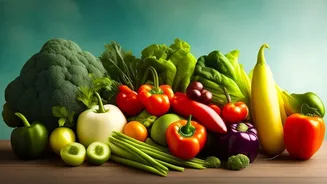
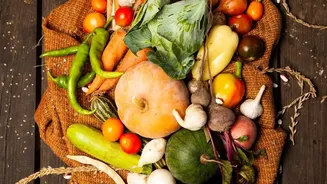
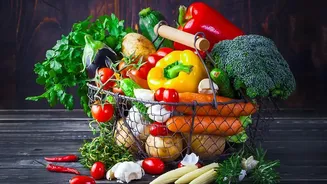
The arrival of a Community Supported Agriculture (CSA) or veg box is often met with a mix of excitement and anxiety. The sheer volume can be overwhelming, and the fear of waste looms large. Many people know to use leafy greens and soft herbs first, but
a truly efficient system involves more than just a simple 'first-in, first-out' approach based on perishability. The real secret is to think like a chef and create a workflow. This means sorting your produce not just by how quickly it will spoil, but by how and when you plan to use it. By laying everything out and grouping items strategically, you can create building blocks for meals throughout the week. This transforms your box from a random assortment of vegetables into a personalized meal kit.
The Three-Tier Triage System
A better way to organize your haul is a three-tier system: 'Eat Now,' 'Use Mid-Week,' and 'Hardy & Hearty.' This method accounts for both spoilage rates and your own cooking habits.
Tier 1: Eat Now (Days 1-3)
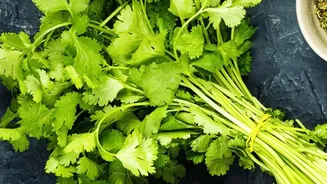
These are the highly perishable items that lose their vibrancy quickly. Proper storage is critical. Think delicate salad greens, spinach, fresh herbs like basil and cilantro, berries, and vegetables with high water content like mushrooms and summer squash. Asparagus and broccoli also fall into this category, as their flavour is best within the first few days. Plan meals like big salads, quick sautés, or omelettes for the first couple of days after your box arrives to use these up.
Tier 2: Use Mid-Week (Days 4-6)
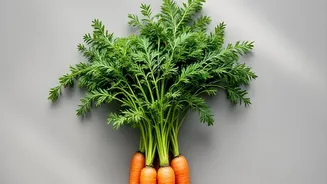
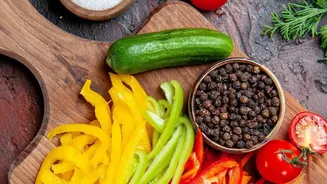
This group includes moderately sturdy vegetables that hold up well for several days. This tier often features head lettuce, cooking greens like kale and chard, bell peppers, cucumbers, and green beans. Root vegetables that still have their greens attached, like beets or carrots, should have their tops removed and used separately (the tops are Tier 1!), while the roots themselves move to this mid-range category.
Tier 3: Hardy & Hearty (Week 2 and beyond)
These are your long-haul vegetables, the ones that give you breathing room. This category includes potatoes, onions, garlic, carrots, beets, cabbage, and all varieties of winter squash. When stored correctly in a cool, dark, and well-ventilated space, these items can last for weeks, sometimes even months, forming the backbone of future meals when the crisper drawer starts looking empty.
Strategic Storage Is Everything
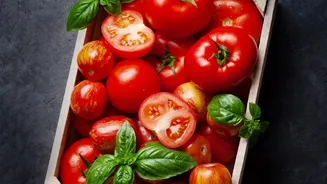
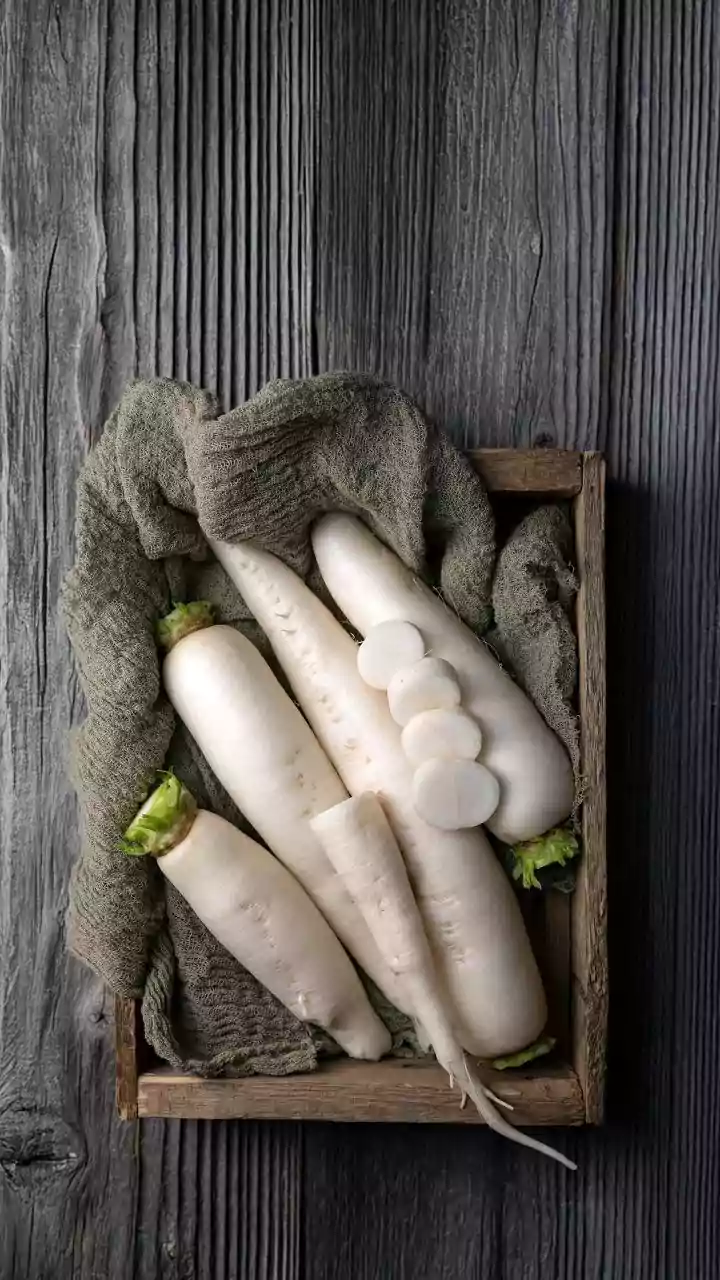
How you store your vegetables is as important as the order in which you eat them. Never wash produce until you're ready to use it, as excess moisture encourages mould. For leafy greens, washing and drying them thoroughly before storing them in a container in the fridge can make them easier to use quickly. Herbs can be kept fresh by placing their stems in a jar of water like a bouquet. Root vegetables like carrots and radishes stay crisper longer if you remove their leafy tops, which draw moisture from the root. And remember, some items should never be refrigerated, including tomatoes, onions, garlic, potatoes, and winter squash. Storing them on a cool counter or in a pantry preserves their texture and flavour.
The Power of 'Prep-Ahead'
One of the most effective strategies is to 'process' a portion of your box on day one. This doesn't mean you have to cook everything, but a little prep goes a long way. Roasting a big tray of vegetables like sweet potatoes, carrots, and squash creates a versatile component you can add to salads, bowls, or frittatas all week. Chopping sturdy vegetables like carrots and peppers and storing them in water keeps them crisp for snacking. You can also make a 'flavour base' by sautéing onions, garlic, and mushrooms to have on hand for quick pasta sauces or soups. Turning a large bunch of basil or radish greens into pesto that you can freeze is another excellent way to preserve flavour and prevent waste.
Think in Components, Not Just Recipes
Instead of scrambling to find a recipe for every single item, think about creating versatile components. Your goal is to have a fridge stocked with 'ready-to-go' elements: a container of washed greens, a bowl of roasted vegetables, a jar of vinaigrette, and some cooked grains. This approach makes assembling meals much faster and more intuitive. A handful of roasted pumpkin, some sautéed chard, and a sprinkle of cheese can instantly become a satisfying lunch bowl. This component-based strategy encourages creativity and is more adaptable than rigid meal planning, allowing you to easily incorporate whatever your produce box delivers each week.