



The Commercial Gold Rush
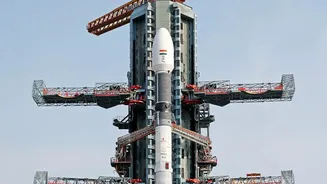
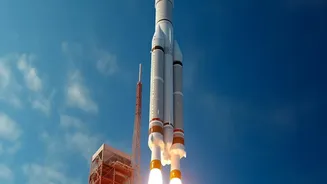
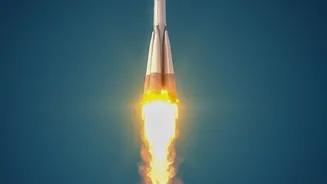
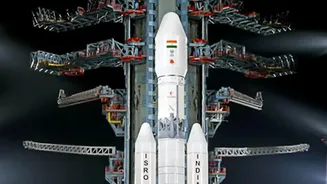
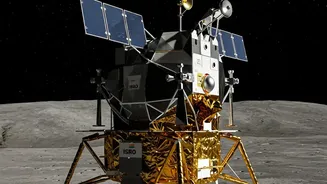
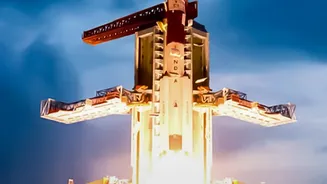
The single biggest driver of this change is the commercialisation of space. Once the exclusive domain of national agencies like ISRO and NASA, the sector is now a hotbed of private enterprise. In India alone, the number of space startups has skyrocketed,
from just a handful in 2020 to over 440 by mid-2026. Companies like Skyroot Aerospace, which launched the nation's first privately developed rocket, Agnikul Cosmos, and Pixxel are not just suppliers to ISRO anymore; they are building entire space businesses. This private-sector boom, fueled by nearly $619 million in investment in India, has created a vibrant new job market. These companies need more than just engineers to design rockets; they need managers, strategists, and finance experts to build sustainable business models and compete in a global market projected to be worth nearly $800 billion by 2027.
The New Space Lawyers and Diplomats
As low-Earth orbit becomes more crowded with satellites and space tourism inches closer to reality, a new set of rules is required. This has created a surge in demand for space lawyers and policy advisors. These professionals don't build hardware, but they tackle critical questions: Who is liable if a commercial satellite collides with another? What are the regulations for private companies mining resources on the Moon? How do we manage the growing problem of orbital debris? Specialists in space law are needed to navigate international treaties, secure launch licenses, and ensure companies comply with complex national and global regulations. Government agencies like the Indian National Space Promotion and Authorisation Centre (IN-SPACe) also employ legal and policy experts to facilitate and regulate the activities of private companies.
Doctors and Psychologists for the Final Frontier
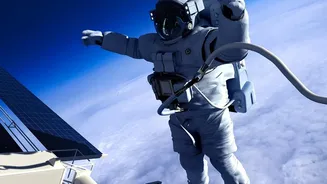
Long-duration space missions, like a trip to Mars, pose significant challenges to the human body and mind. Space medicine is a rapidly growing field focused on keeping astronauts healthy in microgravity. But beyond physical health, there's the critical aspect of mental well-being. Space psychologists study how to manage the effects of isolation, confinement, and high-stress environments. They are instrumental in selecting astronaut candidates, developing training programs, and providing support during missions. As missions get longer and more ambitious, the need for both clinical and research psychologists who can ensure the cognitive and emotional fitness of space crews will only grow.
Storytellers, Marketers, and Communicators
Space is inspiring, but it's also a business that needs to communicate its value. Private space companies are hiring marketing, communications, and public relations professionals to tell their stories to investors, customers, and the public. These roles involve translating complex technical concepts into compelling narratives. Whether it's a social media campaign for a new launch, a pitch deck for investors, or a press release about a successful mission, communicators are essential for building a brand and securing a foothold in the competitive market. Indian startups like Dhruva Space are actively hiring for roles like 'Visual Designer - Photography & Filmmaking' and 'Communicators', proving that creative professionals have a firm place in this technical world.
Data Gurus and Digital Experts
The modern space industry runs on data. Thousands of satellites orbiting Earth generate immense volumes of information used for everything from climate monitoring and agricultural forecasting to urban planning and defence. This has opened up a massive field for satellite data analysts, remote sensing specialists, and GIS experts who can turn raw data into actionable insights. Companies like Pixxel, with its hyperspectral imaging satellites, are built on this premise. Furthermore, every spacecraft and ground system needs robust software and cybersecurity. Aerospace software engineers and cybersecurity analysts are in high demand to protect these critical assets from threats.