



The End of the Checklist Holiday
For years, travel was a performance, measured in neatly ticked-off landmarks and a stunning social media feed to prove it. But a fatigue with this curated reality is setting in. Recent studies and travel reports indicate a clear change in behaviour among
India's Gen Z and millennial travellers. A 2026 Airbnb report highlighted that this generation is increasingly intentional about their journeys, viewing travel as an act of self-expression rather than just exploration. They are trading the pressure of a packed itinerary for the freedom of simply being. Instead of one big annual holiday, many now prefer shorter, more frequent trips that offer a genuine escape. This isn't about seeing the most, but about feeling the most like themselves.
A Search for Authentic Connection
The new travel currency is authenticity. Young Indians are showing a growing desire to engage with local communities, cultures, and ways of life. This means choosing a homestay over a hotel, learning a local craft, or sharing a meal with a host family. The goal is to participate, not just to spectate. This trend is pushing travellers toward destinations that offer unique cultural tapestries, such as the historical confluence of Aurangabad or the distinct traditions of Wayanad in Kerala. According to a recent Agoda report, experience-led travel is a major driver, with a strong preference for culturally immersive journeys. The emphasis has moved from where you go to who you travel with and how deeply you connect with the place.
The Rise of Slow and Mindful Journeys
Paced-out itineraries are quickly replacing frantic, multi-city dashes. The concept of "slow travel"—choosing depth over distance—has gained significant traction. A 2025 index by travel company Thrillophilia noted a 21% rise in slower itineraries, with travellers preferring longer stays in fewer locations. This approach allows for a more meaningful and less stressful experience, letting the destination reveal itself gradually. This shift also aligns with a growing consciousness around sustainability. A Booking.com report found that a vast majority of Indian travellers intend to travel more sustainably, which often means choosing destinations that are not overburdened by mass tourism and making choices that support local economies and environments.
From Tourist Traps to Hidden Gems
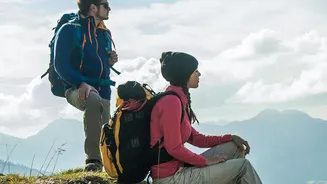
As popular spots become increasingly crowded, a new map of India is being drawn by adventurous young travellers. Offbeat destinations are seeing a surge in popularity. Places like Tirthan Valley and Spiti in Himachal Pradesh, Ziro Valley in Arunachal Pradesh, and the quieter beaches of Gokarna in Karnataka are becoming the new hotspots for those looking to escape the crowds. These locations offer what many now crave: space, peace, and raw, unfiltered nature. The appeal lies in their remoteness and the promise of an experience that feels personal and unique, far from the commercialised tourist circuits. Even treks to places like Chopta in Uttarakhand are chosen for their serene views and straightforward trails.
Wellness as the Ultimate Destination
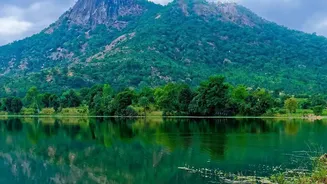
Underpinning this entire movement is a focus on wellness and the desire for a digital detox. For many, a holiday is now an opportunity to disconnect from the relentless pace of digital life and reconnect with themselves. Relaxation is a primary motivator for travel. This can mean a trip centered around yoga and meditation in the mountains of Mukteshwar, a quiet retreat by a lake, or simply having a trip with the planned intention of doing nothing at all. This search for peace of mind has become the new definition of value, prioritised over discounts or destination counts. The journey has turned inward, with the goal of returning not just with photos, but with a renewed sense of well-being.