

The Substitution Struggle Is Real
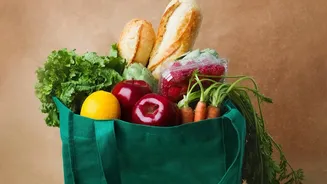
The rise of online grocery shopping has brought convenience, but it has also introduced a new kind of culinary lottery. Nine in ten online shoppers report receiving substitutions, and the results can be baffling. Tales abound of shoppers receiving beef
dog treats instead of steak or, perplexingly, a roasting tin instead of roast potatoes. While these extreme examples are frustrating, a more common and subtle problem arises when we have to make our own swaps. You're at the store, your preferred brand of yoghurt is gone, or they're out of the specific apple variety your recipe calls for. You grab something that seems similar, only to find it ruins the dish. The flavour might be close, but the texture is all wrong, leading to a disappointing meal and wasted ingredients.
Why Texture Is King
Food scientists have a term for this crucial element: mouthfeel. It refers to the physical sensations food creates in your mouth—from its first contact to chewing and swallowing. Mouthfeel encompasses everything from a food's viscosity and temperature to its crispiness, chewiness, or creaminess. This tactile experience is just as important as taste and aroma in our overall perception and enjoyment of food. Our brains are wired to have textural expectations. We anticipate the satisfying snap of a crisp biscuit, the smooth melt of good chocolate, or the tender bite of perfectly cooked meat. When a food's texture doesn't match our expectation—like a soggy chip or a grainy sauce—our brain signals disappointment, even if the flavour is technically correct. In blind tests where foods were pureed, participants could only identify 30 to 40 percent of them by taste alone, proving how much we rely on texture for information.
When Good Swaps Go Bad
Many substitution failures can be traced directly to a texture mismatch. Consider baking: swapping oil with unsweetened applesauce is a popular healthy choice, but it works because applesauce provides a similar moisture and density. However, trying to substitute a firm, waxy potato for a floury one in a mashed potato recipe will result in a gluey, unpleasant mess. The high starch content of a Russet potato is what creates a fluffy mash; a waxy potato just won't break down the same way. Similarly, using a soft apple like a Red Delicious in a pie will leave you with a mushy filling, whereas a firm Granny Smith holds its shape. Another classic error is replacing full-fat sour cream with non-fat yoghurt in a sauce. While Greek yoghurt can be a good substitute due to its thickness, a thin, non-fat version can split when heated and will lack the richness and coating ability that the original recipe intended.
Thinking Like a Food Scientist
To make better substitutions, you need to think about the role the original ingredient plays in the dish. Before you grab a replacement, ask yourself a few key questions. What is its primary textural function? Is it meant to be creamy, crunchy, firm, or soft? Is it providing structure, like breadcrumbs in a meatball, or moisture, like butter in a cake? By evaluating the function of an ingredient, you can make a more informed choice. For example, if a recipe calls for croutons on a salad, the goal is crunch. If you don't have croutons, crunchy nuts or seeds are a far better substitute than, say, soft bread. If you need to replace cream to thicken a soup, pureed cannellini beans can provide a similar creamy body, whereas simply using low-fat milk might make it too thin.
A Guide to Better Swapping
The golden rule of substitutions is to match texture for texture. If you're swapping a creamy ingredient, choose another creamy one. Plain Greek yoghurt is a great substitute for sour cream because it has a similar tangy flavour and thick consistency. Need to replace paneer? Firm tofu or halloumi can offer a similar firm, non-melting quality in curries and stir-fries. When baking, if you run out of brown sugar, you can mix granulated sugar with a bit of molasses to replicate both the flavour and the moist, chewy texture it provides. For breadcrumbs, crushed crackers or even oats can serve as an effective binding agent with a comparable texture. By focusing on mouthfeel first, you move beyond simple flavour matching and start making substitutions that genuinely work, saving your meals from textural disappointment.