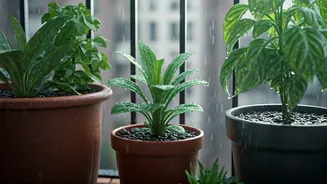



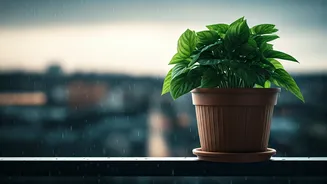
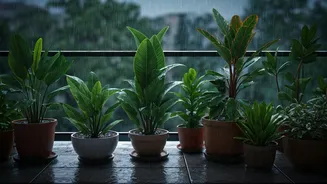


Rethink Your Watering Schedule
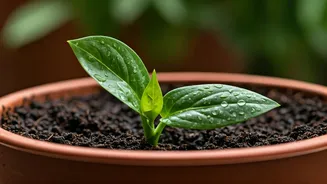
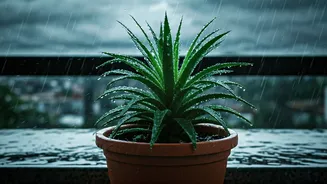
The single biggest danger to indoor plants during the monsoon is overwatering. With high humidity in the air, the soil in your pots will not dry out as quickly as it does in summer. Sticking to your old watering routine can lead to waterlogged soil, which
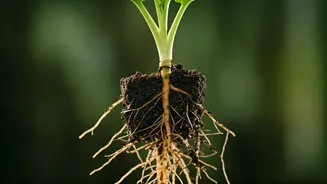
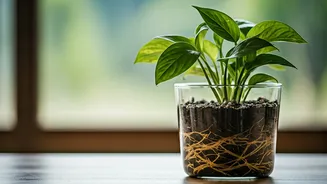
suffocates roots and causes root rot. Before you even think about watering, use the finger test: stick your finger about an inch into the soil. If it feels moist, wait another day or two. Let the top layer of soil dry out completely between waterings to keep your plants healthy.
Ensure Excellent Drainage
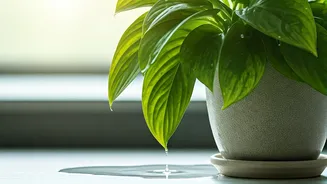
Proper drainage is your best defence against root rot. Check that every pot has functional drainage holes at the bottom. If your pots are sitting in decorative saucers or trays, make sure to empty any collected water immediately after watering. Letting a pot sit in stagnant water is a guaranteed way to cause problems. For better airflow, you can even elevate your pots slightly using bricks or small stands, which prevents the drainage holes from getting blocked. Using porous terracotta pots can also help, as they allow the soil to breathe and dry out faster.
Maximise Available Light
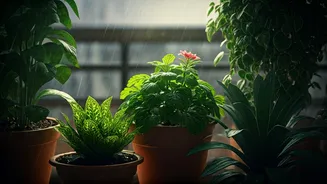
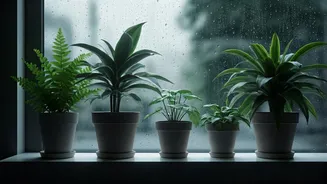
Monsoon skies are often grey and overcast, drastically reducing the amount of sunlight entering your home. Most indoor plants still need bright, indirect light to thrive, and the lack of it can lead to stunted growth. To compensate, move your plants closer to windows, especially those facing east or north, to catch as much gentle light as possible. It is also a good idea to rotate your plants every few days to ensure all sides get some exposure to the light. Wiping dust and grime off both your windows and your plant's leaves can also make a significant difference in how much light the plant can absorb.
Manage Humidity and Prevent Pests
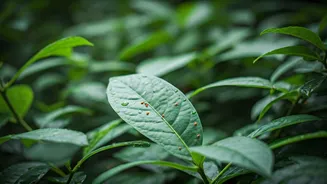
While tropical plants enjoy humidity, the monsoon's damp and warm conditions create a perfect breeding ground for pests and fungal diseases like powdery mildew and mealybugs. High humidity combined with poor air circulation is a major risk factor. Ensure there is good ventilation by spacing your plants out and keeping them in a room with good airflow. Pruning overgrown or dense foliage can also improve circulation around the plant. As a preventive measure, you can spray your plants with a neem oil solution every 10-15 days, which acts as a natural fungicide and pesticide.
Go Easy on the Fertiliser
Many indoor plants enter a period of slower growth or dormancy during the monsoon due to the lower light levels. During this time, they don't require as many nutrients. Fertilising your plants when they are not actively growing can do more harm than good, potentially leading to fertiliser burn in the moist soil. It is best to reduce feeding to once a month or pause it entirely. If you do choose to fertilise, opt for a mild organic option like vermicompost and only apply it when there is a break in the rain and the soil is not overly saturated.
Avoid Repotting and Major Changes
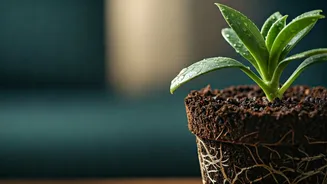
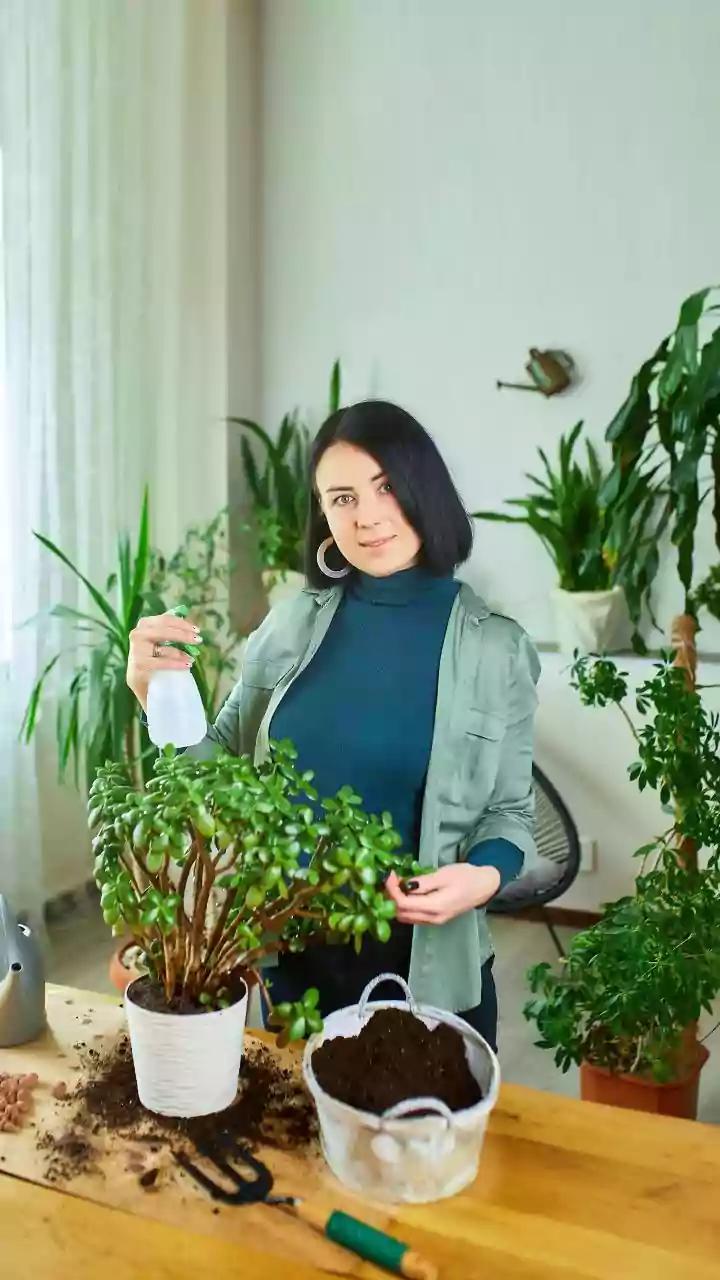
The monsoon is generally not the ideal time to repot your indoor plants. The combination of high humidity and constantly damp soil puts a lot of stress on a plant that is trying to establish new roots. The risk of the new soil becoming compacted or waterlogged is high, which can lead to transplant shock or root rot. Unless absolutely necessary due to disease or a severely root-bound plant, it is better to wait for a drier, sunnier season to undertake major changes like repotting. Let your plants acclimatise to the seasonal shift without the added stress of a new environment.