







Beyond the Sightseeing Checklist
For decades, a trip to Asia was often a whirlwind tour of ticking boxes: the Grand Palace in Bangkok, the Great Wall of China, the Taj Mahal. Today, a significant shift is underway. Travellers, particularly younger generations, are prioritising what they
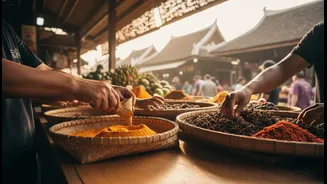
do over where they go. This is the core of 'experience-first' travel, a philosophy that favours immersive, hands-on activities over passive sightseeing. It’s the difference between seeing a temple and participating in a sunset blessing ceremony led by a local expert. This approach is about seeking authentic cultural engagement, personal growth, and creating meaningful memories that last longer than a tan. Recent travel data shows that experiences like culinary tours, wellness retreats, cultural festivals, and outdoor adventures are now the primary motivation for many trips, rather than just being an add-on to an itinerary. This move toward deeper, more engaged travel is reshaping the entire tourism landscape.
New Adventures for Families
Family travel is undergoing a profound transformation. The standard kid-friendly resort holiday is giving way to multi-generational journeys focused on shared learning and connection. Instead of just keeping children entertained, experience-first holidays aim to enrich the entire family. Think of it as a 'schoolcation' where learning happens through doing. In Vietnam, a family might learn traditional lantern-making in Hoi An. In Thailand, they could participate in rice farming or explore mangrove ecosystems with a naturalist guide. These activities are designed to be engaging for all ages, fostering a deeper understanding of local culture and creating strong family bonds. Hotels and tour operators across Asia are responding by developing curated programmes, from Balinese craft workshops to reef conservation projects in the Maldives, that turn a simple holiday into a collective adventure. The goal is no longer just a relaxing break, but a shared story the family can tell for years.
Rethinking Group Getaways
The shift to experiential travel has also redefined group planning. For friends or multi-generational families, the focus moves from simply coordinating logistics to building an itinerary around a shared passion or goal. Instead of finding a destination that pleases everyone, groups are now choosing a central experience and building the trip around it. This might mean travelling for a specific music festival, a yoga retreat, or a multi-day trek. This activity-led approach provides a natural anchor for the trip, giving it a clear purpose that unites the group. It also solves the 'what should we do today?' dilemma by providing a built-in focus. Tour operators report a renaissance in multi-day guided tours because they allow relationships and connections to develop organically over shared activities, something a quick city break rarely achieves. Planning becomes less about compromise and more about collective enthusiasm for a unique, shared journey.
Asia's Emerging Destinations
One of the most exciting consequences of experience-first travel is the spotlight it shines on lesser-known destinations. As travellers seek authenticity and escape the crowds of major hubs, they are venturing to new locales. The desire for unique, local experiences is pushing places like Luang Prabang in Laos, with its tranquil pace and spiritual heritage, to the forefront. Destinations in the Philippines like Siargao or Palawan are gaining traction for offering pristine nature and slow living away from mass tourism. In Cambodia, riverside towns like Kampot offer a glimpse of colonial charm and quiet reflection. Even within popular countries, travel is dispersing. In Japan, tourists are exploring beyond Tokyo and Kyoto, while in China, cities like Chongqing and Harbin are attracting attention for their unique landscapes and festivals. This shift benefits travellers by offering fresh perspectives and helps local economies in areas previously overlooked by the tourism boom.