




The Dawn of the 'Micro-Cation'
Forget saving up all year for a single, long vacation. A new travel pattern is emerging, championed by India's youngest generation of adults. Recent reports show a decisive shift towards 'micro-cations'—short trips lasting anywhere from a weekend to a week.
According to a 2026 Airbnb report, a staggering 87% of Indian Gen Z travellers prefer trips that last under a week. An Agoda survey from the same year found that 72% of this demographic opts for stays of one to seven days. This isn't just a minor adjustment; it’s a fundamental change in how travel is perceived. It's becoming a regular part of life, a quick reset button, rather than a once-a-year grand event.
The Financial Reality Check
One of the most significant drivers of this trend is simple economics. Shorter trips are more budget-friendly. For a generation navigating career beginnings, student loans, and rising living costs, spreading travel expenses across several small trips is more manageable than funding one expensive holiday. A Bank of America survey noted that 30% of Gen Z travellers prefer shorter vacations because they are easier on their wallets. This financial prudence doesn't mean they're not spending on travel; it means they are being strategic. Many are willing to swap luxury stays for budget-friendly options or take shorter trips to make their travel goals a reality within their means. This approach allows them to have multiple experiences throughout the year, satisfying their wanderlust without breaking the bank.
Hustle Culture and the Scarcity of Time
Today’s work environment, characterized by high pressure and blurred work-life boundaries, leaves little room for extended breaks. Annual leave is often a precious and limited resource, frequently spent on family obligations like weddings. For young professionals focused on building their careers, taking two or three weeks off can feel disruptive. Micro-cations offer a practical solution. They can be slotted into long weekends or a few days of remote work, providing a much-needed escape from urban burnout without falling behind professionally. This 'workation' culture, blending work with leisure, is a growing phenomenon, allowing young Indians to explore new places without putting their careers on pause. These quick getaways serve as a vital tool for managing stress and maintaining mental well-being in a demanding work culture.
Travel as Self-Expression
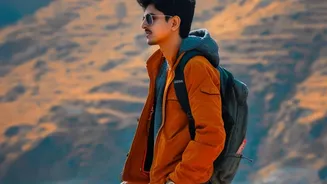
For Gen Z, a holiday is more than just a break; it's an act of self-expression. A recent report highlighted that 87% of young Indian travellers feel that how they travel reflects who they are as a person. They are moving away from pre-planned, tourist-heavy itineraries, with 95% stating it's important their trip feels personal and unique. This has given rise to the 'anti-itinerary' generation, which values spontaneity and authentic experiences over checking off famous landmarks. Many book their trips just days or weeks in advance, embracing a more flexible and impulsive approach to travel. This mindset also extends to companionship; for many, who they travel with—be it a partner or a solo trip—is more important than the destination itself.
The Social Media Influence
The desire for frequent, shareable moments is undeniably shaping this trend. Social media platforms like Instagram and YouTube are the top sources of travel inspiration for Gen Z in India. While a single two-week holiday provides one burst of content, a year filled with multiple weekend trips to diverse, aesthetically pleasing locations offers a continuous stream of experiences to document and share. This isn't just about showing off; it’s about participating in a visual culture where unique stays and undiscovered spots are highly valued. For 43% of this generation, the 'Instagrammability' of a trip is a priority. This has made unique accommodations, from treehouses to farm stays, a destination in themselves.