




The Scent of Rain and Charcoal
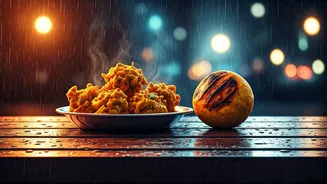
There are few pairings in Indian culinary culture as iconic as the monsoon and bhutta. As the season of relief and renewal washes over the subcontinent, it brings with it a specific sensory palette. The smell of petrichor—rain on dry soil—mingles with the distinct,
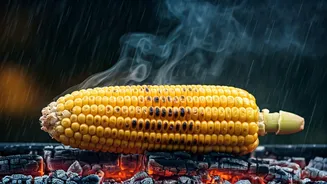
inviting aroma of corn being roasted over hot coals. It’s a scent that signals comfort, a signal that cuts through the damp air and draws you towards the nearest bhutta-wallah, their humble cart a beacon of warmth against the grey backdrop. This isn't just about hunger; it's about answering a seasonal call, a tradition passed down through generations that connects us to the rhythm of nature.
The Theatre of the Street
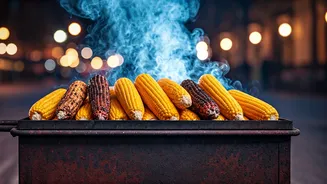
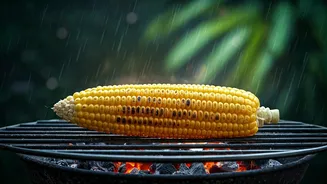
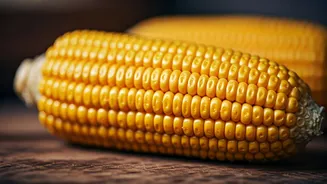
The experience of getting a bhutta is a ritual in itself. It begins with the selection. You point to a plump cob, still nestled in its green husk. The vendor peels it back with practiced ease, revealing rows of pale kernels. Then, the magic starts. Armed with a small, hand-cranked fan, the vendor coaxes the embers in their small grill to glow fiercely. The corn is placed directly on the heat, and you watch as it’s turned slowly, patiently. The kernels hiss and pop, transforming from pale yellow to a beautiful mosaic of charred black and sunny gold. This street-side theatre is an essential part of the appeal—a simple, analogue process in a fast-paced digital world. It’s a moment of connection, a brief, shared experience with the person skillfully preparing your snack.
A Masterclass in Flavour
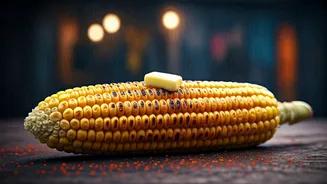
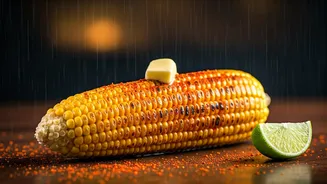
A perfectly roasted bhutta is a testament to the power of simplicity. The flavour profile is a delicate dance. First, there’s the inherent sweetness of the corn, intensified by the heat. This is immediately followed by the smoky bitterness from the charred bits, which adds a complex, grown-up dimension. But the real masterstroke comes last. The vendor takes half a lemon, dips it into a mixture of salt, red chilli powder, and sometimes a hint of chaat masala or black salt, and rubs it vigorously all over the hot cob. The heat helps the corn absorb the seasoning, creating an explosion of taste in every bite: smoky, sweet, salty, spicy, and tangy, all at once. It’s a multi-sensory experience—the warmth of the cob in your hands, the crunch of the kernels, and the unforgettable burst of flavour.
An Affordable, Unifying Joy
In a country of immense diversity, bhutta is a great unifier. It’s a snack enjoyed by everyone, from schoolchildren huddling under a bus stop to office-goers in their cars, stuck in monsoon traffic. Its affordability makes it accessible to all, a simple pleasure that doesn't require a special occasion or a deep pocket. Eating bhutta is often a communal act—sharing a cob with a friend, standing with strangers under an awning to escape a sudden downpour, or enjoying it on a long drive through the lush, rain-washed countryside. It represents a democratic form of joy, a small but significant part of the shared public life that unfolds on India’s streets, especially when the weather forces everyone to slow down.
Desi Corn vs. Sweet Corn
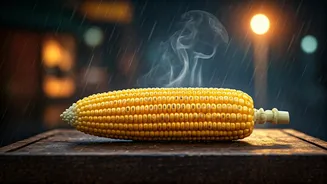
While American sweet corn has become popular, particularly in boiled and steamed preparations, the traditional roasted bhutta is almost always made with desi corn. This variety is less sweet and has a starchier, firmer texture. While that might sound less appealing, these qualities make it perfect for grilling. The lower sugar content means it can withstand the high heat without becoming mushy, allowing it to develop that signature char and smoky flavour. Its firm kernels provide a satisfyingly chewy bite that stands up to the bold flavours of the masala. For the true connoisseur, the hardy, flavourful desi bhutta remains the undisputed king of the monsoon grill.