

The Key Context: Lençóis Maranhenses
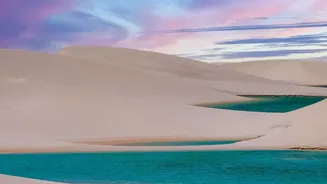
Before diving into Brazil's hidden corners, it's essential to understand the wonder that is Lençóis Maranhenses National Park. This is not a desert. In the first half of the year, seasonal rains fill the valleys between the immense sand dunes, creating
thousands of temporary lagoons. The best time to visit is from May to September, when these pools are at their fullest and most brilliant, offering a surreal landscape of blue, green, and white. Trekking across the soft dunes to swim in a different pristine lagoon at every turn is an experience that sets the bar for natural wonder. It’s this spirit of otherworldly beauty and raw nature that connects it to Brazil's other, lesser-known marvels.
1. Jalapão State Park, Tocantins
If Lençóis Maranhenses is a water-world desert, Jalapão is its golden, grassy cousin. This remote state park in the heart of Brazil's cerrado (savanna) is an adventure hub of rust-coloured sand dunes, powerful waterfalls, and its most unique feature: 'fervedouros'. These are natural springs where underground river pressure is so strong that you can't sink, allowing you to float effortlessly in pools of impossibly clear water. Often described as 'boiling pots', the water is actually cool and refreshing. The region's rugged, unpaved roads mean access is best with a 4x4 and a guide, preserving its off-the-beaten-path feel and ensuring a true expedition into a landscape of stark contrasts.
2. Chapada Diamantina National Park, Bahia
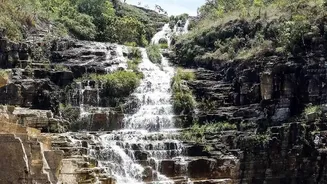
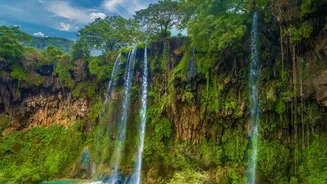
For hikers and explorers, Chapada Diamantina offers a different kind of grandeur. This sprawling national park in Bahia is a world of dramatic tabletop mountains, deep canyons, and some of Brazil's tallest waterfalls. Its centerpiece is the Pati Valley trek, a multi-day hike considered one of the best in South America, where you stay with local families in the valley, disconnected from the modern world. The park is also famous for its mystical caves with startlingly blue underground pools, like Poço Encantado and Poço Azul, where sunlight creates a magical spectacle. Once a diamond-mining region, the park’s charming gateway town, Lençóis, retains its historic character.
3. Alter do Chão, Pará
Often dubbed the 'Caribbean of the Amazon', Alter do Chão defies typical rainforest imagery. Located on the banks of the Tapajós River, this small village becomes a beach paradise during the dry season (August to December). As the river recedes, it reveals stunning white-sand 'praias' (beaches) and the famous Ilha do Amor, a sandy peninsula perfect for relaxing. Unlike the murky waters of the main Amazon River, the Tapajós is clear and blue, perfect for swimming. It offers a unique opportunity to experience the Amazon's scale and biodiversity while enjoying a laid-back beach town vibe, a world away from jungle lodges.
4. Bonito, Mato Grosso do Sul
The name says it all: Bonito means 'beautiful'. This ecotourism capital in southern Brazil is renowned for its crystalline rivers, making it one of the world's best freshwater snorkeling and diving destinations. The incredible visibility is due to the limestone in the ground, which acts as a natural filter. On a float tour down the Rio Sucuri or Rio da Prata, you drift effortlessly with the current, surrounded by colourful fish in what feels like a natural aquarium. The region is a model for sustainable tourism; visitor numbers for all attractions are strictly limited to preserve the pristine environment, so booking tours in advance is essential.
5. Serra da Capivara National Park, Piauí
For a journey back in time, Serra da Capivara offers a different kind of hidden treasure. This UNESCO World Heritage site holds the largest and oldest concentration of prehistoric rock art in the Americas. With over 30,000 documented paintings across hundreds of rock shelters, some art is believed to be over 25,000 years old. These detailed artworks depict ancient rituals, hunting scenes, and the megafauna that once roamed the area. Located in the dry, thorny caatinga of northeastern Brazil, the park is a remote but profoundly rewarding destination for those interested in archaeology and human history, offering a window into a deep past rarely seen with such clarity.