






More Than Just a Habit
In countless Indian kitchens, the act of rinsing pulses is a non-negotiable first step, a piece of wisdom passed down through generations. While it might seem like a simple ritual, it’s grounded in solid culinary and safety principles. Even with modern
processing, this practice remains as relevant as ever. Before they reach your pantry, dried pulses undergo a long journey from the field to the factory to the store. Along the way, they can collect a variety of unwanted passengers. Rinsing is your first line of defence, ensuring that what ends up in your pressure cooker is as clean and pure as possible. Think of it not as a chore, but as the foundation for a delicious and wholesome meal. This quick rinse sets the stage for everything that follows, from the final taste of your dal makhani to the texture of your chana masala.
What Are You Really Rinsing Away?
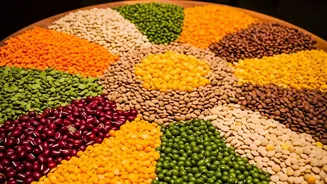
The primary reason for rinsing is to remove physical debris. Despite advanced cleaning processes, it's not uncommon to find small stones, particles of dirt, or field dust in a bag of dried pulses. A thorough rinse and a quick sort through the beans can prevent a gritty bite or, worse, a cracked tooth. Beyond visible debris, you're also washing away excess starches and residues that can accumulate during storage and transportation. This starchy dust can make the cooking water cloudy and gummy, affecting the final consistency of your dish. Some sources also suggest rinsing may help wash away pesticide residues, though modern packaged pulses from reputable brands are generally considered safe. Essentially, that quick swirl under running water is a quality control check that ensures cleanliness and purity.
The Impact on Flavour and Texture
This simple step has a surprisingly significant effect on the final taste and texture of your dish. The dusty coating on unrinsed pulses can impart a slightly earthy or sometimes even bitter taste to the final dish. By washing it away, you allow the true, nutty flavour of the pulse to shine through. Furthermore, rinsing helps achieve a cleaner cooking liquid. The excess starch and proteins on the surface of unrinsed pulses can create a significant amount of foam or scum when boiled. While this is harmless, it can be unsightly and can boil over, creating a mess. Rinsing reduces this foaming, leading to a clearer broth in soups and a more appealing appearance in dishes where the liquid is a key component. This is particularly noticeable in lighter dals where a clean, vibrant colour is desired.
A Simple How-To Guide
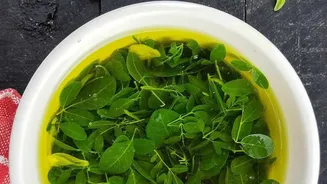
Properly rinsing pulses is straightforward but doing it effectively makes a difference. First, it's wise to sort the pulses by spreading them on a light-coloured plate or tray to easily spot and remove any small stones or discoloured beans. Once sorted, place the pulses in a fine-mesh strainer or a large bowl. If using a strainer, hold it under cold, running water, using your hands to move the pulses around to ensure they all get washed. Continue until the water running through them is clear, not cloudy or milky. If using a bowl, cover the pulses with plenty of cold water, swirl them vigorously with your hand, and then carefully pour off the murky water. Repeat this process three or four times, or until the water remains clear.
Rinsing vs. Soaking: What's the Difference?
It's important not to confuse rinsing with soaking, as they serve different purposes. Rinsing is the mandatory cleaning step. Soaking is the subsequent, and often recommended, step of rehydrating the pulses in water for several hours or overnight. While smaller pulses like lentils and split peas don't typically require soaking, larger beans like chickpeas and kidney beans benefit greatly from it. Soaking significantly reduces cooking time, which saves energy. More importantly, it helps to break down complex sugars (oligosaccharides) that can cause gas and bloating, making the pulses easier to digest. Soaking also helps to reduce levels of anti-nutrients like phytic acid and lectins, which can interfere with mineral absorption. The best practice is to always rinse your pulses first, and then proceed to soak them if the recipe or type of pulse calls for it.