




The New Travel Blueprint
The traditional travel hierarchy is being flipped on its head. Instead of choosing a city or country and then searching for lodging, modern travellers are increasingly selecting a unique place to stay first and building their entire itinerary around it.
This is the essence of a 'stay-led' holiday. The accommodation is no longer just a base for exploration; it is the destination. This trend is fuelled by a desire for more than just a place to sleep. Travellers are seeking immersive environments, architectural beauty, and unique experiences that a standard hotel room often cannot provide.
From a Bed to an Experience
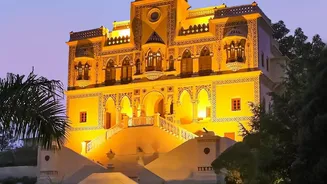
So, what's driving this change? The answer lies in the broader shift toward experiential travel, a trend particularly strong among millennial and Gen Z tourists. These travellers prioritise memorable experiences and personal growth over simply ticking landmarks off a list. A one-of-a-kind stay—be it a restored heritage haveli in Rajasthan, a glass igloo under the Northern Lights, or a minimalist cabin in the woods—offers a distinct narrative and a deeper connection to the place. Social media also plays a significant role, with visually stunning and unique properties becoming viral sensations that people want to experience for themselves.
The Rise of Destination Stays
The properties leading this trend are as diverse as the travellers they attract. Boutique hotels, known for their personalised service and unique design, have been at the forefront of this movement. They often incorporate local culture into their very fabric, offering an authentic taste of the region. In India, this trend is visible in the popularity of heritage properties, palace hotels, and eco-lodges that offer more than just luxury; they offer a story. Beyond hotels, the market for alternative accommodations like private villas, architect-designed homes, and even 'salvaged stays' in converted structures like old schools or train stations is booming. These places provide privacy, character, and a sense of discovery that many now crave.
How to Plan Your Stay-First Trip
Embracing this trend requires a new approach to planning. Start by browsing platforms and publications that specialise in unique stays. Think beyond conventional booking sites. Look for curated collections on platforms like Unique Homestays or the boutique sections of major travel sites. Once you find a property that excites you, research the surrounding area. What local activities does the host recommend? What hidden gems are nearby? A stay-led trip encourages slower, more mindful travel. Instead of a packed itinerary, you might spend your days enjoying the property's amenities, exploring the immediate locale, and immersing yourself in the destination's rhythm.
Is This the Future of Travel?
While traditional destination-led travel will always have its place—a trip to see the Taj Mahal will always be about the Taj Mahal—the stay-led approach is more than a fleeting trend. It represents a fundamental change in traveller priorities, where the quality and uniqueness of the experience are paramount. As more travellers seek to escape the generic and connect with places in a more meaningful way, the focus will continue to shift from 'where you go' to 'where you stay'. This evolution is pushing the hospitality industry to be more creative, sustainable, and culturally aware, which is a win for everyone.