




Embrace Multi-Functional Furniture
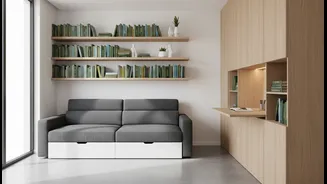
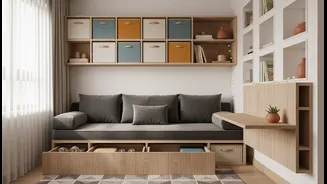
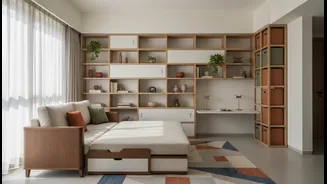
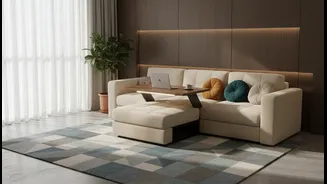
In a compact flat, every piece of furniture needs to earn its keep. The era of single-use items is over; the future is about furniture that works overtime. Think of a sofa that seamlessly transforms into a bed for guests, a practice essential for the culture
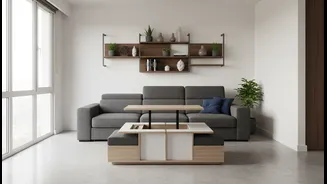
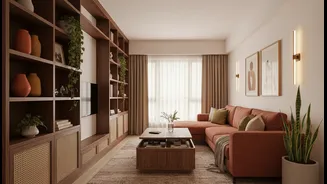
of hosting in India. Consider an ottoman that not only serves as a footrest or extra seating but also lifts to reveal hidden storage for blankets, magazines, or children's toys. Even dining tables can be smarter; foldable or extendable designs can stay compact for daily use and expand to accommodate family meals, freeing up precious floor space when not in use. These pieces don’t just save space; they add a layer of functionality that makes daily life smoother.
Think Vertically, Not Just Horizontally
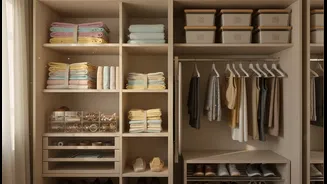
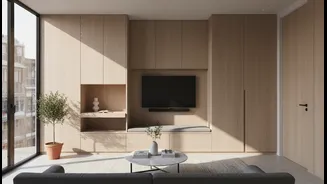
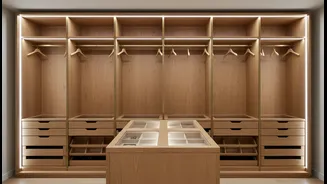
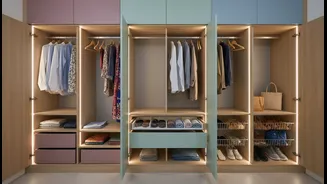
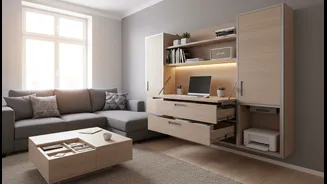
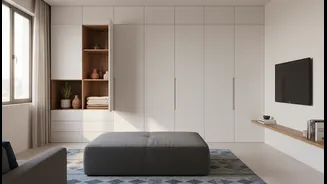
When floor space is limited, the only way to go is up. Walls are often the most under-utilised asset in Indian homes. Instead of bulky, floor-standing units, opt for wall-mounted shelves and cabinets. Floor-to-ceiling wardrobes, for instance, can increase storage capacity by using the often-wasted space near the ceiling, perfect for stowing away luggage or seasonal bedding. Floating shelves above doorways or sofas can create display areas for books and decor without occupying a single inch of the floor. This vertical approach draws the eye upward, creating an illusion of height and making the entire room feel more open and less cluttered.
Master the Art of Illusion
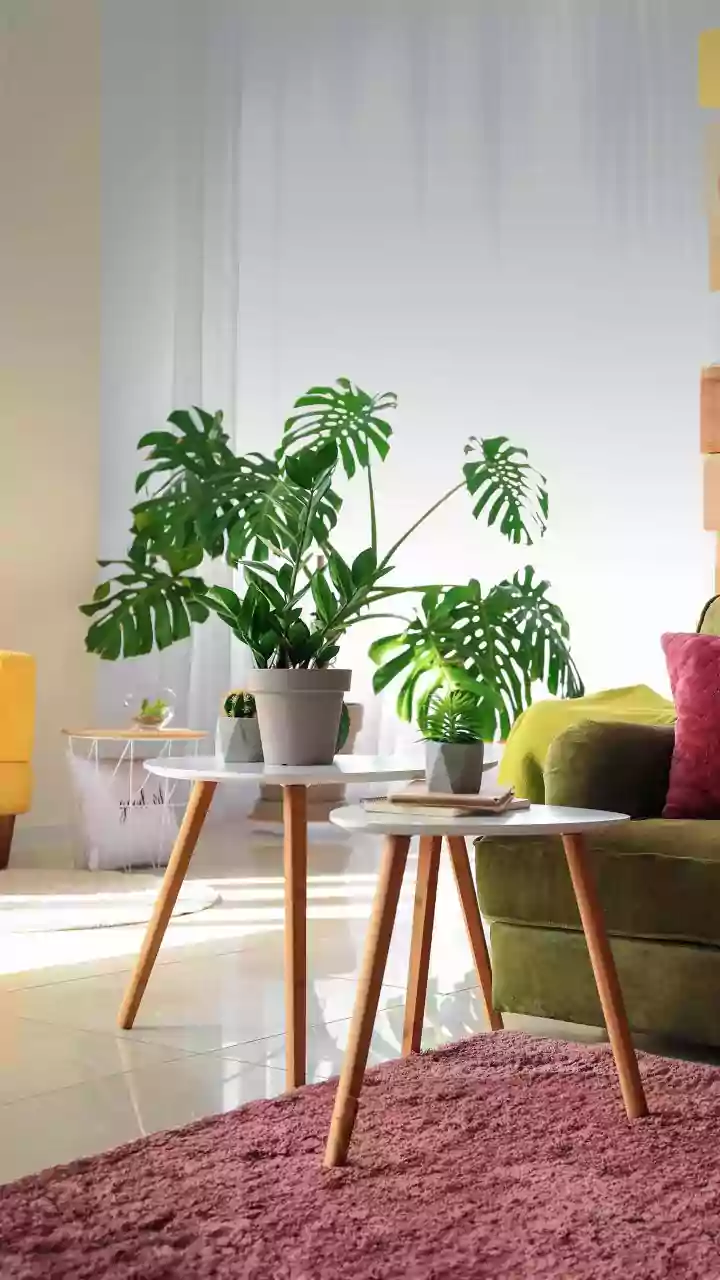
Creating a sense of space is as much about perception as it is about physical reality. The right design choices can trick the eye into seeing a larger room. Light colours like off-white, beige, and soft pastels are your best friends; they reflect light and make a space feel brighter and more expansive. Mirrors are another powerful tool. A large mirror placed opposite a window can double the amount of natural light and create a profound sense of depth. Similarly, furniture with raised legs—like a sofa or console table—allows you to see the floor underneath, which prevents the room from feeling heavy and blocked. Even sheer curtains that let in maximum daylight can make a significant difference compared to heavy, dark drapes.
Rethink Your Busiest Zones: Kitchens and Bedrooms
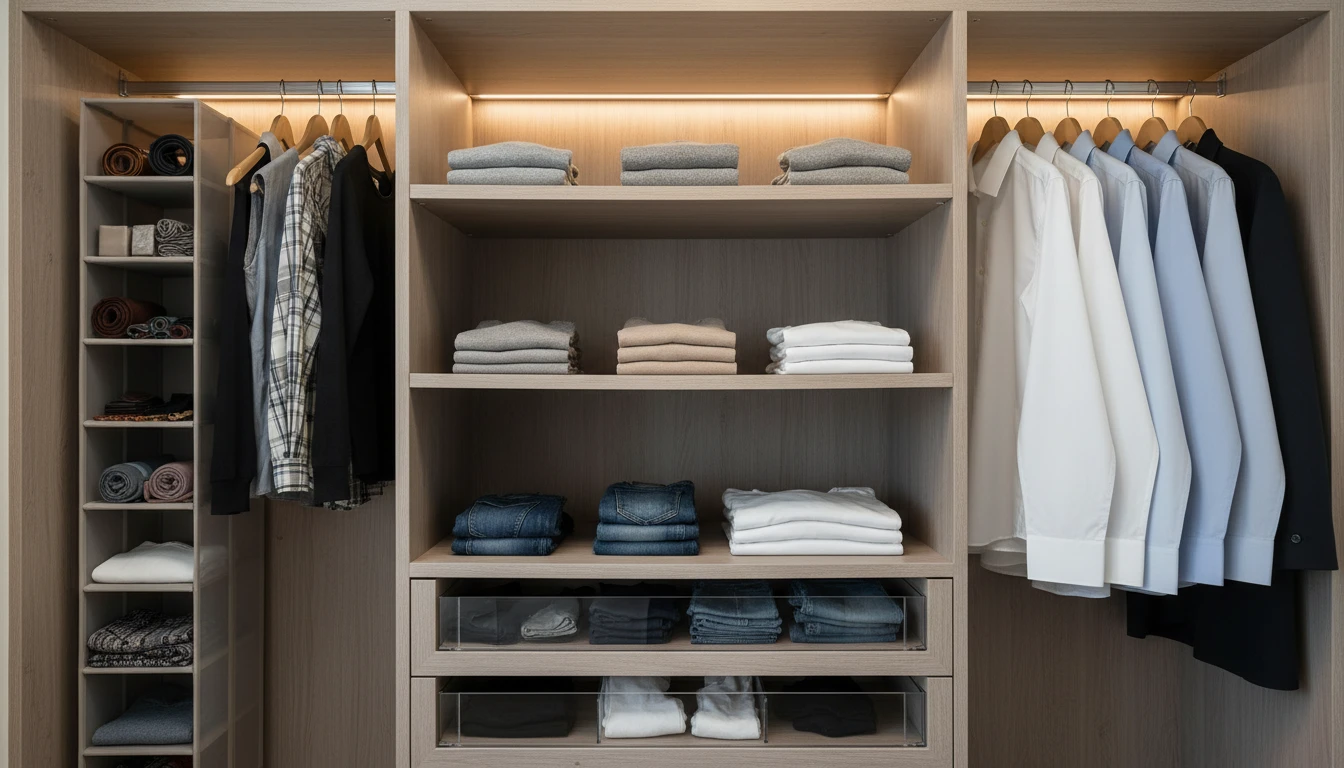
The bedroom and kitchen are often the epicentres of clutter. In the bedroom, the bed itself offers a huge opportunity for storage. Hydraulic beds that lift to reveal a large compartment are perfect for storing items you don't need daily, effectively replacing the need for an extra cupboard. In the kitchen, open shelving can make the space feel airier than closed cabinets, though it requires discipline to keep neat. Modular wardrobes with sliding doors are a game-changer in small bedrooms, as they don't require clearance space for doors to swing open. Smart internal organisers for drawers and cupboards can also dramatically increase the efficiency of the storage you already have.
Adopt a 'Less is More' Mindset
Ultimately, the most effective storage solution is owning less stuff. A minimalist approach doesn't mean living in an empty, sterile environment; it means being intentional about what you bring into your home. Before buying a new piece of furniture or decor, ask yourself if it serves a purpose or if you truly love it. A clutter-free environment has been shown to reduce stress and improve quality of life. Avoid covering walls with too many frames or textures, as this can make a room feel busy and small. By focusing on a few well-chosen, high-impact items, you give your space room to breathe, making it feel calmer and more organised.