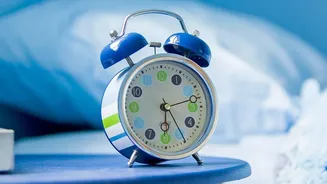






The Modern Sleep Dilemma
In our always-on world, the line between work and rest has blurred. Many of us unwind from a stressful day by diving into our devices—binge-watching a new series, catching up on social media, or getting lost in a sea of articles. This often leads to what
experts call 'sleep debt,' the cumulative effect of not getting the seven to nine hours of sleep most adults need. The common solution seems simple: sleep more on Saturday and Sunday. While this can temporarily make you feel more alert and improve your mood, research reveals a more complex and concerning reality, especially when late-night screen use is the primary cause of your sleep loss.
More Than Just Lost Hours
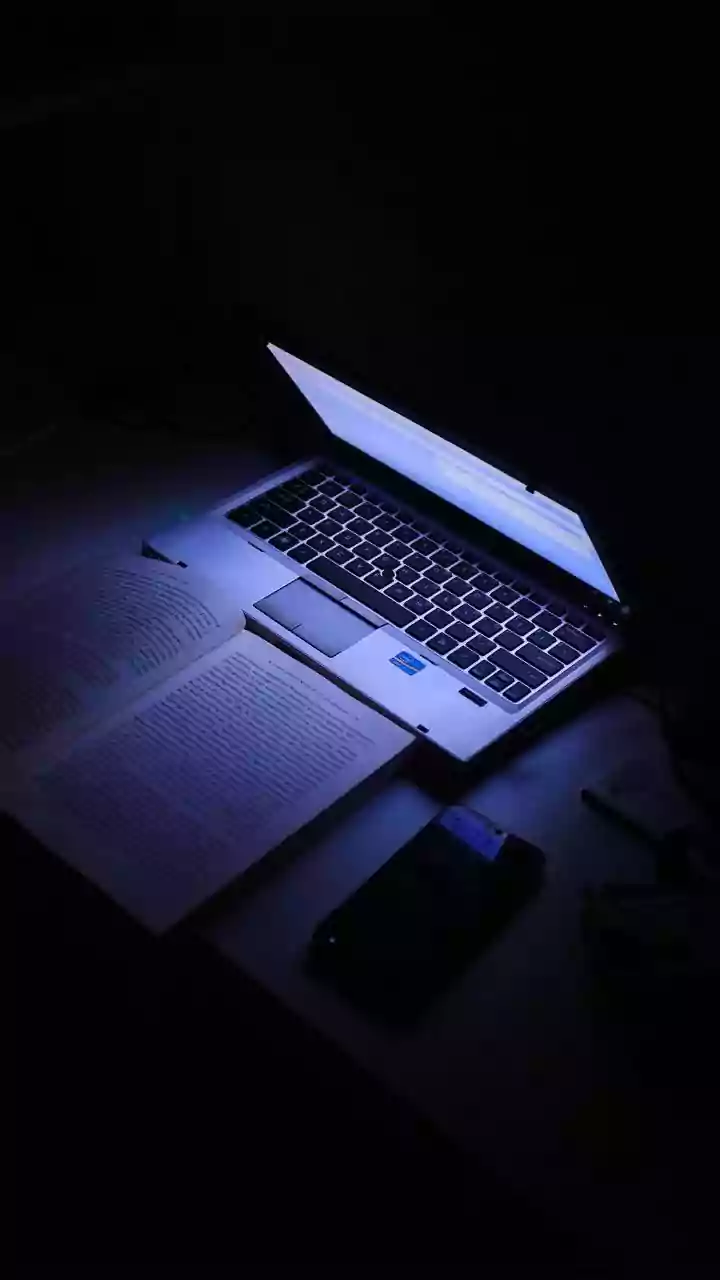
The problem with late-night screen time isn't just that it keeps you awake longer. The blue light emitted by our phones, tablets, and laptops sends a powerful signal to our brains. This specific wavelength of light mimics daylight, tricking your body into thinking it's still daytime. As a result, it suppresses the production of melatonin, the crucial hormone that tells your body it's time to wind down and sleep. This not only makes it harder to fall asleep but also disrupts the quality of the sleep you do get, often reducing restorative REM sleep. The issue, therefore, isn't just a simple deficit of hours; it's a fundamental disruption of your body's internal clock, or circadian rhythm.
Why Weekend Sleep-Ins Fall Short
Sleeping in might help you feel less tired, but it doesn't fully reverse the underlying biological disruption. Think of it like social jetlag: you’re forcing your body to live in a different time zone for two days a week. This inconsistency can confuse your internal clock even further, making it harder to wake up on Monday morning and get back into a routine. Studies show that while weekend recovery sleep can help with short-term fatigue, it fails to correct deeper metabolic issues. For instance, insulin sensitivity, which is often impaired by a week of poor sleep, shows only minimal improvement after a weekend lie-in. The hormonal and metabolic changes caused by mistimed light exposure and irregular sleep schedules tend to persist, even after you feel rested.
The Lingering Effects of 'Social Jetlag'
This chronic misalignment between your social schedule and your body's internal clock is linked to a host of negative health outcomes. Research connects significant social jetlag with a higher risk of metabolic disorders, heart disease, and even mental health conditions like depression. Even if you repay the hours of lost sleep, the underlying stress on your system from an irregular schedule remains. Your body craves consistency. When it doesn’t get it, functions from appetite regulation to hormone release can be thrown off balance, which can contribute to long-term health problems. The feeling of being rested after a long sleep might mask the fact that your body's internal systems are still struggling to find their rhythm.
A Smarter Strategy for Real Recovery
The key to managing sleep debt isn't a weekend binge-sleep session but rather a consistent and preventative approach. The goal is to minimise the debt in the first place. Instead of relying on a dramatic weekend reset, focus on improving your sleep hygiene throughout the week. One of the most effective strategies is to create a 'digital sunset.' This means setting a firm cut-off time for screen use at least 30 to 60 minutes before bed. This gives your brain the time it needs to register darkness and begin producing melatonin naturally. You can also use your device's 'night mode' settings to reduce blue light emission in the evening. Going to bed and waking up at roughly the same time, even on weekends, is the gold standard for regulating your circadian rhythm and improving overall sleep quality.