








What Is Chrononutrition?
Chrononutrition is a field of science that studies the relationship between when you eat and your body's circadian rhythms. These are the 24-hour internal clocks that regulate everything from your sleep-wake cycle to hormone release and, crucially, digestion.
The core idea is that our bodies are primed to do different things at different times of the day. By aligning our eating patterns with this natural rhythm, we can help our metabolic processes function more effectively. It's not about a specific diet like keto or paleo, but rather a framework for timing your food intake to work with your biology, not against it.
The Body's Internal Clock and Digestion
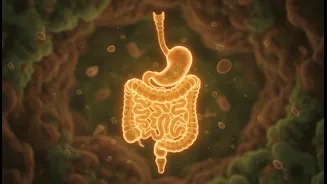
Every organ in your digestive system, from your stomach to your liver and intestines, has its own internal clock. These 'peripheral clocks' are synchronized by the 'master clock' in your brain, which is mainly influenced by light. This internal timing system prepares your gut for anticipated events, like a meal. During the day, when we are most active, our digestive system is at its peak efficiency. It produces more of the necessary enzymes and acids to break down food and absorb nutrients. Insulin sensitivity, your body's ability to use glucose from carbohydrates, is also highest in the morning and early part of the day, declining as evening approaches.
The Power of a Heavy Midday Lunch
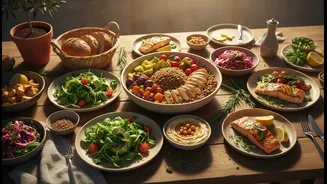
This brings us to the importance of the midday meal. According to chrononutrition principles, eating your largest meal at lunch aligns perfectly with your body's peak digestive capabilities. When your metabolism is running high and your body is most sensitive to insulin, it can process a large, nutrient-dense meal more efficiently. This can lead to better energy levels throughout the afternoon, avoiding the dreaded post-lunch slump that often follows a carb-heavy, poorly timed meal. Studies have shown that people who consume their main meal earlier in the day tend to have more success with weight management compared to those who eat their largest meal in the evening, even when total calories are the same. This is because the calories consumed are more likely to be used for energy rather than stored as fat.
Why Late, Heavy Dinners Disrupt Digestion
Conversely, consuming a large meal late at night works against your body's natural rhythm. As the day winds down, your digestive system also begins to slow down in preparation for sleep. Eating a heavy dinner means your gut has to work overtime when it should be resting and repairing. This can lead to digestive discomfort like bloating and acid reflux, and may also impair sleep quality. Because insulin sensitivity is lower in the evening, your body is less efficient at managing blood sugar, and calories consumed late at night are more likely to be stored as fat. This misalignment, sometimes called 'chrono-disruption', has been linked to an increased risk of metabolic issues over time.
Making the Shift: Practical Tips
Adopting a chrononutrition approach doesn't mean you have to drastically change what you eat, but rather when. Think of it as front-loading your day with energy. Aim to make lunch your most substantial meal, rich in protein, complex carbohydrates, and healthy fats to keep you full and energized. For dinner, opt for lighter fare that is easier to digest, such as soups, salads, or smaller portions of lean protein and vegetables. It is also important to maintain consistent meal times from day to day, as this helps to stabilize your body's internal clocks. The goal isn't to be restrictive, but to be more in tune with your body’s natural rhythm for improved digestion and overall health.