



A staple in Indian kitchens, urad dal is a powerhouse of nutrition and flavour. This versatile lentil, also known as black gram, provides a creamy base for countless dishes. Here's how to transform it into a comforting, spiced curry.
The All-Important Lentil
Urad dal, or black
gram, is an integral part of Indian cuisine, celebrated for its earthy taste and versatility. You can find it in several forms: whole (sabut urad), which retains its black skin; split with the skin on (chilka urad); and split and skinned (urad dal), which is pale white. For this hearty curry, often called 'Maa ki Dal' or 'Kali Dal', we use the whole black gram. This variety lends the dish its characteristic dark colour, creamy texture, and rich flavour profile after slow cooking. While it requires a bit more preparation, primarily soaking, the delicious result is well worth the effort.
A Nutritional Powerhouse
Beyond its comforting taste, urad dal is packed with health benefits. It is an excellent source of plant-based protein, essential for muscle repair and growth. It's also rich in dietary fibre, which aids digestion and promotes gut health. This humble lentil is a good source of vital minerals like iron, potassium, and magnesium. These nutrients contribute to better energy levels, support heart health by helping to manage cholesterol and blood pressure, and strengthen bones. Its low glycemic index makes it a suitable choice for those managing blood sugar levels.
Ingredients For Your Dal
For the Dal:
- 1 cup whole urad dal (sabut urad), soaked
- 4 cups water, for cooking
- 1 medium onion, finely chopped
- 2 medium tomatoes, pureed or finely chopped
- 1-2 green chillies, slit
- 1 teaspoon ginger-garlic paste
- ½ teaspoon turmeric powder
- Salt to taste
For the Tempering (Tadka):
- 2 tablespoons ghee or oil
- 1 teaspoon cumin seeds (jeera)
- A pinch of asafoetida (hing)
- 1-2 dried red chillies
- ½ teaspoon red chilli powder (adjust to taste)
- ¼ teaspoon garam masala
- Fresh coriander leaves, for garnish
Step-by-Step Cooking Guide
1. First, prepare the lentils. Rinse the whole urad dal thoroughly under running water. Soak it in ample water for at least 6–8 hours, or preferably overnight. This step is crucial for even cooking and digestibility. After soaking, drain the water.
2. In a pressure cooker, add the soaked dal, 4 cups of fresh water, turmeric powder, and salt. Some recipes also add half of the chopped onion and tomatoes at this stage to build a flavour base.
3. Pressure cook on medium heat for 4–5 whistles, then reduce the heat and simmer for about 15–20 minutes. The dal should be completely soft and mushy when done. Allow the pressure to release naturally. Once opened, gently mash some of the lentils with the back of a spoon to create a creamier consistency.
4. While the dal cooks, prepare the masala. Heat 1 tablespoon of ghee or oil in a pan. Add the cumin seeds and asafoetida. Once they splutter, add the finely chopped onion and sauté until golden brown.
5. Add the ginger–garlic paste and slit green chillies, and cook for another minute until the raw aroma disappears. Then, add the tomato puree and cook until the oil begins to separate from the masala. Add the coriander powder and red chilli powder, stirring for a few seconds.
6. Pour this prepared masala into the cooked dal. Mix everything well and let it simmer on low heat for at least 10–15 minutes, allowing the flavours to meld together beautifully. Add more water if the dal becomes too thick.
The Finishing Touch
The final tempering, or 'tadka', is what elevates this dish. In a small pan, heat the remaining tablespoon of ghee. Add the dried red chillies and a final pinch of cumin seeds if desired. Once they sizzle, turn off the heat and stir in the garam masala and a dash of red chilli powder. Immediately pour this sizzling mixture over the simmering dal. Stir it in, garnish generously with fresh, chopped coriander leaves, and serve hot. For an even richer flavour, a spoonful of butter or fresh cream can be stirred in at the end.
How to Serve
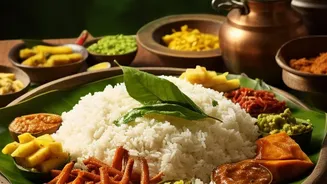
This spiced urad dal curry is incredibly versatile. It pairs perfectly with fluffy basmati rice, creating a classic and wholesome meal. Jeera rice (cumin–flavoured rice) is another excellent companion that complements the earthy flavours of the dal. Alternatively, serve it with Indian breads like roti, chapati, or naan for scooping up every last delicious bite. A simple side salad of sliced onions, cucumber, and a wedge of lemon completes the experience, adding a fresh, crisp contrast to the rich and creamy curry.